AI-Driven Network Pharmacology: Revolutionizing Natural Product Discovery through Multi-Scale Systems Analysis
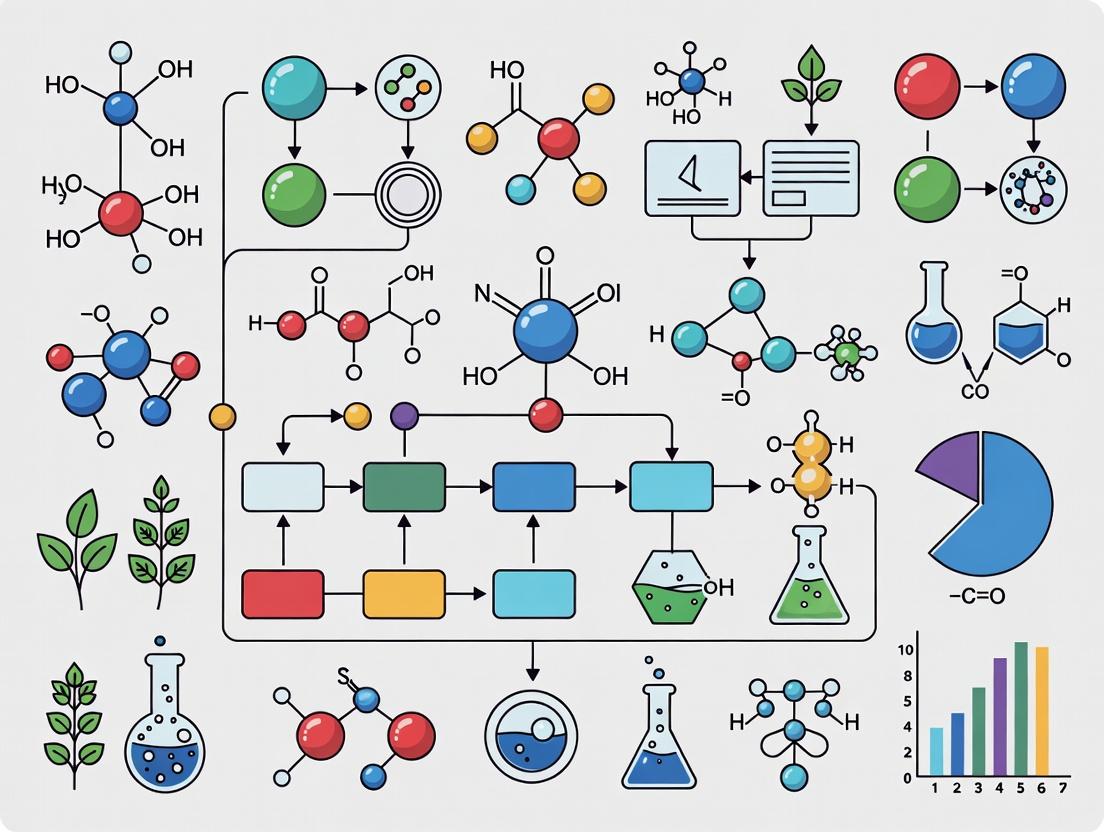
This article synthesizes the transformative convergence of artificial intelligence (AI) and network pharmacology (NP) in natural product research, a field critical for researchers and drug development professionals.
AI-Driven Network Pharmacology: Revolutionizing Natural Product Discovery through Multi-Scale Systems Analysis
Abstract
This article synthesizes the transformative convergence of artificial intelligence (AI) and network pharmacology (NP) in natural product research, a field critical for researchers and drug development professionals. It explores the foundational shift from a reductionist 'one-drug-one-target' model to a holistic 'network-target-multi-component' paradigm, which aligns perfectly with the polypharmacology of plant-based medicines. The core of the discussion details the methodological workflow—from multi-source data integration using AI to predictive target identification and virtual screening—showcasing concrete applications in areas like oncology and depression. The article critically addresses persistent challenges, including data quality, reproducibility, and model interpretability, offering insights into optimization strategies and validation frameworks. Finally, it evaluates the comparative advantages of AI-enhanced NP over traditional methods and outlines a forward-looking roadmap for clinical translation and sustainable drug discovery, aiming to bridge empirical traditional knowledge with mechanism-driven precision medicine.
From Single Targets to System Networks: The Foundational Shift Powering Natural Product Research
The Limitation of the 'One-Drug-One-Target' Paradigm for Complex Natural Products
Abstract The historical ‘one-drug-one-target’ paradigm, while successful for monogenic diseases, demonstrates fundamental limitations in addressing complex, multifactorial diseases such as cancer, neurodegenerative disorders, and metabolic syndromes. This reductionist approach often fails due to network resilience, compensatory biological pathways, and the onset of drug resistance [1]. In contrast, complex natural products, with their inherent structural diversity and polypharmacology, are ideally suited for multi-target engagement. This whitepaper details the scientific limitations of the single-target model, articulates the theoretical and practical advantages of a network pharmacology framework, and provides a technical guide for integrating artificial intelligence (AI) and advanced experimental methodologies to elucidate and harness the multi-target mechanisms of natural products for next-generation drug discovery [2] [3].
The Scientific and Clinical Limitations of Single-Target Pharmacology
The traditional drug discovery pipeline has been predominantly guided by the ‘one-drug-one-target’ dogma, aiming for high-affinity, high-selectivity ligands [1]. This paradigm is pharmacologically rooted in the lock-and-key model, where a drug (key) is designed to fit a specific protein target (lock) [4]. While effective for diseases driven by a single gene or protein defect, this model exhibits critical failures when applied to complex pathophysiological states.
1.1 Network Resilience and Compensatory Mechanisms Biological systems are highly interconnected and robust networks, not simple linear pathways. Diseases like Alzheimer's, Parkinson's, and major cancers arise from the dysregulation of complex molecular networks involving genetic, proteomic, and metabolic interactions [5] [6]. Targeting a single node within such a resilient network often triggers adaptive bypass mechanisms or activation of alternative pathways, leading to insufficient therapeutic efficacy [1] [4]. This systems-level resilience explains the high attrition rate of single-target drugs in late-stage clinical trials for complex diseases.
1.2 Inevitability of Drug Resistance Drug resistance, a major challenge in oncology and antimicrobial therapy, is accelerated by the single-target approach. A selective therapeutic pressure on one target enables rapid selection for pre-existing or de novo mutations in the target protein, rendering the drug ineffective. Simultaneously targeting multiple nodes in a disease network presents a higher barrier to resistance, as a pathogen or cancer cell must concurrently evolve mutations across multiple essential targets to survive [4].
1.3 The Off-Target Toxicity Paradox Counterintuitively, the pursuit of exclusive selectivity can exacerbate safety issues. When a single target is ubiquitously expressed or shares critical functions in healthy tissues, its inhibition can lead to mechanism-based toxicities. Conversely, a natural product engaging several targets with moderate affinity may distribute its pharmacological effect across a network, potentially achieving a desired therapeutic outcome with a more tolerable side-effect profile through a “network buffering” effect [2].
Table 1: Quantitative Limitations of the Single-Target Paradigm in Complex Diseases
| Disease Category | Example Diseases | Key Limitation of Single-Target Approach | Clinical Consequence |
|---|---|---|---|
| Neurodegenerative | Alzheimer's, Parkinson's, ALS | Multiple parallel pathogenic pathways (e.g., protein aggregation, inflammation, oxidative stress) [6]. | Dozens of late-stage trial failures; symptomatic treatments only. |
| Oncological | Solid tumors, Hematologic cancers | Tumor heterogeneity, adaptive signaling, and immune evasion [1]. | High frequency of acquired resistance to kinase inhibitors and monoclonal antibodies. |
| Metabolic | Type 2 Diabetes, NAFLD | Systemic dysregulation of hormonal, metabolic, and inflammatory networks [1]. | Inability to halt disease progression with single-hormone therapies. |
| Infectious Disease | Malaria, Tuberculosis, HIV | High mutation rate of pathogens [4]. | Rapid emergence of multi-drug resistant (MDR) strains. |
Natural Products as Inherent Multi-Target Therapeutics
Natural products (NPs) are evolutionary-optimized chemical entities that interact with biological systems. Over half of all approved small-molecule drugs are derived from or inspired by natural products [1]. Their utility stems from intrinsic properties that align with network pharmacology principles.
2.1 Chemical Diversity and Polypharmacology NPs possess unparalleled scaffold diversity and structural complexity, often containing multiple chiral centers and functional groups. This enables them to interact with multiple biological targets—a property termed polypharmacology [2] [7]. A classic example is the antidepressant and analgesic natural product, resveratrol, which is reported to modulate sirtuins, NF-κB, cyclooxygenases, and antioxidant response elements [1].
2.2 Synergistic Actions in Complex Mixtures Traditional herbal medicines, such as Traditional Chinese Medicine (TCM) formulas, are prototypical multi-component, multi-target therapies. Formulas like Sini Decoction (for heart failure) contain multiple active ingredients (e.g., alkaloids, flavones) that collectively modulate a network of targets related to inflammation, apoptosis, and oxidative stress, demonstrating effects greater than the sum of their parts [2] [8]. This synergistic complexity is poorly captured by isolating single constituents.
2.3 The "Functional Structure" and Conformational Flexibility A key mechanistic insight is the concept of a "functional structure"—the three-dimensional conformation a natural product adopts when bound to a specific biomolecular target or membrane environment [7]. Flexible NP scaffolds can adopt distinct conformations to engage different targets, acting as a "skeleton key" [4]. Techniques like solid-state NMR and computational modeling are essential to elucidate these dynamic, environment-dependent conformations, moving beyond static structural depictions [7].
A Network Pharmacology & AI Framework for NP Research
Network pharmacology provides the conceptual and computational framework to transition from "one-target" to "network-target" therapeutics [2]. Artificial Intelligence accelerates every step of this pipeline, from prediction to validation [3] [9].
3.1 The Core Workflow: From NP to Network The systematic investigation of a multi-target NP involves a cyclical, integrative workflow.
Diagram 1: Integrative Network Pharmacology & AI Workflow for NP Research.
3.2 Critical AI and Computational Methodologies
- Target Identification & Network Construction: AI models, including graph neural networks and large language models, mine literature and databases to predict NP-target interactions [3]. Tools like the RosettaVS platform enable ultra-large-scale virtual screening of billions of compounds against single or multiple protein structures, accounting for critical receptor flexibility [9]. Network analysis software (e.g., Cytoscape) integrates these predictions to map compound-target-pathway-disease networks [8].
- Synergy Prediction & Mechanism Inference: Machine learning algorithms analyze high-throughput screening data to predict synergistic or antagonistic interactions between multiple NP components. Network proximity analysis compares the network location of drug targets versus disease-associated genes to infer therapeutic potential and mechanistic insights [5] [3].
- Integrative Multi-Omics Gating: AI acts as an "operational gate" by integrating transcriptomic, proteomic, and metabolomic signatures. A promising NP candidate should reverse a disease-associated gene signature (e.g., from patient-derived cells), show engagement with predicted protein targets in proteomic assays, and induce a corresponding shift in the metabolomic profile [3].
3.3 Experimental Validation in Physiologically Relevant Models Predictions must be anchored in rigorous experiment. The choice of model system is paramount.
- Phenotypic Screening (PDD): There is a renaissance in phenotypic drug discovery for complex diseases. High-content screening (HCS) in human induced pluripotent stem cell (iPSC)-derived neurons or cardiomyocytes can capture complex disease phenotypes (e.g., protein aggregation, neurite outgrowth, rhythmic beating) and identify multi-target modulators without a priori target bias [6].
- Target Deconvolution: Following a phenotypic hit, target identification is performed. Techniques include cellular thermal shift assay (CETSA), drug affinity responsive target stability (DARTS), and phosphoproteomics to identify engaged proteins and downstream signaling effects [7].
- Functional Structure Elucidation: As noted, understanding the functional structure of NPs is critical. Solid-state NMR can determine the conformation of flexible NPs within lipid bilayers, while X-ray crystallography and cryo-EM provide atomic details of NP-protein complexes [7].
Table 2: The Scientist's Toolkit: Key Reagents & Technologies for NP Multi-Target Research
| Tool Category | Specific Technology/Reagent | Primary Function in NP Research |
|---|---|---|
| AI & Informatics | Graph Neural Networks, RosettaVS, LLMs (e.g., for TCM formula standardization) [3] [9] | Predict NP-target interactions, screen ultra-large libraries, analyze complex herb-ingredient networks. |
| Omics Technologies | RNA-seq, LC-MS/MS Proteomics, Untargeted Metabolomics with Molecular Networking [2] [3] | Provide global, unbiased data on NP-induced changes at mRNA, protein, and metabolite levels. |
| Advanced Model Systems | Disease-specific human iPSCs, 3D organoids, Microphysiological systems (Organ-on-a-chip) [6] | Provide human-relevant, phenotypic contexts for screening and validation that capture cellular interactions. |
| Target Engagement | Cellular Thermal Shift Assay (CETSA), Activity-Based Protein Profiling (ABPP) [7] | Directly confirm physical interaction between an NP and its putative protein targets in a native cellular environment. |
| Structural Biology | Cryo-Electron Microscopy, Solid-State NMR (for membrane-bound NPs) [7] | Elucidate the atomic-level "functional structure" of NPs bound to their macromolecular targets or within membranes. |
| High-Content Screening | Automated fluorescence microscopy (e.g., for neuronal morphology, protein aggregation) [6] | Enable multiparametric phenotypic analysis of NP effects in complex disease models. |
Detailed Protocol: Network Analysis for Target Identification of a Herbal Formula
This protocol, adapted from research on Sini Decoction (SND), outlines a stepwise approach to identify multi-target mechanisms [8].
Objective: To identify the key protein targets of active components in a multi-herb formulation contributing to its therapeutic effect against a complex disease (e.g., heart failure).
4.1 Stage 1: Identification of Bioavailable Active Components
- Method: Use serum pharmacochemistry. Administer the herbal formula to animal models, collect serum at various time points, and use UPLC-Q-TOF/MS to identify compounds that have been absorbed into the bloodstream (prototypes) and their metabolites.
- Data Integration: Cross-reference detected compounds with chemical databases via text mining. Use similarity matching (e.g., Tanimoto coefficient >0.8) to find structurally analogous known drugs.
- Output: A curated list of "potentially active components" (PACs) that are systemically available.
4.2 Stage 2: Network Pharmacology-Based Target Prediction
- Target Fishing: For each PAC, use multiple prediction methods:
- Text Mining: Query PubMed, ChEMBL, and BindingDB for known targets of the PAC or its analogs.
- Molecular Docking: Perform in silico docking of PACs against a human protein structure library (e.g., PDB) using a platform like RosettaVS [9]. Prioritize targets with strong predicted binding affinity and a plausible role in the disease.
- Network Construction & Enrichment:
- Build a Component-Target (C-T) network (e.g., in Cytoscape) with PACs and predicted targets as nodes.
- Input the target protein list into the STRING database to generate a Protein-Protein Interaction (PPI) network and perform GO/KEGG pathway enrichment analysis.
- Construct a Target-Pathway-Disease meta-network to visualize the therapeutic hypothesis.
4.3 Stage 3: Experimental Validation of Critical Network Nodes
- Hypothesis Selection: From the meta-network, select a central target node that is implicated by multiple PACs and sits at the intersection of several disease-relevant pathways (e.g., TNF-α in inflammation and apoptosis for heart failure) [8].
- Direct Binding Validation:
- Surface Plasmon Resonance (SPR) or Microscale Thermophoresis (MST): Purify the recombinant target protein (e.g., TNF-α) and test direct binding with isolated PACs to determine binding affinity (KD).
- Functional Cellular Validation:
- Use a disease-relevant cell-based assay. For a TNF-α target, employ a TNF-α-induced cytotoxicity assay in L929 cells.
- Pre-treat cells with individual PACs or the full formula extract, then apply a cytotoxic dose of TNF-α.
- Measure cell viability (MTT assay). A significant protective effect confirms the functional relevance of the predicted target engagement.
- Downstream, assess modulation of predicted pathway markers (e.g., caspase-3 activity for apoptosis) via western blot or ELISA.
Diagram 2: Multi-Target Network Modulation Leading to Phenotypic Correction.
Challenges and Future Perspectives
Despite its promise, the network pharmacology approach to NPs faces significant hurdles.
- Data Quality and Standardization: NP research suffers from batch variability, incomplete chemical characterization, and poorly annotated bioactivity data [2] [3]. Future efforts require "minimal information" standards for NP metadata and robust quality control.
- Computational and Conceptual Barriers: Designing drugs with "selective non-selectivity" remains a medicinal chemistry challenge [4]. AI models are limited by small, imbalanced datasets and can lack interpretability ("black box" problem) [3]. Techniques like uncertainty quantification and applicability domain assessment are needed to gate predictions.
- Validation Complexity: Deconvoluting the precise contribution of each NP component and each target interaction within a network is immensely complex. Mechanistic add-back experiments (testing combinations of isolated targets' modulators) and microphysiological systems with digital twins are promising future directions for causal validation [3] [6].
The future of natural product drug discovery lies in embracing their inherent complexity rather than forcing reductionism. By integrating network pharmacology, AI, and human-relevant experimental models, researchers can systematically decode and rationally develop these evolutionary-endowed multi-target therapies, ultimately moving beyond the limitations of the 'one-drug-one-target' paradigm to treat complex diseases.
Traditional Chinese Medicine (TCM) operates on a foundational philosophy of holism and systemic regulation, viewing the human body as an interconnected system where balance is paramount [10]. Its therapeutic approach is characterized by a "multi-component, multi-target, multi-pathway" (MCMTMP) mode of action, where combinations of natural products exert synergistic effects by modulating complex biological networks [10]. This stands in direct contrast to the conventional "single drug, single target" paradigm of Western drug discovery, which often fails to capture the therapeutic essence of TCM formulations [11].
Network pharmacology (NP) has emerged as the ideal methodological framework to decode this complexity. By constructing and analyzing "herb–component–target–disease" networks, NP aligns perfectly with TCM's holistic principles [12]. It provides a systems-level perspective that can elucidate how multiple active ingredients collectively influence an array of biological targets and pathways to restore physiological balance [13]. The convergence of NP with artificial intelligence (AI) and multi-omics technologies is now driving a transformative shift, enabling the predictive, efficient, and mechanistic validation of TCM's empirical wisdom [11]. This synergy represents a critical pathway for the modernization and global acceptance of traditional medicine, bridging ancient therapeutic concepts with cutting-edge computational and biological science [10].
Core Concepts: The Network Pharmacology Framework
At its core, network pharmacology treats biological systems as intricate networks. It maps the relationships between drugs (or herbal compounds), their protein targets, associated diseases, and biological pathways [13]. The fundamental unit of analysis is the "network target"—a subnetwork of biomolecules and interactions that is dysregulated in a disease state and can be modulated by a therapeutic agent [11]. This shifts the drug discovery focus from searching for a single "magic bullet" target to identifying key regulatory nodes within disease networks [10].
The methodology follows a structured pipeline [13]:
- Identification of active compounds from herbal formulas using pharmacokinetic filters like oral bioavailability (OB) and drug-likeness (DL).
- Prediction and collection of compound targets and disease-related targets from specialized databases.
- Construction of interaction networks, including compound-target and protein-protein interaction (PPI) networks, to identify hub targets.
- Enrichment analysis of hub targets to elucidate involved biological pathways and functions.
- Experimental validation through molecular docking, in vitro, and in vivo studies.
This framework transforms a complex TCM formula into a testable network model, allowing researchers to generate specific hypotheses about its synergistic mechanisms [12].
The AI Revolution in Network Pharmacology
Traditional NP approaches face challenges with data noise, high dimensionality, and static analysis [10]. The integration of Artificial Intelligence (AI) is overcoming these limitations, creating a more powerful AI-driven network pharmacology (AI-NP) paradigm [10]. The following table summarizes the key comparative advantages.
Table 1: Comparative Analysis of Traditional vs. AI-Driven Network Pharmacology [10]
| Comparison Dimension | Network Pharmacology | Artificial Intelligence-Network Pharmacology | Remarks and Insights |
|---|---|---|---|
| Data Acquisition | Relies on public databases (TCMSP, GeneCards); data is fragmented and updated slowly. | Integrates multimodal data (omics, EHR, text mining) for dynamic, high-dimensional fusion. | AI improves data integration depth and timeliness. |
| Algorithmic Characteristics | Based on statistics, correlation networks, and topology analysis. | Utilizes ML, DL, and Graph Neural Networks (GNN) to identify complex, non-linear patterns. | Shifts from experience-driven to data-driven discovery. |
| Model Interpretability | Good interpretability but limited handling of high-dimensional data. | Complex models can be opaque, but Explainable AI (XAI) tools (e.g., SHAP) enhance transparency. | Future models must balance predictive power with interpretability. |
| Computational Efficiency | Manual or semi-automated processing; lower efficiency. | High-throughput parallel computing; scalable to large, dynamic networks. | AI enables analysis of increasingly complex pharmacological systems. |
| Clinical Translation | Focuses on mechanistic, preclinical studies. | Integrates clinical big data for precision prediction and patient stratification. | AI-NP better bridges experimental research and clinical application. |
- Machine Learning (ML) & Deep Learning (DL): These techniques excel at predicting drug-target interactions (DTIs) from chemical and genomic data. Models can screen millions of compounds, vastly accelerating the identification of active components from TCM libraries [10]. DL is also used for de novo molecular design, optimizing lead compounds for better efficacy and safety [12].
- Graph Neural Networks (GNNs): GNNs are uniquely suited for NP because they operate directly on graph-structured data. They can learn powerful representations from the "compound-target-disease" network itself, predicting novel therapeutic associations, identifying critical network modules, and uncovering latent synergy mechanisms [10] [11].
- Multi-modal Data Integration: AI-NP leverages not just curated databases but also raw, high-throughput data. It integrates transcriptomics, proteomics, metabolomics, and clinical phenomics to construct multi-scale, dynamic network models that reflect the true biological state before and after treatment [11] [12].
Diagram 1: AI-Enhanced Network Pharmacology Data Integration Workflow
Methodological Guide: From Network Construction to Experimental Validation
A rigorous, multi-step workflow is essential for credible NP research. Below is a detailed protocol integrating AI-enhanced steps.
Network Construction & Analysis Protocol
Phase 1: Data Curation & Active Compound Screening
- Source Herbal Components: For a TCM formula (e.g., Shengmai San), extract all chemical constituents from databases like TCMSP (https://tcmsp-e.com) or ETCM 2.0 (http://www.tcmip.cn/ETCM) [12] [13].
- PK/PD Screening: Apply Absorption, Distribution, Metabolism, Excretion, and Toxicity (ADMET) filters. Standard criteria include Oral Bioavailability (OB) ≥ 30% and Drug-likeness (DL) ≥ 0.18 to prioritize compounds with feasible pharmacokinetic profiles [13].
- Target Identification:
- For known targets: Retrieve from TCMSP, HIT, or DrugBank [13].
- For novel prediction: Use AI-powered tools. Input compound SMILES or structures into:
- Disease Target Retrieval: Obtain genes associated with the disease (e.g., myocardial infarction) from DisGeNET, GeneCards, or OMIM [13].
- Intersection & PPI Network: Take the intersection of compound-predicted and disease-related targets. Input these "potential therapeutic targets" into STRING or similar to build a Protein-Protein Interaction (PPI) network. Analyze topology (degree, betweenness centrality) using Cytoscape (v3.10.2) to identify hub genes [12] [13].
Phase 2: AI-Enhanced Network Modeling & Pathway Analysis
- Functional Enrichment: Perform Gene Ontology (GO) and Kyoto Encyclopedia of Genes and Genomes (KEGG) pathway analysis on hub targets using clusterProfiler R package or DAVID. Identify significantly enriched biological processes and pathways (adjusted p-value < 0.05) [13].
- Construct Comprehensive Network: Build a visual "Herb-Compound-Target-Pathway" network in Cytoscape.
- Apply GNN Analysis: For advanced studies, export the network and apply a Graph Neural Network (e.g., using PyTorch Geometric) to perform node/graph classification, identify critical network modules, or predict novel compound-disease links that might be missed by traditional topology measures [10] [11].
Diagram 2: Core NP Workflow from Data to Validation
Experimental Validation Protocol
- In Silico Validation - Molecular Docking:
- Preparation: Download 3D structures of key hub target proteins (e.g., AKT1, TNF-α) from the Protein Data Bank (PDB). Prepare the protein (remove water, add hydrogens, assign charges) using AutoDock Tools or PyMOL.
- Ligand Preparation: Obtain 3D structures of top candidate compounds from PubChem, optimize their geometry, and set torsional bonds.
- Docking Simulation: Perform docking using AutoDock Vina or Schrödinger Glide. Set the docking grid box to encompass the protein's active site.
- Analysis: Evaluate binding affinity (kcal/mol). A score ≤ -5.0 kcal/mol typically suggests strong binding. Visually analyze binding poses for key interactions (hydrogen bonds, hydrophobic contacts) [13].
- In Vitro Validation:
- Cell-based Assays: Treat relevant disease cell models (e.g., H9c2 cardiomyocytes for ischemia) with the TCM compound or formula extract.
- Validation of Targets/Pathways: Use qPCR and Western Blot to measure mRNA and protein expression of predicted hub targets (e.g., PI3K, Bcl-2, Caspase-3). For pathway activity, use phospho-specific antibodies in Western blot or pathway-specific luciferase reporter assays.
- Phenotypic Assays: Perform functional assays aligned with predicted mechanisms: CCK-8 for cell viability, flow cytometry for apoptosis, ELISA for inflammatory cytokines (IL-6, TNF-α), and DCFH-DA probe for ROS detection [13].
- In Vivo Validation:
- Use a disease animal model (e.g., left anterior descending coronary artery ligation in rats for myocardial infarction).
- Administer the TCM intervention. Collect tissue samples (e.g., heart) for histopathological analysis (H&E staining), immunohistochemistry of target proteins, and multi-omics validation (e.g., transcriptomics sequencing) to confirm network predictions at a systems level [11] [12].
Case Study: Network Pharmacology in TCM Cardiology Research
TCM herbs like Astragali Radix (Huangqi), Ginseng Radix (Renshen), and Salviae Miltiorrhiza Radix (Danshen) are cornerstones of cardioprotective formulas [13]. NP studies have systematically decoded their mechanisms:
- Anti-inflammatory & Anti-apoptosis: Networks for these herbs consistently highlight targets like TNF-α, IL-6, Bcl-2, and Caspase-3, converging on pathways such as PI3K-AKT and MAPK signaling [13]. This validates the multi-target approach in mitigating myocardial injury.
- Synergistic Formula Analysis: A study on Dengzhan Shengmai Capsule for ischemic stroke integrated NP with transcriptomics and metabolomics. It revealed the formula concurrently modulated neuroinflammatory injury (via IL-17 signaling) and thrombosis (via platelet activation), demonstrating treatment of the disease network from multiple angles [11].
- Dose-Response & Toxicity: NP integrated with metabolomics has been used to map the hepatotoxicity network of specific components like Polygonum multiflorum, identifying key metabolic pathways involved and potential detoxifying strategies [11].
These cases exemplify how NP moves beyond ingredient lists to reveal the logic of synergy and provide a systems-level understanding of efficacy and safety.
Table 2: Key Research Reagent Solutions for Network Pharmacology Studies [12] [13]
| Category | Item / Resource | Function / Description | Example Sources / Tools |
|---|---|---|---|
| Databases | TCMSP | Primary database for TCM compounds, ADMET properties (OB, DL), and known targets. | https://tcmsp-e.com |
| ETCM 2.0 | Integrated platform for formulas, herbs, compounds, targets, and diseases. | http://www.tcmip.cn/ETCM | |
| GeneCards & DisGeNET | Comprehensive sources for disease-associated genes and targets. | https://www.genecards.org; https://www.disgenet.org | |
| STRING | Database of known and predicted PPI for network construction. | https://string-db.org | |
| Software & Platforms | Cytoscape | Open-source platform for visualizing, analyzing, and modeling molecular interaction networks. | https://cytoscape.org |
| AutoDock Vina | Widely used program for molecular docking simulations. | http://vina.scripps.edu | |
| R (clusterProfiler) | Statistical computing environment for GO and KEGG enrichment analysis. | https://www.r-project.org | |
| PyTorch Geometric | Library for building and training GNNs on graph-structured data. | https://pytorch-geometric.readthedocs.io | |
| Experimental Reagents | CCK-8 / MTT Assay Kits | Measure cell viability and proliferation to validate cytotoxic or protective effects. | Various commercial suppliers (Sigma, Dojindo) |
| Annexin V-FITC/PI Apoptosis Kit | Detect apoptotic cell populations via flow cytometry. | Various commercial suppliers (BD Biosciences, Thermo Fisher) | |
| Pathway-Specific Antibody Panels | Validate protein expression and phosphorylation of predicted hub targets (e.g., PI3K/AKT, MAPK). | Cell Signaling Technology, Abcam | |
| ELISA Kits for Cytokines | Quantify secreted inflammatory mediators (e.g., TNF-α, IL-1β, IL-6). | R&D Systems, BioLegend |
The integration of NP with dynamic multi-omics profiling, AI, and real-world clinical data (EHRs) represents the future of TCM research [10] [11]. Key frontiers include:
- Temporal & Spatial Network Modeling: Moving from static snapshots to dynamic network models that capture the progression of disease and treatment response over time [10].
- Precision Herbal Medicine: Using AI-NP to stratify patient populations based on their "network dysfunction" profile and match them with optimized, personalized TCM formulations [11].
- Sustainable Drug Discovery: AI-driven virtual screening and de novo design dramatically reduce the resource-intensive trial-and-error process of screening natural product libraries, making discovery more efficient and sustainable [12].
In conclusion, network pharmacology provides the essential theoretical and methodological bridge between TCM's holistic philosophy and modern systems biology. Its synergy with AI and multi-omics technologies is not merely an upgrade but a paradigm shift, enabling the translation of centuries of empirical knowledge into mechanistically clear, clinically actionable, and globally resonant scientific discoveries. This synergistic approach firmly positions network pharmacology as the ideal and indispensable framework for the next era of traditional medicine research.
The study of biological systems has evolved from a reductionist focus on individual molecules to a holistic paradigm that seeks to understand the complex interactions within cells and organisms [14]. This systems biology approach is fundamentally enabled by omics technologies—high-throughput methods for characterizing collective molecular pools such as the genome, proteome, and metabolome [14]. These technologies generate vast, multidimensional data that, when integrated, allow researchers to model biological systems as interconnected networks rather than linear pathways.
This paradigm is particularly transformative for network pharmacology, especially in the realm of natural product research. Traditional medicine systems, like Traditional Chinese Medicine (TCM), operate on a "multi-component, multi-target, multi-pathway" principle, which aligns perfectly with a network-based understanding of disease and therapeutic intervention [10]. Isolating a single active compound is often insufficient to explain the efficacy of a natural product formulation; instead, synergistic effects across multiple biological scales must be elucidated [10]. Omics data provides the foundational layers for constructing the biological networks that map these interactions—from genetic predispositions and protein expressions to metabolic fluxes.
The integration of artificial intelligence (AI), including machine learning (ML) and graph neural networks (GNNs), with network pharmacology has created a powerful framework known as AI-driven network pharmacology (AI-NP) [10]. This framework uses multi-omics data to build, analyze, and dynamically model complex biological networks, enabling the prediction of drug targets, the elucidation of therapeutic mechanisms for natural products, and the identification of novel biomarker signatures. This whitepaper provides a technical guide to the core omics disciplines—genomics, proteomics, and metabolomics—detailing their methodologies, their integration for network construction, and their pivotal role within the AI-NP paradigm for advancing natural product research.
Core Omics Technologies: Methodologies and Data Generation
Genomics and Transcriptomics
Genomics involves the sequencing and analysis of an organism's complete DNA content, encompassing both coding genes and non-coding regulatory regions [14] [15]. Next-Generation Sequencing (NGS) technologies have revolutionized the field, enabling fast, cost-effective whole-genome sequencing that supports genome-wide association studies (GWAS), variant discovery, and the identification of potential drug targets [14].
- Key Method - Whole Genome Sequencing (WGS): WGS involves fragmenting the genomic DNA, attaching adapters, and performing massively parallel sequencing (e.g., Illumina platforms). The resulting short reads are computationally aligned and assembled against a reference genome to identify single nucleotide polymorphisms (SNPs), insertions/deletions (indels), and structural variants [14].
- Transcriptomics, an extension of genomics, studies the complete set of RNA transcripts. RNA-Sequencing (RNA-Seq) is the dominant technique, where cDNA libraries are prepared from RNA and sequenced. This provides a quantitative snapshot of gene expression (mRNA abundance), alternative splicing events, and the expression of non-coding RNAs [14].
- Advanced Frontiers: Single-Cell RNA-Seq (scRNA-seq) technologies (e.g., 10x Genomics Chromium) dissect cellular heterogeneity by profiling gene expression in individual cells, revealing rare cell types and dynamic state transitions [14]. Spatial Transcriptomics (e.g., 10x Visium) preserves the spatial context of gene expression within a tissue section, linking molecular profiles to tissue morphology and cellular neighborhood [14].
Proteomics, Glycoproteomics, and Glycomics
Proteomics is the large-scale study of proteins, including their expression levels, post-translational modifications (PTMs), and interactions [14] [15]. Mass spectrometry (MS) is the cornerstone technology. The workflow typically involves protein extraction, digestion into peptides, chromatographic separation (LC), and analysis by a tandem mass spectrometer (LC-MS/MS) [14].
- Key Method - Bottom-Up LC-MS/MS Proteomics: Proteins are extracted from a sample (e.g., tissue, biofluid) and digested with an enzyme like trypsin. Peptides are separated by liquid chromatography and ionized (e.g., via electrospray). The mass spectrometer measures the mass-to-charge ratio (m/z) of peptides (MS1 scan) and then selects specific ions for fragmentation to generate MS2 spectra. Computational pipelines match these spectra to protein sequence databases for identification and quantification [14].
- PTM Analysis: Specific proteomic workflows enrich for modified peptides (e.g., phosphopeptides, glycopeptides) to study PTMs like phosphorylation and glycosylation, which are critical for protein function and signaling [14]. Top-down proteomics, which analyzes intact proteins, provides a comprehensive view of combinatorial PTMs on a single protein molecule [14].
Metabolomics
Metabolomics focuses on profiling the small-molecule metabolites (typically <1,500 Da) within a biological system, representing the most downstream product of genomic and proteomic activity [14] [15]. The metabolome is highly dynamic and responsive to environmental and physiological changes.
- Key Method - Untargeted Metabolomics by LC-MS: Metabolites are extracted using solvents. Separation is achieved via liquid chromatography (e.g., reversed-phase or hydrophilic interaction chromatography). High-resolution mass spectrometry detects thousands of metabolite features. Data processing involves feature detection, alignment, and statistical analysis to distinguish metabolite profiles between experimental groups [14] [15].
- Metabolite Identification remains a challenge. It relies on matching MS/MS fragmentation patterns and chromatographic retention times to authentic standards in curated libraries. Pathway analysis tools (e.g., MetaboAnalyst) map identified metabolites to biochemical pathways for functional interpretation [16].
Table 1: Comparative Overview of Core Omics Technologies
| Omics Layer | Analytical Target | Primary Technologies | Key Outputs | Scale & Throughput |
|---|---|---|---|---|
| Genomics | DNA sequence, structure, variation | Next-Generation Sequencing (NGS), Long-read sequencing (PacBio, Nanopore) | Genetic variants (SNPs, CNVs), genome structure, epigenetic marks | Entire genome (3×10⁹ bp for human); very high throughput [14] |
| Transcriptomics | RNA abundance & sequence | RNA-Seq, Single-Cell RNA-Seq, Spatial Transcriptomics | Gene expression levels, splicing isoforms, novel transcripts | Whole transcriptome (~20,000 coding genes); high throughput [14] |
| Proteomics | Protein identity, quantity, modification | Mass Spectrometry (LC-MS/MS), Antibody arrays, Top-down MS | Protein expression, post-translational modifications (PTMs), protein complexes | 10,000+ proteins per run; moderate to high throughput [14] |
| Metabolomics | Small-molecule metabolites | GC-MS, LC-MS, NMR | Metabolite identification and relative/absolute concentration | 100s-1000s of metabolites per run; high throughput [14] [15] |
Data Integration for Biological Network Construction
Stand-alone omics analyses provide a limited view. Multi-omics integration is essential to construct comprehensive biological networks that reveal causal relationships across molecular layers [14] [16]. Integration strategies can be pathway-, network-, or correlation-based.
- Pathway- or Ontology-Based Integration: Tools like MetaboAnalyst and iPEAP map genes, proteins, and metabolites onto predefined biochemical pathways (e.g., KEGG, Reactome) [16]. This identifies pathways significantly enriched with altered molecules across omics layers, offering a biologically contextualized but predefined network view.
- Biological Network-Based Integration: This method constructs networks from known molecular interactions. Tools like Cytoscape with its MetScape plugin or SAMNetWeb integrate protein-protein interactions, gene regulatory networks, and metabolic reactions to create a unified interaction graph [16]. Omics data is overlaid on this graph to identify active network modules.
- Empirical Correlation-Based Integration: When prior knowledge is sparse, statistical correlations are computed across omics datasets. Methods like Weighted Gene Co-expression Network Analysis (WGCNA) identify highly correlated clusters (modules) of genes, proteins, and metabolites that may function together [16]. Multi-block PLS and similar multivariate methods find latent variables that explain covariance between different omics datasets [16].
Table 2: Software Tools for Multi-Omics Data Integration and Network Analysis [16]
| Tool Name | Primary Integration Method | Accepted Data Types | Key Features | Complexity |
|---|---|---|---|---|
| MetaboAnalyst | Pathway Enrichment | Transcriptomics, Metabolomics | Comprehensive metabolomics processing, integrated pathway analysis, user-friendly web interface | Low [16] |
| Cytoscape / MetScape | Biological Network | Gene Expression, Metabolite Data | Visualizes gene-metabolite networks, performs pathway enrichment within a powerful network analysis platform | Moderate [16] |
| WGCNA | Empirical Correlation | Any (Genomics, Proteomics, etc.) | Identifies co-expression modules, relates modules to clinical traits, robust network topology analysis | High [16] |
| mixOmics | Multivariate/Correlation | Any heterogeneous datasets | Provides multiple multivariate methods (sPLS, rCCA) for identifying correlated variables across datasets | High [16] |
| Grinn | Hybrid (Graph Database) | Genomics, Proteomics, Metabolomics | Uses a graph database (Neo4j) to flexibly integrate biological and empirical relationships dynamically | High [16] |
AI-Driven Network Pharmacology: A Framework for Natural Product Research
Network pharmacology (NP) provides the conceptual framework to understand polypharmacology, while artificial intelligence (AI) provides the computational engine to implement it at scale and with predictive power [10]. AI-NP addresses the limitations of conventional NP, such as handling noisy, high-dimensional data and capturing dynamic interactions [10].
- AI/ML Methodologies in the Pipeline:
- Target Prediction: ML models (e.g., Random Forest, Support Vector Machines) are trained on chemical structure descriptors and known target interactions to predict novel targets for natural product compounds [10].
- Network Inference: Graph Neural Networks (GNNs) operate directly on biological network structures. They can predict missing interactions, infer node properties (e.g., essentiality of a protein), or identify disease-relevant subnetworks by learning from multi-omics features associated with each node (gene/protein/metabolite) [10].
- Mechanism Elucidation: AI models integrate multi-omics data from in vitro or in vivo experiments treated with a natural product. By comparing network states (e.g., gene/protein co-expression networks) before and after treatment, AI can identify key altered network modules and upstream regulators, suggesting a mechanism of action [10].
- Synergy Prediction: DL models analyze the complex, non-linear relationships between the chemical features of multiple compounds in a formulation and their combined biological effects (e.g., transcriptomic response), predicting synergistic combinations [10].
Table 3: Comparison of Conventional vs. AI-Driven Network Pharmacology [10]
| Comparison Dimension | Conventional Network Pharmacology | AI-Driven Network Pharmacology (AI-NP) |
|---|---|---|
| Data Acquisition & Integration | Relies on static public databases; manual, fragmented integration. | Integrates dynamic, multimodal data (omics, EMR, literature) automatically via NLP and data fusion algorithms. |
| Algorithmic Core | Based on statistical correlation and network topology analysis. | Employs ML, DL, and GNNs to learn complex, non-linear patterns from data. |
| Model Interpretability | Generally high, as networks are built from known interactions. | Can be low ("black box"); requires Explainable AI (XAI) techniques (e.g., SHAP, attention mechanisms). |
| Computational Scalability | Limited, often manual or semi-automated; struggles with big data. | High-throughput, parallelizable; designed for large-scale biological networks and omics data. |
| Dynamic Modeling | Typically generates static "snapshot" networks. | Capable of modeling temporal dynamics and network perturbations over time. |
| Clinical Translation | Focus on mechanistic hypothesis generation; indirect clinical link. | Direct integration with clinical big data (EHRs, RWD) for predictive biomarker and patient stratification models. |
Experimental Protocol: A Multi-Omics Workflow for Natural Product Mechanism Elucidation
This protocol outlines a systematic, multi-omics experiment to investigate the mechanism of action (MoA) of a natural product extract in vitro.
Study Design and Sample Preparation
- Cell Model Selection: Choose a disease-relevant cell line (e.g., hepatic carcinoma cell line for a liver-tonic herbal medicine).
- Treatment Groups: Seed cells and divide into: (a) Vehicle control group (treated with solvent, e.g., DMSO), (b) Natural Product treatment group (treated with IC₂₀ or IC₅₀ concentration of the extract, determined by prior viability assay), and (c) Positive control group (treated with a standard drug, if available). Use at least 3-6 biological replicates per group.
- Treatment Duration: Treat cells for a relevant time course (e.g., 6, 12, 24 hours) to capture early and late molecular responses.
- Sample Harvest: At each time point, wash cells with PBS and harvest.
- For genomics/transcriptomics: Lyse cells directly in RNA/DNA stabilization reagent.
- For proteomics/metabolomics: Rapidly quench metabolism, lyse cells, and snap-freeze pellets in liquid nitrogen. Store all samples at -80°C.
Multi-Omics Profiling
- Transcriptomics: Extract total RNA, check quality (RIN > 8.5), prepare stranded cDNA libraries, and perform sequencing on an Illumina platform (e.g., NovaSeq) to a depth of ~30 million paired-end reads per sample.
- Proteomics: Lyse cell pellets in RIPA buffer with protease/phosphatase inhibitors. Digest proteins with trypsin. Desalt peptides and perform LC-MS/MS on a high-resolution instrument (e.g., Orbitrap Exploris 480 with FAIMS). Use data-dependent acquisition (DDA) or data-independent acquisition (DIA) modes.
- Metabolomics: Extract metabolites from pellets using a cold methanol/water/chloroform method. Dry extracts and reconstitute for LC-MS analysis. Run samples in both positive and negative ionization modes on a platform like a Q-Exactive HF mass spectrometer coupled to a HILIC column.
Data Processing and Network Construction & Analysis
- Primary Data Analysis:
- RNA-Seq: Align reads to reference genome (e.g., STAR aligner), quantify gene counts (featureCounts), perform differential expression analysis (DESeq2).
- Proteomics: Process raw files with software (e.g., Proteome Discoverer, DIA-NN, or MaxQuant). Identify and quantify proteins. Perform statistical analysis (e.g., with
limma). - Metabolomics: Process with software (e.g., Compound Discoverer, XCMS). Annotate metabolites using MS/MS libraries. Perform multivariate stats (PCA, OPLS-DA).
- Multi-Omics Network Construction:
- Map significantly altered genes (log2FC >1, adj. p < 0.05), proteins, and metabolites (VIP >1, p < 0.05) onto a knowledge graph. Use a tool like Grinn or Cytoscape with integrated databases (e.g., STRING for PPI, KEGG for pathways) [16].
- Perform WGCNA on the transcriptomics data to identify co-expression modules. Correlate module eigengenes with proteomic and metabolomic profiles to find multi-omics modules [16].
- AI-NP Analysis for MoA:
- Use the integrated network as input for a GNN model. Train the GNN to classify nodes (e.g., genes/proteins) as "treatment-responsive" based on their multi-omics features and network position.
- Apply GNN Explainability (e.g., GNNExplainer) to identify the most influential subnetworks and nodes driving the model's prediction. This subnetwork represents the core mechanistic network of the natural product's action.
- Validate key predictions (e.g., a central regulatory protein) using orthogonal methods like siRNA knockdown followed by functional assays.
The Scientist's Toolkit: Essential Reagents and Materials
| Category | Item | Function in Omics Experiments |
|---|---|---|
| Sample Preparation | Tri-Reagent (or similar) | Simultaneous extraction of RNA, DNA, and protein from a single biological sample, crucial for matched multi-omics analysis. |
| RIPA Lysis Buffer with Protease/Phosphatase Inhibitors | Efficient lysis of cells/tissues for proteomics while preserving protein integrity and phosphorylation states. | |
| Cold Methanol/Acetonitrile (80%) | Quenches metabolic activity instantly and extracts polar and semi-polar metabolites for metabolomics. | |
| Sequencing & MS | Illumina-Compatible Library Prep Kits (e.g., TruSeq) | Prepares cDNA libraries from RNA with appropriate adapters for next-generation sequencing on Illumina platforms [14]. |
| Trypsin (Sequencing Grade) | Enzyme for digesting proteins into peptides for bottom-up proteomics. Its specificity allows for reliable database searching. | |
| C18 Solid-Phase Extraction (SPE) Cartridges | Desalts and purifies peptide or metabolite samples prior to LC-MS, reducing ion suppression and improving data quality. | |
| Chromatography | C18 Reverse-Phase LC Columns | The standard column for separating peptides (proteomics) and hydrophobic metabolites in LC-MS systems. |
| HILIC (Hydrophilic Interaction) Columns | Essential for retaining and separating polar metabolites that are poorly retained by reverse-phase chromatography in metabolomics. | |
| Data Analysis | Internal Standards (e.g., Heavy-labeled peptides/amino acids) | Spiked into samples for proteomics/metabolomics to correct for technical variability during sample processing and MS analysis. |
| Mass Spectral Libraries (e.g., NIST, mzCloud, GNPS) | Collections of reference MS/MS spectra for metabolite identification by spectral matching in metabolomics. | |
| Curated Pathway Databases (e.g., KEGG, Reactome) | Provide the biological context (pathways, interactions) essential for integrating omics data and constructing networks [16]. |
The integration of genomics, proteomics, and metabolomics is fundamental to building the high-resolution, multi-layered biological networks that underpin modern systems pharmacology. For natural product research, this integration, powered by AI, moves the field beyond phenomenological observation to mechanistic, network-level understanding. The future of AI-NP lies in enhancing temporal and spatial resolution (e.g., integrating single-cell and spatial omics), improving model interpretability via XAI, and strengthening the link to clinical outcomes through integration with real-world data. The continued development of this framework promises to unlock the systemic therapeutic potential of natural products in a precise and evidence-based manner.
The investigation of natural products, particularly within systems like Traditional Chinese Medicine (TCM), presents a unique paradox: immense therapeutic potential obscured by profound mechanistic complexity. The classical "one drug, one target" paradigm of modern pharmacology falters when confronted with herbs containing hundreds of chemicals, each capable of interacting with multiple biological targets. Network pharmacology has emerged as the essential framework to navigate this complexity, shifting the focus from isolated components to system-level interactions [10]. This approach aligns perfectly with the holistic principles of TCM, aiming to decode the "multi-component, multi-target, multi-pathway" mode of action that characterizes herbal medicine [10].
The advent of Artificial Intelligence (AI) has catalyzed a transformative leap in this field. AI-driven network pharmacology (AI-NP) leverages machine learning (ML), deep learning (DL), and graph neural networks (GNNs) to process high-dimensional, multi-source biological data, enabling predictions and insights beyond the reach of traditional statistical methods [10]. This confluence of disciplines provides the tools to systematically deconstruct and analyze the core 'Herb-Component-Target-Disease-Pathway' network. Such models move beyond simple association lists to capture the topological relationships within biological networks, offering a predictive, scientifically-grounded understanding of herbal efficacy. For instance, a network medicine framework revealed that the therapeutic effectiveness of an herb for a symptom can be predicted by the network proximity of the herb's protein targets to the module of proteins associated with that symptom in the human protein interactome [17]. This manuscript serves as a technical guide to this core conceptual model, detailing its computational architecture, experimental validation, and integration with AI, thereby situating it within the broader thesis of modernizing natural product research.
Core Conceptual Model Breakdown
The 'Herb-Component-Target-Disease-Pathway' model is not a linear pathway but a multi-layered, interconnected network. Deconstructing it involves integrating heterogeneous data into a unified computational framework that can quantify and predict relationships.
Data Layer: Integration of Multi-Source Biological Data
The model's foundation is built on curated data linking each entity. Key public databases serve as critical resources for constructing these networks [18] [17] [10].
Table 1: Core Data Sources for Network Construction
| Data Type | Key Databases | Description & Role in Model | Example Scale |
|---|---|---|---|
| Herb-Disease Associations (HDAs) | HERB, TCMID [18] | Known therapeutic relationships forming the gold-standard for training and validation. | 4,260 associations between 25 herbs and 400 diseases [18]. |
| Herb-Component (Ingredient) | HERB, TCMIO [18] [17] | Links herbs to their chemical constituents. | 2,059 ingredients associated with studied herbs [18]. |
| Component-Target | HIT 2.0, STITCH [17] | Identifies protein targets of herbal chemicals, often via text-mining and manual curation. | HIT 2.0 links 798 herbs to 2,270 protein targets [17]. |
| Target-Pathway | KEGG, Gene Ontology (GO) [18] | Places protein targets into functional context (biological pathways, processes). | Used to calculate functional similarity between herbs or diseases. |
| Disease/Symptom-Gene | Disease ontology, Symptom-gene datasets [17] | Links diseases or TCM symptoms to associated proteins/genes. | 174 symptoms with ≥20 associated proteins form network modules [17]. |
| Protein-Protein Interactions (PPI) | Human Protein Interactome [17] | The scaffold network defining functional distances between targets and disease modules. | Essential for calculating network proximity metrics. |
Computational Kernel Layer: Measuring Multi-Faceted Similarity
A pivotal innovation in modern HDA prediction is the use of kernel-based methods. Kernels are similarity matrices that quantify relationships between entities (herbs or diseases) based on different profiles. The HDAPM-NCP model, for example, constructs multiple kernels for herbs and diseases before fusion [18].
Table 2: Kernel Functions for Herb and Disease Representation
| Kernel Name | Entity | Basis for Calculation | Mathematical Formulation (Gaussian IP Kernel) | Biological Interpretation |
|---|---|---|---|---|
| GIP Kernel based on HDA | Herb | Known disease association profile. | ( K{HGIP}^{HD}(Hi, Hj) = exp(-\partial{HD} | HD(Hi) - HD(Hj) |^2 ) ) [18] | Herbs with similar therapeutic applications are considered similar. |
| GIP Kernel based on Ingredients | Herb | Chemical composition profile. | ( K{HGIP}^{HI}(Hi, Hj) = exp(-\partial{HI} | HI(Hi) - HI(Hj) |^2 ) ) [18] | Herbs sharing chemical constituents are considered similar. |
| GIP Kernel based on Targets | Herb | Protein target profile (e.g., from reference mining or high-throughput data). | ( K{HGIP}^{HT}(Hi, Hj) = exp(-\partial{HT} | HT(Hi) - HT(Hj) |^2 ) ) [18] | Herbs modulating overlapping sets of proteins are considered similar. |
| Semantic Similarity Kernel | Disease | Disease ontology (MeSH) structure. | Calculated from the distance between disease terms in a directed acyclic graph. | Diseases sharing closer ancestry in the ontology are more similar. |
| Function Similarity Kernel | Disease | Shared GO terms or KEGG pathways of associated genes. | Based on the overlap of enriched functional annotations. | Diseases with dysregulated common biological processes are similar. |
These individual kernels are then fused into a unified herb kernel and a unified disease kernel using methods like average weighting or multiple kernel learning, providing a comprehensive similarity measure that incorporates all available data perspectives [18].
Network Proximity Layer: The Topological Principle of Action
Beyond direct associations, the model incorporates network topology via the human protein-protein interactome (PPI). The core hypothesis is that the therapeutic effect of an herb is a function of the network distance between its targets and the disease module (the local neighborhood of proteins associated with a disease or symptom) [17]. The critical metric is the average shortest path length ((d_{s,t})) between herb targets and disease/symptom proteins within the PPI. A significant shortening of this distance compared to random expectation indicates a higher likelihood of therapeutic association [17]. This principle bridges TCM's symptom-based treatment and modern systems biology, explaining efficacy even when herb targets do not directly overlap with disease genes but instead influence the network neighborhood.
AI-Driven Predictive Layer: From Features to Forecasts
This layer integrates the constructed features (kernels, network proximities) to predict novel associations. AI models, particularly Graph Neural Networks (GNNs) and bilinear decoders, excel here. They can learn low-dimensional embeddings for herbs and diseases directly from heterogeneous networks (e.g., herb-ingredient-target-disease graphs) and then score potential pairs [10]. This represents a shift from feature engineering to representation learning, where the model itself discovers the most informative patterns for prediction.
Table 3: Comparison of Traditional NP vs. AI-Driven NP (AI-NP)
| Comparison Dimension | Traditional Network Pharmacology | AI-Driven Network Pharmacology | Impact on Model Performance |
|---|---|---|---|
| Data Acquisition & Integration | Relies on manual curation from fragmented public databases; static. | Integrates multimodal, high-dimensional data (omics, EMR) dynamically [10]. | Enhances completeness and reduces bias in the foundational network. |
| Algorithmic Core | Based on statistical correlation and topology analysis (e.g., centrality). | Utilizes ML/DL/GNN to automatically identify complex, non-linear patterns [10]. | Improves predictive accuracy and generalizability to novel associations. |
| Model Interpretability | High; relationships are directly visible in constructed networks. | Often lower ("black box"), but improved by Explainable AI (XAI) tools like SHAP [10]. | Balances predictive power with mechanistic insight is a key challenge. |
| Computational Scalability | Limited, manual or semi-automated processes. | High-throughput, parallel computing suitable for large-scale network analysis [10]. | Enables screening of entire herbomes against disease genomes. |
| Clinical Translational Potential | Focused on mechanistic hypothesis generation for preclinical study. | Can integrate real-world data (RWD) for precision prediction and patient stratification [10]. | Bridges the gap between network models and clinical outcomes. |
Experimental & Computational Protocols
Protocol 1: Construction and Validation of a Kernel-Based HDA Prediction Model (HDAPM-NCP)
This protocol outlines the steps for building a state-of-the-art prediction model as described in Scientific Reports (2025) [18].
Dataset Curation:
- Source initial herb-disease associations from a comprehensive database like HERB .
- Apply stringent filters: select herbs with high-throughput experimental support and diseases with reference-mined associations and valid MeSH IDs.
- Split the final set of known associations (positive samples) and an equal number of unknown pairs (negative samples) for benchmarking.
Multi-Kernel Construction:
- For herbs, calculate the six GIP kernels based on: (i) disease profile, (ii) ingredient profile, (iii) reference-mined targets, (iv) statistically inferred targets, (v) GO term profile, and (vi) KEGG pathway profile.
- For diseases, calculate the five kernels based on: (i) herb profile, (ii) ingredient profile, (iii) target profile, (iv) GO semantic similarity, and (v) disease MeSH semantic similarity.
- Normalize each kernel matrix and fuse them into a single, unified kernel for herbs ((KH)) and diseases ((KD)) using a weighted average approach.
Model Training & Prediction with Network Consistency Projection (NCP):
- Inputs: Unified kernels (KH), (KD), and the binary adjacency matrix of known HDAs ((A)).
- The NCP algorithm projects the herb and disease similarity information onto the association network. The prediction score matrix (S) is derived iteratively, quantifying how consistent a potential herb-disease pair is with both the known associations and the multi-source similarity information.
- The final output is a continuous score matrix (S), where a higher (S_{ij}) indicates a higher predicted probability of association between herb (i) and disease (j).
Validation & Evaluation:
- Perform five-fold cross-validation both globally (random pair split) and locally (by disease, leaving all associations for one disease out).
- Use standard metrics: Area Under the Receiver Operating Characteristic Curve (AUROC) and Area Under the Precision-Recall Curve (AUPR).
- Conduct ablation studies by removing specific kernels to assess their individual contribution to model performance.
Protocol 2: Experimental Validation of Network Proximity Predictions
Predictions from computational models require biological validation [17].
In Vitro Target Engagement:
- Objective: Confirm predicted herb components bind to or modulate the activity of key target proteins from the network proximity module.
- Method: Use techniques like surface plasmon resonance (SPR) or cellular thermal shift assay (CETSA) to measure direct binding or stabilization of target proteins in cell lysates treated with herb extracts or isolated compounds.
Functional Phenotypic Assays:
- Objective: Verify the predicted therapeutic effect on disease-relevant phenotypes.
- Method: Apply the herb extract or its active component to disease-relevant cell models (e.g., inflamed endothelial cells, cancer cell lines). Measure downstream effects such as cytokine secretion (ELISA), cell proliferation (MTT assay), or apoptosis (flow cytometry) to confirm modulation of the predicted pathway.
Omics-Level Validation:
- Objective: Provide systems-level evidence that the treatment alters the predicted disease network.
- Method: Perform RNA sequencing (RNA-seq) or proteomics on treated vs. untreated cells. Conduct pathway enrichment analysis (e.g., on KEGG or GO) to test if the differentially expressed genes/proteins are significantly enriched in the network neighborhood initially predicted by the model.
Model Visualization and Workflow
Diagram 1: Workflow of the AI-Enhanced HDA Prediction Model (HDAPM-NCP)
Diagram 2: Network Proximity Mechanism of Herb Action
Table 4: Key Research Reagent Solutions for Network Pharmacology Validation
| Reagent / Resource | Category | Primary Function in Validation | Key Features & Notes |
|---|---|---|---|
| HERB Database | Bioinformatics Database | Provides the foundational dataset of known herb-disease associations, ingredients, and targets for model training and benchmarking [18]. | High-throughput experiment-supported data; essential for constructing reliable positive/negative sample sets. |
| HIT 2.0 Database | Bioinformatics Database | Offers curated herb/compound-target interactions from literature mining, crucial for defining the 'Target' layer in the network [17]. | Manually reviewed data; reduces noise compared to purely computationally inferred target lists. |
| Human Protein Interactome (PPI) | Bioinformatics Network | Serves as the scaffold for calculating network proximity metrics between herb targets and disease modules [17]. | Quality and completeness are critical. Use high-confidence, non-redundant interactomes (e.g., from HI-union). |
| Recombinant Human Proteins | Wet-lab Reagent | Used in in vitro binding assays (SPR, ELISA) to validate direct interactions between predicted herb components and target proteins. | Requires purity and correct folding. Often tagged (e.g., His-tag) for purification and detection. |
| Pathway-Specific Reporter Assay Kits | Wet-lab Reagent | Validates functional modulation of predicted signaling pathways (e.g., NF-κB, STAT3) by herb extracts in cell models. | Provides a luminescent or fluorescent readout proportional to pathway activity; high sensitivity. |
| Validated siRNA or CRISPR Libraries | Wet-lab Reagent | Enables gene knockdown/knockout of predicted key target genes to confirm their mechanistic role in the herb's phenotypic effect. | Essential for establishing causality, not just correlation, in the identified network. |
| Multi-Plex Cytokine Assay Kits | Wet-lab Reagent | Measures the secretion profile of numerous cytokines from treated immune cells, validating predicted immunomodulatory effects. | Allows systems-level phenotypic validation aligning with network-level predictions. |
The deconstruction of the 'Herb-Component-Target-Disease-Pathway' network through integrated computational and AI frameworks marks a paradigm shift in natural product research. The model moves the field from descriptive listing of associations to a predictive, mechanistic science grounded in network theory. The kernel-based similarity fusion and network proximity principle provide a robust mathematical and biological basis for understanding and forecasting herbal efficacy [18] [17].
Future development hinges on several frontiers. First, the dynamic integration of temporal and spatial biological data will transform static networks into condition-specific models, capturing how herb effects vary across tissues or disease stages. Second, the application of generative AI and large language models (LLMs) holds promise for standardizing herbal knowledge from ancient texts and generating novel, optimized multi-herb formulations [3] [10]. Third, closing the translational loop is paramount. This requires tighter integration of model predictions with real-world evidence (RWE) from electronic health records and prospective clinical studies, ensuring the network hypotheses ultimately improve patient outcomes [10]. As these tools evolve, they will not only validate traditional knowledge but also systematically unlock the vast, untapped therapeutic potential within the global pharmacopeia of natural products.
The AI-Enhanced Toolkit: Workflows and Applications in Predictive Screening and Mechanism Elucidation
The discovery of therapeutics from natural products (NPs) is undergoing a paradigm shift, moving from a reductionist “one drug, one target” model to a holistic “multi-component, multi-target, multi-pathway” systems approach [19]. This shift is driven by network pharmacology (NP), an interdisciplinary field that integrates systems biology, omics technologies, and computational analysis to map the complex interactions between drugs, targets, and diseases [19]. NP is particularly suited for studying traditional medicine formulations and natural products, which exert therapeutic effects through synergistic actions of numerous compounds [10].
However, the high dimensionality, noise, and heterogeneity of pharmacological data pose significant challenges for conventional NP methods [10]. The integration of Artificial Intelligence (AI), including machine learning (ML), deep learning (DL), and graph neural networks (GNNs), is revolutionizing the field—giving rise to AI-driven network pharmacology (AI-NP) [10]. AI-NP enhances every stage of the computational workflow, enabling more accurate predictions of bioactive compounds, elucidation of complex mechanisms, and efficient prioritization of candidates for experimental validation [3]. This guide details the core computational workflow of modern NP and AI-NP, framed within the critical context of accelerating and scientifically validating natural product-based drug discovery.
Core Computational Workflow: A Three-Phase Framework
The systematic investigation of natural products via network pharmacology follows a structured pipeline comprising three consecutive phases: Data Collection, Network Construction, and Topological Analysis. This framework transforms raw, heterogeneous data into biologically interpretable insights regarding a natural product’s mechanism of action.
Diagram 1: The AI-Enhanced Network Pharmacology Workflow. This three-phase framework illustrates the integration of AI modules (red ellipses) into the core steps of data processing, network science, and biological interpretation [20] [10].
Phase 1: Data Collection and Curation
The foundation of any robust NP study is comprehensive and high-quality data. This phase involves aggregating heterogeneous data from multiple public databases and literature, followed by rigorous curation.
Key Data Types and Sources:
- Natural Product Compounds: Ingredients are retrieved from specialized databases such as the Traditional Chinese Medicine Systems Pharmacology Database (TCMSP) and the Encyclopedia of Traditional Chinese Medicine (ETCM) [19] [21]. Bioactive compounds are typically filtered by pharmacokinetic properties like Oral Bioavailability (OB ≥ 30%) and Drug-likeness (DL ≥ 0.18) [21].
- Target Identification: Protein targets for the filtered compounds are predicted using the same databases (TCMSP, ETCM) or tools like SwissTargetPrediction.
- Disease-Associated Genes: Targets related to the disease of interest are collected from disease genomics databases like GeneCards, DisGeNET, and OMIM [21].
- Omics Data: Public repositories like the Gene Expression Omnibus (GEO) provide transcriptomic datasets for differential expression analysis in diseased versus healthy states [21].
- Interaction Data: Protein-protein interaction (PPI) networks are constructed using resources like STRING to understand the cellular context of targets [19].
The AI Enhancement: AI addresses critical bottlenecks in this phase. NLP models automate literature mining to extract compound-target relationships. ML models integrate and clean heterogeneous data, impute missing values, and flag inconsistencies. For example, the NeXus platform automates the detection of format inconsistencies and duplicate entries during preprocessing [20].
Phase 2: Network Construction and Modeling
The curated data is integrated into a mathematical graph model, providing a visual and computational representation of the complex system.
- Network Types: The core model is typically a multi-layer “herb-compound-target-disease-pathway” network [10]. This includes:
- A compound-target bipartite network.
- A target-disease association network.
- A PPI network among the target proteins.
- These layers are integrated to show the complete therapeutic hypothesis.
Construction Tools: Platforms like NeXus automate this integration, generating unified networks from genes, compounds, and plants. In a validated case, NeXus constructed a network of 143 nodes and 1,033 edges from 111 genes, 32 compounds, and 3 plants in 1.2 seconds [20]. Other tools include Cytoscape (for visualization and analysis) and custom scripts in R or Python [19].
The AI Enhancement: Graph Neural Networks (GNNs) excel here. They can predict novel, missing interactions within the network (link prediction) and infer latent relationships between compounds and targets not present in existing databases, thereby completing the mechanistic picture [10].
Phase 3: Topological and Functional Analysis
This phase extracts biological meaning from the network structure through mathematical analysis and functional annotation.
Topological Analysis: Key metrics identify important elements:
- Degree Centrality: The number of connections a node has. High-degree nodes (“hubs”) are potential key targets or synergistic compounds.
- Betweenness Centrality: Identifies nodes that act as bridges between network modules, indicating critical communication points.
- Clustering Coefficient/Modularity: Measures how the network organizes into functional communities (modules). For instance, a network with a modularity score of 0.428 indicates strong community structure [20].
Functional Enrichment Analysis: Target genes within key modules or hubs are analyzed for over-represented biological functions. Standard methods include:
- Over-Representation Analysis (ORA): Uses threshold-based gene lists.
- Gene Set Enrichment Analysis (GSEA): Considers expression rankings without strict thresholds.
- Gene Set Variation Analysis (GSVA): Assesses pathway activity per sample [20]. Tools like clusterProfiler are used to query Gene Ontology (GO) terms and Kyoto Encyclopedia of Genes and Genomes (KEGG) pathways.
The AI Enhancement: AI transforms analysis from descriptive to predictive. Supervised ML models classify compounds as active/inactive or predict their therapeutic pathway. GNNs directly learn from the network structure to predict novel drug-disease associations or repurposing opportunities. Explainable AI (XAI) tools like SHAP help interpret these “black box” models [10].
Table 1: Performance Metrics of an Automated Network Pharmacology Platform (NeXus v1.2) [20]
| Analysis Stage | Dataset Size (Genes) | Processing Time | Memory Usage | Key Output Metric |
|---|---|---|---|---|
| Data Validation & Preprocessing | 111 | 0.5 seconds | Not Specified | 15 format inconsistencies, 3 duplicates resolved |
| Network Construction | 111 | 1.2 seconds | 124 MB | Graph with 143 nodes, 1,033 edges (Density: 0.102) |
| Centrality Calculation | 111 | 0.8 seconds | Additional overhead | Identification of hub nodes (15.3% of compounds with degree ≥5) |
| Full Workflow (Manual Comparison) | 111 | <5 seconds | 480 MB (peak) | >95% time reduction vs. manual (15-25 min) |
Case Study: Protocol for Anti-Inflammatory Mechanism Elucidation
The following detailed protocol, based on a study of the Qinghuo Rougan Formula (QHRGF) for uveitis, exemplifies the integration of the core computational workflow with experimental validation [21].
A. Computational Investigation
- Compound Screening & Target Prediction:
- Retrieve compounds for all herbs in QHRGF from TCMSP.
- Filter for active compounds using OB ≥ 30% and DL ≥ 0.18 criteria.
- Obtain predicted protein targets for these compounds from TCMSP and ETCM databases.
- Disease Target Acquisition:
- Search GeneCards with keywords “uveitis” and “immune” to gather known disease-associated targets.
- Network Construction & Analysis:
- Intersect compound targets with disease targets to identify putative therapeutic targets.
- Construct a “QHRGF-Compound-Putative Target-Uveitis” network using Cytoscape.
- Perform topological analysis to identify hub targets.
- Functional & Pathway Enrichment:
- Submit hub targets to enrichment analysis (e.g., DAVID, Metascape) to identify significantly enriched KEGG pathways (e.g., TNF, NF-κB signaling).
- Transcriptomic Integration (WGCNA):
- Download uveitis-related transcriptomic dataset (e.g., GSE7850) from GEO.
- Perform Weighted Gene Co-expression Network Analysis (WGCNA) to find disease-correlated gene modules.
- Overlap module genes with putative targets from Step 3 to refine key targets.
- Predictive Modeling & Docking:
- Use a machine learning model (e.g., LASSO regression) on the refined target list to identify a diagnostic biomarker panel.
- Validate binding affinities between key compounds and hub targets via molecular docking (e.g., AutoDock Vina).
B. Experimental Validation Protocol
- Preparation of QHRGF Decoction: Weigh and mix herbal components. Perform decoction twice with water (10x and 8x volume), combine filtrates, concentrate, and granulate [21].
- Quality Control via HPLC: Use High-Performance Liquid Chromatography (HPLC) to quantify marker compounds (e.g., baicalin, gentiopicroside). Conditions: C18 column, mobile phase of acetonitrile and 0.1% formic acid, detection at 254 nm [21].
- In Vivo Validation: Induce uveitis in an animal model (e.g., rat). Administer QHRGF as the treatment group versus a model control and a normal control. Measure clinical inflammatory scores and, upon sacrifice, analyze ocular tissues for:
- Expression levels of hub targets (via qPCR or Western Blot).
- Levels of key inflammatory cytokines (e.g., TNF-α, IL-6 via ELISA).
- Histopathological examination (H&E staining).
Diagram 2: Integrating Computational Prediction with Experimental Validation. The workflow shows how hub targets and pathways identified via network pharmacology (top) directly guide the design and analysis of in vivo experiments (bottom) to confirm the therapeutic mechanism [21].
Table 2: Research Reagent Solutions for Network Pharmacology Studies
| Category | Item / Resource | Function / Purpose | Example / Specification |
|---|---|---|---|
| Chemical & Herbal Reference Standards | Marker Compounds (e.g., Baicalin, Gentiopicroside) | HPLC quantification for decoction quality control and experimental dosing [21]. | Purity ≥98% (HPLC grade). Used to establish standard curves. |
| Bioinformatics Databases | TCMSP, ETCM | Source for natural product compounds, ADMET properties, and predicted targets [19] [21]. | TCMSP filters: OB≥30%, DL≥0.18. |
| DrugBank, GeneCards, STRING | Source for drug/disease targets, protein functions, and interaction networks [19] [20]. | STRING confidence score >0.7 (high confidence). | |
| Software & Platforms | Cytoscape | Open-source platform for network visualization, construction, and basic topological analysis [19]. | Used with plugins (cytoHubba) for hub identification. |
| R Packages (clusterProfiler, WGCNA) | Perform functional enrichment analysis and weighted gene co-expression network analysis [21]. | Critical for pathway mapping and transcriptomic integration. | |
| Molecular Docking Suites (AutoDock, Vina) | Validate predicted compound-target interactions in silico by simulating binding affinity and pose [19]. | Requires prepared 3D structures of ligands and protein targets. | |
| AI/ML Frameworks | PyTorch, TensorFlow with GNN Libraries (PyG, DGL) | Develop and train custom graph neural network models for link prediction and classification tasks in AI-NP [10]. | Enables predictive network pharmacology. |
| In Vivo Assay Kits | ELISA Kits (for TNF-α, IL-6, etc.) | Quantify protein levels of key inflammatory cytokines in serum or tissue homogenates for mechanistic validation [21]. | Species-specific (e.g., rat). |
| qPCR Reagents & Primer Sets | Measure mRNA expression levels of computationally identified hub genes in target tissues [21]. | Requires primers designed for candidate genes (e.g., Tnf, Il6). |
Methodological Advances and Future Directions in AI-NP
The convergence of NP and AI is creating more powerful, predictive methodologies. A comparative analysis highlights the evolution from traditional to AI-enhanced approaches.
Table 3: Comparison of Traditional vs. AI-Driven Network Pharmacology [10]
| Comparison Dimension | Traditional Network Pharmacology | AI-Driven Network Pharmacology (AI-NP) | Implications for Research |
|---|---|---|---|
| Data Acquisition & Integration | Relies on manual curation from static public databases; data is often fragmented. | Integrates multimodal data (omics, EMR, real-world data) dynamically using NLP and ML for fusion. | Deeper, Timelier Foundation: Enables analysis of more complex, personalized datasets. |
| Algorithmic Core & Prediction | Based on statistical correlation and topology analysis; reliant on expert interpretation. | Uses ML/DL/GNN to automatically identify non-linear, high-dimensional patterns and make predictions. | Paradigm Shift: Moves from descriptive, experience-driven to predictive, data-driven discovery. |
| Interpretability | Generally high; networks and enrichments are biologically intuitive. | Initially low (“black box”); but enhanced by Explainable AI (XAI) tools like SHAP and LIME. | Critical Balance: Future models must balance predictive power with transparency for scientific trust. |
| Computational Efficiency & Scalability | Manual steps limit efficiency; struggles with very large-scale networks. | High-throughput, automated, and parallelized; scales efficiently to massive biological networks. | Enables Systems-Level Analysis: Makes genome- and pharmacopeia-scale analyses feasible. |
| Clinical Translational Potential | Focused on mechanistic hypothesis generation for preclinical research. | Can integrate clinical big data to predict patient outcomes, subgroups, and support precision medicine. | Bridges to Clinic: Potentially connects herbal formulation signatures directly to clinical efficacy. |
Future directions focus on overcoming remaining challenges:
- Enhancing Data Quality and Curation: Implementing minimal information standards for natural product metadata to ensure reproducibility and provenance tracking [3].
- *Developing Dynamic and Causal Models:* Moving beyond static “snapshot” networks to temporal models that capture disease progression and drug response, potentially using digital twins [3] [10].
- Strengthening Validation Frameworks: Emphasizing iterative cycles of computational prediction and rigorous experimental validation (e.g., in vitro high-content screening, microphysiological systems) to ground AI predictions in biology [3].
- Pursuing Explainable and Trustworthy AI: Advancing XAI methods tailored for biological networks to elucidate the reasoning behind AI-predicted mechanisms, which is crucial for scientific adoption and drug development decisions [10].
The core computational workflow of data collection, network construction, and topological analysis forms the backbone of modern network pharmacology. The integration of AI across this pipeline—from automated data curation and predictive network modeling to interpretative functional analysis—is transforming the field into a more powerful, predictive science. This AI-NP paradigm is uniquely equipped to deconvolute the complex, synergistic mechanisms of natural products and traditional medicines. By following standardized, rigorous protocols that couple computational predictions with experimental validation, researchers can accelerate the translation of traditional therapeutic wisdom into scientifically validated, mechanism-based modern medicines. The future of the field lies in embracing these integrated, AI-enhanced methodologies while rigorously addressing challenges of data quality, model interpretability, and translational validation.
The integration of artificial intelligence (AI) with network pharmacology is revolutionizing the study of complex natural products, such as Traditional Chinese Medicine (TCM), which operate through multi-component, multi-target, and multi-pathway mechanisms [10]. Traditional computational approaches struggle with the high dimensionality, noise, and dynamic nature of biological data. This whitepaper provides an in-depth technical guide on applying a hierarchy of machine learning models—from interpretable tree ensembles to sophisticated graph neural networks (GNNs)—within AI-driven network pharmacology (AI-NP). We detail core methodologies, experimental protocols, and applications in target identification, drug response prediction, and interaction analysis, framed explicitly for research in natural products. The document underscores how these technologies enable the decoding of cross-scale mechanisms, from molecular interactions to patient outcomes, thereby bridging traditional therapeutic wisdom with modern precision medicine [10] [22].
Network pharmacology (NP) provides a systems-level framework ideally suited for studying natural products like herbal medicines, whose therapeutic effects emerge from complex interactions rather than single targets [10]. However, conventional NP methods face significant limitations: they often rely on static network analysis, handle high-dimensional omics data poorly, and have limited capacity for predictive modeling and clinical translation [10].
The convergence of AI and NP marks a paradigm shift. Machine learning (ML) and deep learning (DL) algorithms can integrate heterogeneous, multi-scale data—from chemical structures and genomics to clinical records—to build predictive models of drug action [10]. This is particularly powerful for natural product research, where AI can help identify active constituents, predict their targets, elucidate synergistic mechanisms, and optimize formulations [10].
The evolution of predictive modeling in this field has progressed from foundational tree ensembles to advanced GNNs:
- Tree Ensembles (e.g., Random Forest, XGBoost): Offer high interpretability and robust performance on structured data, making them excellent for initial feature selection and classification tasks in pharmacodynamic modeling [23].
- Graph Neural Networks (GNNs): Represent a breakthrough for inherently graph-structured biological data. GNNs natively model molecules as graphs (atoms as nodes, bonds as edges) and can capture complex relationships in heterogeneous biological networks (e.g., drug-target-disease networks), leading to superior performance in prediction tasks [22] [24] [25].
The following table summarizes the transformative impact of AI on the network pharmacology paradigm.
Table 1: Comparative Analysis of Traditional vs. AI-Driven Network Pharmacology [10]
| Comparison Dimension | Network Pharmacology (Traditional) | Artificial Intelligence-Network Pharmacology (AI-NP) | Remarks and Insights |
|---|---|---|---|
| Data Acquisition & Integration | Relies on public databases and literature mining; data is often fragmented and static. | Integrates multimodal, high-dimensional data (omics, EMR, real-world data) dynamically. | AI enables deep fusion of heterogeneous data, forming a richer knowledge foundation. |
| Algorithmic Core | Based on statistical correlation and network topology analysis. | Employs ML, DL, and GNNs to automatically identify complex, non-linear patterns. | Shift from experience-driven to data-driven discovery, significantly enhancing predictive power. |
| Model Interpretability | Generally good interpretability but limited analytical power. | Can be a "black box," but Explainable AI (XAI) tools (e.g., SHAP, GNNExplainer) are improving transparency [10] [25]. | A key challenge is developing models that are both powerful and interpretable for scientific insight. |
| Computational Efficiency | Often involves manual curation; scales poorly to large datasets. | Enables high-throughput, automated analysis suitable for large-scale biological networks. | AI drastically improves scalability, making the analysis of complex pharmacologic systems feasible. |
| Clinical Translational Potential | Primarily focused on mechanistic, preclinical insights. | Can integrate clinical big data for predictive analytics and personalized medicine strategies. | AI-NP acts as a bridge connecting experimental research with clinical application and precision medicine. |
Core Methodologies: From Tree Ensembles to Graph Networks
Tree Ensembles for Robust Feature Selection and Classification
Tree ensemble methods like Random Forest and eXtreme Gradient Boosting (XGBoost) are cornerstone algorithms in AI-NP. They are prized for their robustness against overfitting, ability to handle mixed data types, and native provision of feature importance scores. In natural product research, they are routinely used for:
- Binary Classification: e.g., Classifying compounds as active/inactive against a target.
- Multiclass Tasks: e.g., Predicting the primary therapeutic category of an herbal compound.
- Feature Selection: Identifying the most predictive molecular descriptors or gene expression patterns related to a drug's effect [23].
Graph Neural Networks for Molecular and Interaction Modeling
GNNs have emerged as the state-of-the-art for modeling relational data. Their core operation, message passing, allows nodes in a graph (e.g., an atom in a molecule) to aggregate information from their neighbors, creating embeddings that encode both local and global structural information [22] [25].
- Molecular Property Prediction: By representing a drug as a graph with atom and bond features, GNNs can directly learn from chemical structure to predict bioactivity, toxicity, or pharmacokinetic properties with high accuracy, outperforming traditional fingerprint-based methods [24] [25].
- Heterogeneous Network Analysis: Biological systems are naturally modeled as heterogeneous graphs containing different node types (e.g., drugs, genes, diseases) and relations (e.g., binds-to, associates-with, treats). Relational Graph Convolutional Networks (R-GCNs) are specifically designed to handle such networks, making them powerful for predicting novel drug-target interactions or drug-disease associations [23].
Hybrid and Ensemble Architectures
The most powerful AI-NP frameworks often combine the strengths of multiple approaches. A prominent strategy is to use a GNN for representation learning and an ensemble model for final prediction.
- Example Architecture: An R-GCN first processes a heterogeneous drug-gene-disease network to generate informative node embeddings. These embedding vectors are then used as features to train an XGBoost classifier for predicting unknown associations. This hybrid model has demonstrated an Area Under the Curve (AUC) of 0.92 and an F1-score of 0.85 in triple association prediction, showcasing superior performance [23].
The following diagram illustrates a generalized predictive modeling workflow in AI-NP, integrating these methodologies.
Predictive Modeling Workflow in AI-NP
Table 2: Performance Metrics of Key AI Models in Pharmacological Prediction Tasks
| Model Category | Specific Model/Architecture | Primary Task | Key Performance Metric & Result | Reference |
|---|---|---|---|---|
| Graph Neural Network | Graph Convolutional Network (GCN) | Quantitative activity (pIC50) prediction for 127 diverse protein targets. | High predictive accuracy across targets; model successfully identified a novel serotonin transporter inhibitor via virtual screening. | [24] |
| Hybrid Ensemble Model | R-GCN + XGBoost Fusion | Drug-gene-disease triple association prediction. | AUC: 0.92, F1-score: 0.85, demonstrating strong predictive ability on a complex, sparse association task. | [23] |
| Explainable GNN Framework | eXplainable Graph-based Drug response Prediction (XGDP) | Anti-cancer drug response prediction and mechanism interpretation. | Outperformed previous state-of-the-art methods in prediction accuracy; identified salient molecular substructures and key genes. | [25] |
Experimental Protocols for Key AI-NP Applications
Protocol: Building a GCN for Quantitative Bioactivity Prediction
This protocol outlines the process for creating a Graph Convolutional Network to predict continuous bioactivity values (e.g., pIC50) from molecular structure [24].
Data Curation:
- Source: Extract bioactivity data from a curated database like ChEMBL. Filter for high-confidence measurements (e.g., confidence score ≥ 6, assay type = 'B' for binding).
- Standardization: Retrieve compounds in SMILES format. Neutralize charges, remove salts and solvents, and generate canonical SMILES using toolkits like RDKit.
- Activity Value: Convert reported values (IC50, Ki, etc.) to pIC50 (-log10[value]).
Model Architecture & Training:
- Graph Representation: Convert each canonical SMILES into a molecular graph. Atom features (e.g., atomic symbol, degree, hybridization) are encoded into a 75-dimensional binary vector per atom [24].
- Network Design: Implement a GCN with:
- Graph Convolutional Layers: To aggregate neighboring atom information.
- Graph Pooling Layers: To update node features.
- Graph Gathering Layer: To produce a fixed-size "neural fingerprint" for the entire molecule.
- Fully Connected Output Layer: A single neuron for regression output.
- Training Loop: Use Adam optimizer and Mean Squared Error (MSE) loss. Apply batch normalization. Split data into training, validation, and test sets (typical ratio 80:10:10). Use Bayesian optimization for hyperparameter tuning.
Protocol: Explainable Drug Response Prediction with XGDP
The XGDP framework predicts drug sensitivity in cancer cell lines while identifying explanatory features [25].
Data Integration:
- Drug Response Data: Obtain drug sensitivity data (e.g., IC50 values) from the Genomics of Drug Sensitivity in Cancer (GDSC) database.
- Molecular Graphs: Convert drug SMILES (from PubChem) into molecular graphs using RDKit. Implement a novel circular atomic feature algorithm inspired by Extended-Connectivity Fingerprints (ECFP) to generate enhanced node features that capture the atomic environment [25].
- Cell Line Data: Obtain gene expression profiles for corresponding cancer cell lines from the Cancer Cell Line Encyclopedia (CCLE). Use landmark genes (e.g., ~1,000 genes) to reduce dimensionality.
Multi-Modal Model Training:
- GNN Module: Processes the molecular graph to generate a drug latent feature vector.
- CNN Module: Processes the gene expression vector to generate a cell line latent feature vector.
- Cross-Attention & Prediction: A cross-attention module integrates the two feature vectors, followed by layers to predict the drug response value (IC50).
Model Interpretation:
- Apply GNNExplainer to identify which atom subgraph in the drug molecule most contributed to the prediction.
- Apply Integrated Gradients or attention weights to identify which genes in the cell line profile were most significant.
- Validation: Correlate identified molecular substructures with known pharmacophores and significant genes with relevant biological pathways.
Protocol: Hybrid R-GCN/XGBoost for Triple Association Prediction
This protocol details the construction of a hybrid model to predict unknown drug-gene-disease associations [23].
Heterogeneous Graph Construction:
- Nodes: Define three node types: Drugs (with features from chemical structure), Genes (with features from functional annotations), and Diseases (with features from phenotypic descriptors).
- Edges: Define multiple relation types from known databases: e.g., Drug-binds-Gene, Gene-associates-Disease, Drug-treats-Disease.
Embedding Generation with R-GCN:
- Train a Relational Graph Convolutional Network (R-GCN) on the constructed heterogeneous graph.
- The R-GCN uses a message-passing mechanism specific to edge types to learn node embeddings that encapsulate both the node's attributes and its relational context within the network.
Association Classification with XGBoost:
- For each known or candidate (drug, gene, disease) triple, concatenate the learned embedding vectors of the three corresponding nodes to form a feature vector.
- Use known associations as positive samples and randomly generated non-existent triples as negative samples to create a training set.
- Train an XGBoost classifier on these feature vectors to predict the likelihood of the association.
Applications in Network Pharmacology and Natural Product Research
Target Identification and Mechanism Elucidation for Herbal Compounds
AI-NP is pivotal in deconvoluting the mechanisms of multi-component natural products. By constructing herb-compound-target-disease networks and applying GNNs or association prediction models, researchers can:
- Predict Potential Targets: Identify novel protein targets for bioactive constituents beyond known databases.
- Prioritize Key Components: Determine which compounds in a complex mixture are most likely responsible for the observed therapeutic effect via network centrality measures and activity predictions.
- Map Signaling Pathways: Integrate predicted targets with pathway databases (e.g., KEGG) to reconstruct the perturbed biological pathways, offering a systems-level explanation for the herbal formula's efficacy [10].
Predictive Drug Response and Personalized Medicine
Models like XGDP move beyond mere activity prediction to personalized sensitivity forecasting. By integrating a patient's (or cell line's) genomic profile with a drug's graph representation, these models can:
- Predict the efficacy of a natural product-derived compound for specific cancer subtypes.
- Identify biomarkers of response (key genes), guiding patient stratification for clinical trials of natural product-based therapies [25].
- Help optimize combination therapies by predicting synergistic interactions between natural compounds and conventional drugs.
Prediction of Drug-Drug and Herb-Drug Interactions
A critical safety application of AI-NP is predicting adverse interactions. ML models can integrate chemical, pharmacological, and genomic data to assess interaction risk.
- Data Sources: Models use chemical structure similarity, shared metabolic pathways (e.g., Cytochrome P450), protein-protein interaction networks, and adverse event reports.
- Model Approaches: GNNs are particularly effective as they can model the interaction network itself, where drugs are nodes and known interactions are edges, to predict new links (interactions) [26].
- Herb-Drug Focus: This is essential for natural product research, providing a computational tool to flag potential interactions between herbal medicines and prescription drugs, informing both clinicians and researchers [26].
The following diagram visualizes the integrated AI-NP workflow for natural product research.
AI-NP Workflow for Natural Product Research
Table 3: Key Research Reagent Solutions and Computational Tools for AI-NP
| Category | Item/Resource | Function & Description in AI-NP Research | Example/Reference |
|---|---|---|---|
| Data Sources & Databases | TCMSP, TCMID, TCM@Taiwan | Specialized databases for Traditional Chinese Medicine, providing curated information on herbs, compounds, targets, and associated diseases. | Primary source for constructing herb-compound-target networks [10]. |
| ChEMBL, PubChem, BindingDB | Large-scale, public databases of bioactive molecules with quantitative bioactivity data against defined targets. | Primary source for training and validating quantitative structure-activity relationship (QSAR) models and GNNs [24]. | |
| GDSC, CCLE | Pharmacogenomic databases linking drug sensitivity to genomic features in cancer cell lines. | Essential for developing and testing drug response prediction models like XGDP [25]. | |
| STITCH, DrugBank, KEGG | Databases of drug-target interactions, drug information, and integrated pathway maps. | Used to build known interaction networks and for biological validation of predictions. | |
| Software Libraries & Frameworks | RDKit | Open-source cheminformatics toolkit. Used for parsing SMILES, generating molecular fingerprints, calculating descriptors, and creating molecular graphs. | Fundamental for data preprocessing and feature generation [24] [25]. |
| DeepChem, PyTorch Geometric (PyG), DGL-LifeSci | Deep learning libraries specifically designed for chemistry and biology. Provide implementations of GCNs, GATs, and other GNN architectures tailored for molecular graphs. | Core frameworks for building and training GNN models [24]. | |
| XGBoost, scikit-learn | Libraries for classical machine learning. Provide robust implementations of tree ensembles (XGBoost, Random Forest) and other algorithms for classification/regression. | Used for baseline models, hybrid architectures, and tasks where interpretability is key [23]. | |
| Model Interpretation Tools | SHAP (SHapley Additive exPlanations) | A game-theoretic approach to explain the output of any ML model. Provides feature importance scores. | Used to interpret tree ensemble models and some DL models [10]. |
| GNNExplainer, Integrated Gradients | Methods specifically designed to explain predictions of GNNs. They identify important subgraphs (atoms/bonds) and node features. | Critical for explaining predictions from models like XGDP, translating model output into mechanistic hypotheses [25]. |
Challenges and Future Directions
Despite rapid progress, AI-NP faces several interconnected challenges:
- Data Quality and Heterogeneity: Integrating noisy, sparse, and biased data from diverse sources remains a fundamental hurdle. Future work requires standardized data curation pipelines and ontologies [10] [26].
- Model Interpretability and Trust: The "black-box" nature of complex DL/GNN models impedes clinical and scientific adoption. The development and mandatory use of Explainable AI (XAI) techniques, like GNNExplainer, are crucial for generating testable biological hypotheses and building trust [10] [25].
- Generalization and Validation: Models often fail to generalize to new chemical spaces or diverse patient populations. Rigorous external validation and prospective experimental testing in wet labs are non-negotiable for translation [27]. The field must adopt stricter reporting standards, including detailed ablation studies and uncertainty quantification [27].
- Dynamic and Causal Modeling: Most current models are static. Incorporating temporal data to model disease progression and drug pharmacokinetics/pharmacodynamics (PK/PD), and moving from predictive to causal inference, will be a major frontier [10].
The future of AI-NP lies in hybrid, explainable, and dynamic systems that seamlessly integrate multi-omics data, enable real-time analysis of biological networks, and provide actionable insights for both drug discovery from natural products and personalized therapeutic strategies. By addressing these challenges, AI-NP will fully unlock the systemic therapeutic wisdom embedded in traditional medicine and accelerate the development of novel, multi-target therapeutics.
The discovery of bioactive compounds from complex herbal mixtures represents a formidable scientific challenge, characterized by structural diversity, multi-target pharmacology, and chemical redundancy. Traditional bioassay-guided fractionation is unsustainable, often requiring excessive resources and offering limited mechanistic insight [12]. The integration of Artificial Intelligence (AI) with Network Pharmacology (NP) has emerged as a transformative paradigm, reframing this challenge into a data-driven, systems-level opportunity [3] [10].
Network pharmacology provides the ideal conceptual framework for herbal medicine research, as its "multi-component, multi-target, multi-pathway" approach aligns perfectly with the holistic therapeutic principles of systems like Traditional Chinese Medicine (TCM) [12]. However, conventional NP methods are limited by static analyses, high-dimensional data noise, and an inability to model dynamic interactions [10]. AI, particularly through machine learning (ML), deep learning (DL), and graph neural networks (GNNs), empowers NP by enabling predictive modeling, automated pattern recognition, and the integration of heterogeneous, multi-scale data [28] [10]. This synergy creates an AI-driven NP workflow capable of virtually screening vast chemical spaces, prioritizing high-probability bioactive candidates, and proposing their mechanisms of action, thereby dramatically accelerating the translation of herbal mixtures into validated drug leads [3] [29].
Core Methodologies and Computational Workflow
The AI-NP pipeline for virtual screening and prioritization is a sequential, iterative process that transforms raw herbal data into a shortlist of experimentally testable candidates. The workflow integrates computational prediction with systematic validation, as illustrated in the following diagram and elaborated in the subsequent sections.
Diagram 1: AI-Driven Network Pharmacology Workflow for Herbal Mixture Screening. This workflow illustrates the four-stage pipeline from data curation to experimental validation, highlighting the central role of AI in network analysis and virtual screening.
Data Acquisition, Curation, and Network Construction
The foundation of any robust AI-NP analysis is comprehensive, high-quality data. The initial step involves the systematic compilation of all chemical constituents from the herbal mixture of interest. This is achieved by mining specialized natural product databases such as TCMSP, TCMID, and ETCM, complemented by literature reviews and experimental chromatographic data (e.g., LC-MS) [12]. Concurrently, disease-associated targets are collected from gene (GeneCards, OMIM) and protein (UniProt) databases.
The curated lists of compounds and targets form the basis for constructing a multi-layered "herb-compound-target-disease" network. Software like Cytoscape is typically used for visualization and preliminary topological analysis [12]. Key network metrics (degree, betweenness centrality) are calculated to identify hubs—highly connected compounds or targets that likely play crucial roles in the therapeutic effect. This network model transforms the complex herbal system into a computable graph structure, setting the stage for AI-enhanced analysis [10].
AI-Enhanced Network Analysis and Target Prioritization
Traditional topology analysis has limitations in processing nonlinear relationships and high-dimensional features. AI methods, particularly Graph Neural Networks (GNNs), overcome these by directly learning from the network's structure and node attributes. GNNs can capture complex, higher-order relationships within the biological network, improving the prediction of critical targets and synergistic compound combinations [10].
Following network analysis, pathway enrichment analysis (using tools like ClueGO or based on KEGG pathways) is performed on the priority target list. This translates the target set into biologically meaningful pathways (e.g., PI3K-Akt, TNF signaling), offering a mechanistic hypothesis for the mixture's activity [12]. This step shifts the focus from individual targets to dysregulated disease pathways, aligning with the polypharmacology of herbal medicines.
AI-Powered Virtual Screening and Multi-Parameter Filtering
With key targets and pathways identified, virtual screening focuses on predicting which compounds from the mixture best modulate this network. A multi-algorithm approach is employed:
- Structure-Based Screening: For targets with known 3D structures, molecular docking simulates compound binding. AI tools like AlphaFold3 can predict high-accuracy protein structures for targets without experimental models, expanding the scope of docking [12]. Advanced generative AI models, such as BoltzGen, can even design novel protein binders from scratch for challenging targets [30].
- Ligand-Based Screening: When active compound data is available, ML-based QSAR (Quantitative Structure-Activity Relationship) models are trained to predict bioactivity from chemical descriptors or molecular graphs [28] [29].
- Generative AI Design: To expand beyond the native herbal chemistry, generative models (VAEs, GANs) can be fine-tuned on natural product data to design novel "NP-inspired" analogs with optimized properties [28].
The resulting hits are then subjected to a stringent multi-parameter filtering cascade:
- ADMET Prediction: ML models predict absorption, distribution, metabolism, excretion, and toxicity profiles to filter out compounds with poor pharmacokinetics or safety concerns [12] [29].
- Natural-Product-Likeness: Scorers like NP-Scout assess how much a compound's topology and stereochemistry align with known natural products, which are often associated with favorable bioactivity [28].
- Synthetic Feasibility: AI-powered retrosynthesis tools (e.g., incorporated in platforms like Chemistry42) evaluate the synthetic routeability of novel analogs, ensuring prioritization of makeable candidates [12] [28].
Experimental Validation and Iterative Learning
Computational predictions must be validated experimentally. The prioritized shortlist proceeds to in vitro and in vivo assays for activity confirmation. Crucially, multi-omics technologies (transcriptomics, proteomics, metabolomics) are deployed not just for validation but for mechanism elucidation. For instance, transcriptomic profiling can verify the predicted modulation of key pathways [12]. The experimental results, especially new bioactivity data, are fed back into the AI models in an iterative "Design-Build-Test-Learn" cycle, continuously refining model accuracy and discovery efficiency [28] [10].
The field of AI-NP is evidenced by substantial and growing research activity. An analysis of 7,288 network pharmacology-related publications reveals its rapid adoption, particularly in TCM research [12].
Table 1: Publication Trends in Network Pharmacology (NP) and AI Integration (Data sourced from PubMed analysis, 2007-2025) [12].
| Research Category | Number of Publications | Key Trend / Note |
|---|---|---|
| Total NP-Related Records | 7,288 | Foundational field size |
| NP + Omics Studies | 808 | ~11% of total NP studies |
| NP + AI Studies | 773 | ~10.6% of total NP studies |
| NP + TCM Applications | 6,773 | 92.95% of total NP studies; dominant application area |
| TCM Studies with Experimental Validation | 239 | ~3.5% of TCM-NP studies; highlights validation gap |
| Scientifically Validated TCM-NP Case Studies | 79 | High-quality exemplars for methodology |
The successful execution of this workflow depends on a suite of specialized computational and data resources.
Table 2: Essential Computational Resources for AI-NP Screening [12] [28] [29].
| Resource Type | Name | Primary Function in Workflow |
|---|---|---|
| TCM/NP Databases | TCMSP, ETCM, TCMID | Source for herbal compound identities, structures, and predicted targets. |
| General Biological Databases | GeneCards, OMIM, KEGG, STRING | Source for disease-associated targets, pathways, and protein-protein interactions. |
| Network Visualization & Analysis | Cytoscape (with plugins) | Visualization, construction, and basic topological analysis of herb-compound-target networks. |
| AI/ML Modeling Platforms | Chemistry42, Various GNN Frameworks (PyTorch Geometric, DGL) | De novo molecular design, property prediction, and graph-based learning on biological networks. |
| Structure Prediction & Docking | AlphaFold3, Schrödinger Suite, AutoDock | Prediction of protein 3D structures and simulation of compound-target binding affinity. |
| Synthesis Planning | AI Retrosynthesis Tools (e.g., in Chemistry42, ASKCOS) | Prediction of feasible synthetic routes for novel NP-inspired analogs. |
Deciphering Mechanisms: From Molecular Networks to Clinical Outcomes
The ultimate goal of prioritization is not just to find active compounds, but to understand their system-level mechanism. AI-NP enables this by modeling multi-scale relationships, from molecular interactions to phenotypic effects. The following diagram conceptualizes this integrative mechanistic model.
Diagram 2: Multi-Scale Mechanism of Action Model for Herbal Mixtures. This model illustrates how AI-NP integrates data across biological scales, from molecular target binding to clinical outcomes, with multi-omics data providing critical validation.
This model demonstrates that the therapeutic effect is an emergent property of network regulation. AI-NP integrates these disparate data layers—compound properties, target binding, pathway modulation, and omics signatures—into a unified, predictive model. For example, a study on the Jianpi-Yishen formula for chronic kidney disease used this approach to demonstrate that its effect was mediated through compound (betaine)-driven modulation of specific metabolic pathways (glycine/serine/threonine metabolism), which in turn regulated macrophage polarization, ultimately restoring tissue homeostasis [12]. This level of mechanistic insight, from molecule to patient, is the unique power of the AI-NP paradigm.
The Scientist's Toolkit: Essential Research Reagent Solutions
Transitioning from computational prediction to experimental validation requires a carefully selected toolkit of reagents and materials.
Table 3: Key Research Reagent Solutions for Experimental Validation [12] [28] [31].
| Category | Reagent / Material | Function in Validation |
|---|---|---|
| Bioassay Kits | Cell Viability (CCK-8, MTT), Apoptosis (Annexin V), ELISA for Cytokines/Phospho-Proteins | Functional validation of prioritized compounds on predicted cellular phenotypes (e.g., anti-inflammatory, pro-apoptotic). |
| Enzymatic Assays | Recombinant Target Proteins (Kinases, Phosphatases, etc.), Fluorogenic/Luminescent Substrates | Direct biochemical validation of compound binding and inhibition/activation of prioritized molecular targets. |
| Multi-Omics Profiling | RNA-seq Kits, Proteomic Profiling Kits (e.g., TMT), Untargeted Metabolomics Kits | Systems-level validation of predicted pathway modulation and discovery of novel mechanisms. |
| Chemical Standards & Inhibitors | Purified Natural Product Standards, Known Target Agonists/Antagonists (positive controls) | Serves as benchmarks for activity comparison and for conducting mechanistic "add-back" or inhibition rescue experiments. |
| ADME-Tox Assays | Caco-2 Cell Lines, Human Liver Microsomes, CYP450 Isoenzyme Assay Panels | Experimental assessment of predicted absorption, metabolic stability, and drug interaction potential. |
| Animal Model Materials | Disease-Specific Animal Models, Compound Formulation Vehicles | In vivo validation of efficacy and pharmacokinetics in a pathophysiologically relevant system. |
Current Challenges and Future Directions
Despite its promise, the AI-NP approach faces significant hurdles. Data quality and standardization remain critical; herbal mixture data is often heterogeneous, with incomplete provenance and batch-to-batch variability [3]. Model interpretability is another concern, as complex "black box" AI models can hinder scientific trust and mechanistic understanding. The adoption of Explainable AI (XAI) tools like SHAP and LIME is crucial to elucidate which chemical features or network nodes drive predictions [28] [10]. Furthermore, the validation gap is evident, as only a small fraction of computational studies proceed to rigorous experimental confirmation (see Table 1) [12].
Future progress hinges on several key developments:
- Enhanced Data Foundations: Creating standardized, "FAIR" (Findable, Accessible, Interoperable, Reusable) datasets with detailed herbal metadata is essential for training robust, generalizable models [3].
- Dynamic and Causal Modeling: Moving beyond static network snapshots to models that incorporate temporal dynamics and can infer causal, rather than just correlative, relationships within biological systems [10].
- Tighter Human-AI Collaboration: Developing AI systems that act as "co-pilots" for researchers, integrating expert knowledge and enabling interactive exploration of models and results [32].
- Direct Clinical Translation: Leveraging real-world clinical data and electronic health records to train models that can predict patient-specific responses to herbal formulations, paving the way for personalized herbal medicine [10].
In conclusion, the integration of AI with network pharmacology has fundamentally redefined the virtual screening and prioritization of bioactive compounds from herbal mixtures. By combining the holistic perspective of NP with the predictive power of AI, this paradigm provides a powerful, systematic, and efficient framework for unlocking the therapeutic potential of nature's chemical treasury, bridging millennia of traditional wisdom with the cutting edge of computational science.
The investigation of synergistic mechanisms in complex herbal formulations represents a central challenge in modern natural product research. Traditional reductionist approaches often fail to capture the holistic, multi-target, and multi-pathway nature of herbal medicine action [10]. Network pharmacology (NP) has emerged as a pivotal framework for addressing this complexity by mapping the intricate networks connecting herbal compounds, biological targets, and disease pathways [10]. However, conventional NP faces limitations in handling high-dimensional data, dynamic interactions, and cross-scale integration from molecular effects to patient outcomes [10].
The integration of Artificial Intelligence (AI) is transforming this field. AI-driven network pharmacology (AI-NP) leverages machine learning (ML), deep learning (DL), and graph neural networks (GNNs) to systematically decode synergistic interactions and optimize formulations [3] [10]. This paradigm enables researchers to move from descriptive correlation to predictive, mechanism-based understanding, accelerating the translation of herbal wisdom into precise, evidence-based therapeutics [3] [33].
Deciphering Dual Synergistic Mechanisms: Pharmacokinetic and Pharmacodynamic
Synergy in herbal formulations operates through two primary, interconnected mechanisms: pharmacokinetic (PK) and pharmacodynamic (PD) synergy [34] [35].
2.1 Pharmacokinetic Synergy: Enhancing Bioavailability PK synergy occurs when co-existing constituents in an herbal extract improve the absorption, distribution, metabolism, or excretion (ADME) of active compounds, leading to significantly greater systemic exposure than the purified compound alone [36] [35]. Key mechanisms include:
- Improving Solubility: Compounds like glycyrrhizic acid can form micelles or guest-host complexes, increasing the apparent water solubility of poorly soluble actives [36].
- Inhibiting Metabolism and Efflux: Co-administrated constituents can inhibit first-pass intestinal or hepatic metabolism (e.g., inhibiting CYP450 enzymes) or drug efflux pumps like P-glycoprotein (P-gp), thereby enhancing bioavailability [36] [35].
- Forming Natural Nanoparticles: Some extracts self-assemble into natural nanoparticles that protect bioactive compounds and enhance their cellular uptake [36].
The quantitative impact of PK synergy is profound, as evidenced by the dramatically increased systemic exposure (AUC) of active compounds when administered as part of a whole extract compared to their purified form [36].
Table 1: Quantitative Evidence of Pharmacokinetic Synergy in Herbal Extracts [36]
| Plant Source | Active Constituent | AUC (Extract) / AUC (Pure Constituent) Ratio | Implication |
|---|---|---|---|
| Artemisia annua L. | Artemisinin | > 40 | Whole plant extract delivers over 40 times greater exposure than pure artemisinin. |
| Glycyrrhiza uralensis Fisch. | Liquiritigenin | 133 | Exposure enhanced 133-fold by co-constituents in the extract. |
| Coptis chinensis Franch. | Berberine | 15.3 | Extract markedly improves berberine absorption. |
| Salvia miltiorrhiza Bge. | Tanshinone IIA | 19.1 | Significant synergy within the extract matrix. |
| Panax ginseng C. A. Mey. | Ginsenoside Re | 3.9 | Measurable enhancement of bioavailability. |
2.2 Pharmacodynamic Synergy: Multi-Target Network Effects PD synergy arises when multiple compounds interact with multiple targets in a disease-related network, producing a combined therapeutic effect greater than the sum of their individual effects [34] [35]. This is the core of the "multi-component, multi-target" paradigm [10]. Mechanisms include:
- Multi-Target Modulation: Different compounds hit different key nodes (proteins, genes) within a disease-associated signaling pathway (e.g., MAPK, PI3K-Akt), creating a concerted network response [33] [35].
- Signal Pathway Cooperative Regulation: Compounds may regulate upstream and downstream targets in the same pathway, amplifying the inhibitory or activatory signal [35].
- Overcoming Drug Resistance: Certain herbal constituents can reverse microbial or cancer cell resistance by inhibiting resistance mechanisms (e.g., beta-lactamases), restoring the efficacy of active compounds [35].
Experimental and Computational Protocols for Synergy Analysis
3.1 In Vitro/In Vivo Experimental Methods A critical step is the rigorous quantitative assessment of synergy, moving beyond simple comparisons of combination versus single-agent effects [34].
- Combination Index (CI) Method: Based on the mass-action law, this is a gold-standard quantitative approach. Dose-effect curves are generated for individual compounds and their fixed-ratio combinations. A CI < 1 indicates synergy, CI = 1 additivity, and CI > 1 antagonism [34].
- Isobolographic Analysis: A graphical method used to distinguish synergistic from additive or antagonistic interactions by plotting isoeffective doses of combinations against individual agents [34].
- Pharmacokinetic Validation: Following in vitro synergy screens, in vivo PK studies in animal models are essential to validate bioavailability enhancements. This involves comparing plasma concentration-time profiles (AUC, Cmax, Tmax) of markers after administration of pure compound versus full extract [36].
3.2 AI-Enhanced Network Pharmacology Workflow AI-NP provides a computational scaffold to generate testable hypotheses for synergy mechanisms [3] [10].
- Data Integration: Aggregating heterogeneous data on herbal compounds (from TCMSP, HERB), disease targets (from GenCards, OMIM), protein-protein interactions (from STRING), and omics data (genomics, proteomics) [33] [10].
- Network Construction & AI Analysis: Building "Herb-Compound-Target-Disease" networks. AI algorithms, particularly GNNs, analyze these networks to identify critical targets, central pathways, and predictive synergistic compound pairs [10].
- Mechanistic Prediction & Prioritization: The model predicts key signaling pathways (e.g., MAPK, RAS) and biological processes involved. It prioritizes candidate synergistic combinations for experimental validation [33] [10].
AI-Driven Optimization of Herbal Formulations
AI transcends mechanism elucidation to actively guide the optimization of herbal formulations [3] [10].
- Predictive Modeling for Component Selection: ML models trained on phytochemical and pharmacological data can predict the bioactivity of compound mixtures and suggest optimal herb pairings that maximize synergy and minimize toxicity, aligning with the "Jun-Chen-Zuo-Shi" principle [10] [34].
- Generative AI for Novel Combinations: Constrained generative models can design novel semi-synthetic derivatives or propose entirely new natural product-inspired scaffolds with optimized PK/PD properties [3].
- Digital Twins for Formulation Testing: Micro-physiological systems (e.g., organ-on-a-chip) combined with their digital twin simulations allow for high-throughput, iterative testing of formulation effects in a simulated human physiological environment before animal or clinical studies [3].
Table 2: Comparative Analysis: Traditional vs. AI-Driven Network Pharmacology [10]
| Dimension | Traditional Network Pharmacology | AI-Driven Network Pharmacology (AI-NP) |
|---|---|---|
| Data Acquisition & Integration | Relies on manual curation from static public databases; fragmented and slow updates. | Integrates multimodal, high-dimensional data (omics, EMR) dynamically and at scale. |
| Algorithmic Core | Based on statistical correlation and topological analysis; relies heavily on expert interpretation. | Uses ML, DL, and GNNs to autonomously identify complex, non-linear patterns. |
| Model Interpretability | Generally high interpretability but limited predictive power for complex systems. | Often a "black-box"; though Explainable AI (XAI) tools (e.g., SHAP) are improving transparency. |
| Computational Efficiency | Low; manual processing limits scale. | High; enables high-throughput analysis of vast, dynamic networks. |
| Translational Potential | Primarily for mechanistic hypothesis generation; weak direct link to clinical outcomes. | Can integrate real-world data (RWD) for predictive biomarkers and patient stratification. |
Case Study: Targeting KRAS-Driven Cancers via AI-NP
A 2025 study exemplifies the AI-NP approach for a historically "undruggable" target [33].
- Problem: KRAS mutations drive deadly cancers (e.g., pancreatic, colorectal). Direct targeting is difficult, necessitating indirect strategies [33].
- AI-NP Workflow:
- Genomic Analysis: CBioPortal was used to analyze KRAS-associated genes across cancer types, identifying mutation patterns [33].
- Multi-Omics & Network Identification: Integrated proteomics and pathway analysis identified RALGDS as a critical downstream effector protein in the KRAS signaling network [33].
- Targeted Drug Design: An e-pharmacophore model was built for the RALGDS protein. AI-assisted docking and molecular dynamics simulations (100 ns) were used to design and validate a selective lead compound that stabilizes the inactive state of the protein [33].
- Validation: The designed molecule showed strong binding affinity (MMGBSA: -53.33 kcal/mol) and stable interactions in simulations, presenting a novel therapeutic strategy for KRAS-mutant cancers [33].
- Implication: This demonstrates AI-NP's power to move from a complex disease driver (KRAS) through network analysis (identifying RALGDS) to a computationally optimized therapeutic candidate.
Table 3: Key Research Reagent Solutions for Synergy and AI-NP Studies
| Category | Item/Resource | Function & Explanation |
|---|---|---|
| Key Synergistic Compounds | Glycyrrhizic Acid [36] | A plant-derived saponin that acts as a natural surfactant, forming micelles to enhance the solubility and bioavailability of co-administered hydrophobic compounds. |
| Berberine & 5'-MHC [36] | A model P-gp substrate (berberine) and a potent natural P-gp inhibitor (5'-methoxyhydnocarpin). Used to study transporter-based PK synergy. | |
| Critical Databases | TCMSP, HERB [10] | Comprehensive databases of Traditional Chinese Medicine compounds, targets, and associated ADME properties for network construction. |
| CBioPortal [33] | Platform for exploring multidimensional cancer genomics data, essential for linking targets to disease mutations and patient cohorts. | |
| STRING [33] | Database of known and predicted protein-protein interactions, crucial for building the target network backbone. | |
| AI/Modeling Software | Schrodinger Maestro [33] | Integrated suite for computational drug discovery, including modules for pharmacophore modeling, molecular docking, and dynamics simulations. |
| Graph Neural Network Libs (PyTorch Geometric, DGL) [10] | Libraries for implementing GNNs to directly learn from and predict properties of the "herb-target-disease" graph structures. | |
| Experimental Assay Kits | CYP450 & P-gp Inhibition Assays [36] [35] | High-throughput kits to screen herbal constituents for metabolic and efflux transporter inhibition, validating PK synergy mechanisms. |
| Cell Viability & Apoptosis Assays (e.g., Caspase-Glo) [34] | Used in combination with the CI method to quantitatively measure PD synergy in cancer cell lines. |
The conventional paradigm of drug discovery, characterized by the "one-drug-one-target" approach, has demonstrated limited efficacy against complex, multifactorial diseases such as cancer and major depressive disorder. These conditions arise from dysregulated biological networks rather than single gene defects [2]. Network Pharmacology (NP) emerged as a systems biology-based framework to understand drug actions through the lens of interactive networks, aligning perfectly with the "multi-component, multi-target" therapeutic strategy inherent to natural products and traditional medicine systems like Traditional Chinese Medicine (TCM) [10] [2]. However, traditional NP faces significant limitations in handling high-dimensional, noisy biological data, capturing dynamic interactions, and achieving cross-scale integration from molecular mechanisms to patient outcomes [10].
The integration of Artificial Intelligence (AI) marks a transformative evolution, giving rise to the field of AI-driven Network Pharmacology (AI-NP). AI-NP leverages machine learning (ML), deep learning (DL), and graph neural networks (GNNs) to systematically decode the complex, cross-scale mechanisms of natural products. It enables the prediction of novel therapeutic targets, the elucidation of synergistic actions, and the acceleration of precision medicine by integrating multi-omics data with clinical evidence [10]. This technical guide examines the core methodologies, experimental protocols, and applications of AI-NP in identifying therapeutic targets, positioning it as an indispensable component of modern drug development within the broader thesis of network pharmacology and AI in natural product research.
Core Methodologies and Comparative Framework
AI-NP methodologies represent a significant advancement over conventional NP techniques. The table below summarizes the key comparative dimensions.
Table 1: Comparative Analysis of Conventional NP vs. AI-Driven NP [10]
| Comparison Dimension | Conventional Network Pharmacology | AI-Driven Network Pharmacology | Remarks and Insights |
|---|---|---|---|
| Data Acquisition & Integration | Relies on public databases (e.g., TCMSP, GeneCards) and literature mining; data are often fragmented and static. | Integrates multimodal, high-dimensional data (omics, EMR, real-world data) for dynamic fusion and continuous learning. | AI enables deeper, timelier integration, strengthening the research foundation. |
| Algorithmic Core & Prediction | Based on statistical correlation, network topology analysis, and expert-driven interpretation. | Utilizes ML, DL, and GNN to automatically identify complex, non-linear patterns and make predictive inferences. | Shift from experience-driven to data-driven discovery, enhancing predictive power and uncovering hidden relationships. |
| Model Interpretability | Generally good interpretability but limited capacity for complex, high-dimensional data. | Models can be opaque ("black box"); however, Explainable AI (XAI) tools like SHAP and LIME are enhancing transparency. | A key future direction is developing interpretable yet powerful AI models for trustworthy biological insight. |
| Computational Efficiency & Scalability | Often involves manual curation and processing; low efficiency and poor scalability for large datasets. | Employs high-throughput parallel computing; highly scalable and automated for large-scale network analysis. | AI drastically improves automation, enabling analysis of system-level pharmacological networks. |
| Clinical Translational Potential | Primarily focused on mechanistic hypothesis generation for preclinical validation. | Directly integrates clinical big data for patient stratification, outcome prediction, and biomarker discovery. | AI-NP builds a critical bridge between experimental research and clinical application for precision medicine. |
The application of specific AI techniques is tailored to distinct phases of the target identification pipeline. For instance, supervised learning models, such as Random Forests and Support Vector Machines, are widely used for quantitative structure-activity relationship (QSAR) modeling and virtual screening to predict compound-target interactions [37]. For de novo molecular design, generative models like Variational Autoencoders (VAEs) and Generative Adversarial Networks (GANs) can create novel chemical entities optimized for multi-target activity profiles [37]. Graph Neural Networks (GNNs) are particularly powerful for NP as they natively operate on graph-structured data, directly learning from biological networks of protein-protein interactions, disease associations, and drug-target maps to identify critical nodes (targets) and edges (pathways) for intervention [10].
Experimental Protocols for AI-NP Workflow
A robust AI-NP study for target identification follows a multi-stage, iterative protocol that integrates computational prediction with experimental validation. The following protocol outlines a standard workflow.
Stage 1: Data Curation and Network Construction
- Compound Library Preparation: For a natural product of interest (e.g., a TCM formula), establish a comprehensive chemical inventory. Sources include public databases (TCMSP, TCMID, HIT), literature mining, and in-house HPLC/MS analysis. Standardize structures (e.g., using RDKit) and calculate molecular descriptors [10] [2].
- Target Prediction: Employ multiple AI-based prediction tools.
- Use supervised learning models trained on known chemical structures and bioactivity data (e.g., from ChEMBL) to predict potential protein targets for each compound.
- Perform similarity-based searches using molecular fingerprints or pre-trained deep learning models.
- Utilize inverse docking protocols against protein structure libraries, if applicable [10] [37].
- Network Integration and Prioritization:
- Integrate predicted compound-target interactions with known disease-associated genes from databases (DisGeNET, OMIM) and protein-protein interaction networks (STRING, BioGRID).
- Construct a heterogeneous "Compound-Target-Disease" network. Apply network topology algorithms (e.g., centrality analysis like betweenness, degree) in conjunction with GNN-based feature learning to identify key target nodes that are topologically central and biologically relevant to the disease module [10].
Stage 2: In Silico Validation and Mechanistic Simulation
- Molecular Dynamics (MD) Simulation: For high-priority targets, perform molecular docking of the active natural compounds into the target's binding site (from PDB or homology models). Subject the top-ranked docking poses to all-atom MD simulations (e.g., using GROMACS or AMBER) to evaluate binding stability, free energy (MM/PBSA or MM/GBSA), and critical interaction residues [37].
- Pathway and Functional Enrichment Analysis: Input the prioritized target set into bioinformatics platforms (DAVID, Metascape). Perform Gene Ontology (GO) and Kyoto Encyclopedia of Genes and Genomes (KEGG) pathway enrichment analyses to elucidate the biological processes and signaling pathways (e.g., PI3K-Akt, TNF, JAK-STAT) most significantly modulated. This step translates target lists into testable mechanistic hypotheses [10] [2].
Stage 3: Experimental Validation
A tiered experimental approach is essential for confirmatory evidence [10] [2].
- In Vitro Binding and Functional Assays:
- Binding Affinity: Validate direct binding using Surface Plasmon Resonance (SPR) or Microscale Thermophoresis (MST).
- Cellular Activity: Treat relevant cell lines (e.g., cancer cell lines for oncology targets, neuronal cell lines for depression) with the natural product or its key compounds. Measure downstream effects:
- Gene/Protein Expression: Use qPCR and Western Blot to quantify changes in target mRNA and protein levels.
- Reporter Assays: For pathway activity (e.g., luciferase-based reporter for NF-κB or STAT signaling).
- Phenotypic Assays: Assess functional outcomes like cell proliferation, apoptosis (flow cytometry), or neurite outgrowth.
- In Vivo Validation:
- Employ disease-relevant animal models (e.g., xenograft tumor models, chronic unpredictable stress models for depression).
- Administer the natural product and evaluate therapeutic efficacy against primary endpoints (tumor volume, behavioral tests).
- Ex vivo analysis of target tissues via immunohistochemistry or proteomics to confirm target engagement and pathway modulation.
- Multi-Omics Integration for Systems-Level Validation:
- Conduct transcriptomic (RNA-seq) or proteomic analyses on treated versus control samples.
- Use AI methods again to integrate this new omics data, reconstruct perturbed networks, and verify if the predicted network topology changes align with observed molecular changes, closing the loop between prediction and validation [10].
Application in Complex Diseases: Cancer and Depression
Cancer Immunotherapy Target Identification
Cancer is a quintessential complex disease driven by aberrant signaling networks and immune evasion. AI-NP is pivotal in identifying targets for small-molecule immunomodulators derived from natural products [37]. For instance, AI models can screen natural compound libraries against immune checkpoint proteins like PD-1/PD-L1 and intracellular regulators like IDO1 or TGF-β signaling components. A notable application involves using deep learning models to predict compounds that disrupt the PD-1/PD-L1 protein-protein interaction interface or promote PD-L1 degradation (e.g., by enhancing ubiquitination) [37]. Furthermore, AI-NP can analyze single-cell RNA-seq data from tumor microenvironments to identify target populations (e.g., exhausted T cells, immunosuppressive macrophages) and predict which natural product-modulated targets could reprogram these populations for better anti-tumor immunity.
Depression: Multi-Target Network Modulation
Major depressive disorder involves dysregulation across monoaminergic, neurotrophic, glutamatergic, and inflammatory networks. The multi-target profile of natural products is ideal for such systemic dysfunction. AI-NP can analyze transcriptomic data from animal stress models or patient brain tissue to build disease-specific networks. By overlaying the predicted targets of antidepressant natural products (e.g., flavonoids, terpenoids from Hypericum perforatum or Rhodiola rosea), AI-NP can identify synergistic target combinations. For example, it may reveal a compound suite that simultaneously modulates serotonin transporter (SERT) activity, inhibits monoamine oxidase A (MAO-A), activates BDNF-TrkB signaling, and suppresses NLRP3 inflammasome activity, providing a holistic network-level therapeutic strategy that surpasses single-target antidepressants [10] [2].
Table 2: AI-NP Applications in Target Identification for Complex Diseases [10] [37] [2]
| Disease Area | Representative AI-NP Task | Key AI Techniques Employed | Example Output/Prediction |
|---|---|---|---|
| Cancer (Immunotherapy) | Identifying natural compounds that disrupt immune checkpoint interactions or modulate the tumor microenvironment. | Graph Convolutional Networks (GCNs) on protein interaction networks; Deep learning-based molecular docking simulations. | Prediction of a flavonoid (e.g., myricetin) as a dual modulator of PD-L1 expression and IDO1 activity via the JAK/STAT-IRF1 axis [37]. |
| Depression | Uncovering multi-target mechanisms of antidepressant herbal remedies by integrating brain region-specific gene expression data. | Multi-layer perceptrons (MLPs) for QSAR; Pathway enrichment analysis combined with network propagation algorithms. | Identification of a core target network involving SERT, MAO-A, BDNF, and inflammatory cytokines (IL-6, TNF-α) for a TCM formula [10]. |
| General Methodology | Predicting new therapeutic targets for a natural product with unknown mechanism. | Ensemble learning models (Random Forest, XGBoost) for target prediction; GNNs for prioritizing targets within disease networks. | A ranked list of high-probability protein targets with associated pathway maps, ready for experimental validation. |
The Scientist's Toolkit: Essential Research Reagents and Platforms
Conducting AI-NP research requires a combination of computational tools and wet-lab reagents for validation.
Table 3: Essential Research Reagents and Platforms for AI-NP Studies [10] [37] [2]
| Category | Item/Solution | Function in AI-NP Workflow | Example/Note |
|---|---|---|---|
| Computational & Data Resources | Natural Product Databases (TCMSP, NPASS, CMAUP) | Provide curated chemical structures and associated (predicted) pharmacological data for library building. | Essential for the initial data acquisition stage [10]. |
| Protein-Target & Disease Databases (ChEMBL, STRING, DisGeNET) | Provide known bioactivity data, protein-protein interactions, and disease-gene associations for network construction. | Foundation for building the "Target-Disease" layer of the network [10]. | |
| AI/ML Software Libraries (PyTorch, TensorFlow, DeepGraph) | Provide frameworks for building and training custom deep learning and graph neural network models. | Critical for developing target prediction and network analysis models [37]. | |
| In Vitro Validation Reagents | Recombinant Human Target Proteins | Used in biochemical assays (SPR, MST, enzymatic assays) to confirm direct binding and functional modulation. | For example, recombinant PD-L1 or IDO1 protein for binding/inhibition assays [37]. |
| Disease-Relevant Cell Lines | Used to test cellular efficacy, target engagement, and pathway modulation post-treatment. | e.g., Cancer cell lines (A549, MCF-7), neuronal cell lines (SH-SY5Y, PC12), or primary immune cells [2]. | |
| Antibodies for Key Targets & Pathway Markers | Used in Western Blot, ELISA, and immunofluorescence to measure protein expression and phosphorylation. | e.g., Antibodies against p-STAT3, cleaved Caspase-3, BDNF, or synaptic markers [2]. | |
| In Vivo Validation Materials | Animal Models of Disease | Provide a physiological system to evaluate the therapeutic efficacy and systemic safety of predicted targets. | e.g., Xenograft mouse models for cancer, chronic unpredictable stress models for depression [2]. |
| Multi-Omics Analysis Kits/Platforms | Enable systems-level validation (transcriptomics, proteomics) to confirm network-level predictions. | RNA-seq library prep kits, proteomic sample prep kits, or phospho-antibody arrays [10]. |
Navigating the Black Box: Overcoming Data, Model, and Validation Challenges
1. Introduction: The Data-Centric Challenge in AI-Driven Network Pharmacology
The integration of artificial intelligence (AI) into network pharmacology (NP), particularly for natural product (NP) research, represents a paradigm shift from reductionist, single-target drug discovery toward a holistic, systems-based approach [38] [39]. This paradigm seeks to elucidate how multi-component natural products modulate complex biological networks to treat multifaceted diseases [39]. However, the efficacy of AI and machine learning (ML) models in this domain is fundamentally constrained by the quality and characteristics of the underlying data [40] [41]. Researchers face a tripartite challenge: ensuring data quality, managing extreme data heterogeneity from diverse sources, and overcoming the small sample size and severe class imbalance (S&I) inherent to experimental biological and clinical data [40] [41] [42]. These issues are not merely technical hurdles but critical barriers that can lead to biased, non-generalizable models, ultimately impeding the discovery of reliable network targets and the development of effective polyvalent therapies [38] [43]. This whitepaper provides a technical guide to diagnosing, quantifying, and mitigating these data-centric challenges within the context of AI for natural product research.
2. Assessing and Quantifying Data Quality and Imbalance
Before applying algorithmic solutions, a systematic assessment of dataset characteristics is paramount [41]. This involves quantifying both class distribution and intrinsic data complexity.
Table 1: Key Metrics for Assessing Dataset Imbalance and Complexity
| Metric Category | Specific Metric | Formula / Description | Interpretation in NP Research |
|---|---|---|---|
| Imbalance Metrics [41] | Imbalance Ratio (IR) | IR = Nmajority / Nminority | Quantifies skew between abundant (e.g., inactive compounds) and rare classes (e.g., bioactive natural products) [42]. |
| Class Distribution Entropy | H = -Σ (pc * log(pc)) | Measures uniformity of class distribution. Lower entropy indicates higher imbalance. | |
| Complexity Metrics [41] | Feature Overlap (F1) | Measures inter-class feature space overlap. | High overlap suggests molecular properties or gene expression profiles of active/inactive compounds are similar, complicating classification. |
| Intra-Class Density (Density) | Assesses how tightly clustered samples are within a class. | Sparse minority class (e.g., rare disease patients) indicates insufficient representative data, leading to poor model generalization [41]. | |
| Performance Metrics [42] [44] | F1-Score (for minority class) | Harmonic mean of precision and recall. | Critical for evaluating model performance on the rare class of interest (e.g., successful drug-target interaction). |
| Area Under ROC Curve (AUC-ROC) | Plots True Positive Rate vs. False Positive Rate. | Provides an aggregate measure of performance across all classification thresholds, useful for overall model assessment. | |
| SHAP (SHapley Additive exPlanations) Values [44] | Game theory-based feature importance. | Provides model interpretability by quantifying each feature's (e.g., a specific chemical descriptor or gene) contribution to a prediction. |
3. Navigating Data Heterogeneity in Network Pharmacology
Data in NP is inherently heterogeneous, originating from prior knowledge databases (e.g., KEGG, STRING, HERB), multi-omics experiments (genomics, proteomics, metabolomics), and clinical sources [38]. This heterogeneity is both a source of richness and a significant challenge for integration and modeling.
Table 2: Types and Solutions for Data Heterogeneity in Natural Product Research
| Heterogeneity Type | Description & Source | Impact on AI/ML Models | Potential Mitigation Strategies |
|---|---|---|---|
| Semantic Heterogeneity | Diverse terminology across TCM, biomedical literature, and omics databases [38]. | Prevents effective data linkage (e.g., linking an herb name to its protein targets). | Use of standardized ontologies (e.g., TCM-ID, UMLS) and NLP techniques for entity normalization [38]. |
| Structural Heterogeneity | Data exists in varied formats: networks (protein-protein), sequences (genomics), vectors (chemical descriptors), images (histopathology). | Standard ML models cannot process multi-modal data directly. | Graph Neural Networks (GNNs) to directly operate on biological networks; multimodal deep learning architectures to fuse different data types [38]. |
| Scale Heterogeneity | Features range from molecular weight to high-dimensional gene expression profiles (10,000+ features). | Risk of curse of dimensionality, especially with small samples; noisy, irrelevant features dominate. | Feature selection (e.g., using SHAP or RF importance) and dimensionality reduction (PCA, autoencoders) tailored to the small-sample context [41] [44]. |
| Quality Heterogeneity | Varying levels of noise, missing values, and confidence scores across different databases and experimental batches [40]. | Introduces bias and error propagation into the learned network models. | Rigorous data quality assessment pipelines, imputation methods robust to imbalance, and incorporation of confidence weights during model training [40] [45]. |
Diagram 1: Integrating heterogeneous data for network pharmacology models.
4. Methodologies for the Small, Imbalanced Dataset (S&I) Problem
Addressing the S&I problem requires a multi-faceted strategy, moving beyond simple resampling to include data augmentation, algorithmic adjustments, and hybrid frameworks [42] [43] [44].
4.1 Data-Level Strategies: Resampling and Advanced Augmentation
- Resampling Techniques:
- Oversampling: Creating additional copies or synthetic examples of the minority class. SMOTE (Synthetic Minority Over-sampling Technique) and its variants (Borderline-SMOTE, ADASYN) generate new samples by interpolating between existing minority class instances [42] [43].
- Undersampling: Randomly or selectively removing samples from the majority class (e.g., Random Under-Sampling, NearMiss) to balance the distribution [42].
- Limitation: Resampling alone may not overcome fundamental dataset complexity (e.g., class overlap), and classifier choice can have a larger impact on final performance than the resampling method itself [41].
- Deep Learning-Based Synthetic Data Generation: For complex, high-dimensional data (e.g., multi-omics profiles), advanced generative models can create more realistic synthetic samples.
- Generative Adversarial Networks (GANs): Models like CTGAN and Deep-CTGAN are tailored for tabular data and can learn the joint probability distribution of real data to generate synthetic samples [44].
- Hybrid Frameworks: Combining classical resampling with deep generative models enhances robustness. For example, using SMOTE initially, then refining the synthetic data with a Deep-CTGAN+ResNet architecture to better capture complex, non-linear feature relationships specific to biomedical data [44].
4.2 Algorithm-Level Strategies
- Cost-Sensitive Learning: Assigning a higher misclassification cost to the minority class during model training. This directs the algorithm to pay more attention to minority class samples [42] [43].
- Ensemble Methods: Combining predictions from multiple models. Techniques like EasyEnsemble or BalanceCascade explicitly design base learners to focus on the minority class or balanced data subsets, improving robustness and accuracy [43].
- Tailored Model Architectures: Using models inherently suited for structured or imbalanced data.
- TabNet: An attention-based deep learning model designed for tabular data. Its sequential attention mechanism allows it to focus on the most relevant features for each decision, which is particularly effective in complex, imbalanced datasets [44].
- Graph Neural Networks (GNNs): Directly operate on network-structured data (e.g., protein-protein interaction networks). They can leverage the relational information in the network topology, which is crucial for network target positioning and navigating tasks in NP, even when node features are sparse [38].
Table 3: Comparison of Core Methodological Approaches for S&I Problems
| Method Category | Example Techniques | Key Advantages | Key Limitations & Considerations |
|---|---|---|---|
| Data Resampling [42] [43] | SMOTE, ADASYN, Random Under-Sampling (RUS). | Simple to implement; can be used with any classifier; effective for moderate imbalance. | May cause overfitting (oversampling) or loss of information (undersampling); may not address underlying data complexity. |
| Deep Synthetic Generation [44] | CTGAN, Deep-CTGAN, VAE. | Can model complex, high-dimensional distributions; generates novel, realistic samples. | Computationally intensive; requires careful tuning; risk of generating unrealistic or noisy samples if not properly validated. |
| Algorithmic Modification [42] [43] | Cost-sensitive learning, Ensemble methods (e.g., Balanced Random Forest). | Directly alters learning process to favor minority class; no risk of distorting original data. | Not all algorithms support cost-sensitive training; ensemble methods can be computationally costly. |
| Specialized Architectures [38] [44] | TabNet, Graph Neural Networks (GNNs). | Leverages attention or network structure for better feature use; well-suited for specific data types in NP. | Can be complex to design and train; may require larger samples than classic ML to reach full potential. |
Diagram 2: Strategic workflow for tackling small, imbalanced datasets.
5. Experimental Protocol: A Hybrid Framework for Validated Synthetic Data Augmentation
This protocol outlines a robust, multi-stage pipeline for enhancing S&I datasets in NP research, integrating methods from recent literature [44].
Objective: To improve ML model performance for predicting minority class events (e.g., herb-target interaction, disease subtyping) by generating and validating high-fidelity synthetic data. Input: A small, imbalanced tabular dataset (e.g., compounds with labeled activity, patient omics profiles with disease status). Output: A validated, augmented dataset and a trained, interpretable classification model (e.g., TabNet).
Procedure:
- Data Preprocessing & Imbalance Characterization:
- Handle missing values using k-nearest neighbors (k-NN) imputation (k=5), performed separately per class to avoid leakage.
- Normalize numerical features (e.g., Z-score normalization) and encode categorical features (e.g., one-hot encoding).
- Calculate Imbalance Ratio (IR) and split data into training (70%), validation (15%), and a completely held-out test set (15%), preserving the imbalance in each split [45].
Synthetic Data Generation & Augmentation:
- Stage 1 - SMOTE/ADASYN: Apply SMOTE to the training set only to generate an intermediate balanced dataset. Use
imbalanced-learnlibrary with default parameters. - Stage 2 - Deep-CTGAN + ResNet Refinement:
- Train a Deep Conditional Tabular GAN (Deep-CTGAN) with integrated ResNet blocks on the original minority class training samples. The ResNet blocks aid in learning complex feature dependencies [44].
- Condition the generator on the class label to produce synthetic minority class samples.
- Generate a number of synthetic samples sufficient to achieve class balance (e.g., match the majority class count).
- Stage 3 - Data Combination: Create the final augmented training set by combining: a) All original training data, and b) The refined synthetic minority samples from Stage 2.
- Stage 1 - SMOTE/ADASYN: Apply SMOTE to the training set only to generate an intermediate balanced dataset. Use
Model Training with an Interpretable Classifier:
- Train a TabNet model on the augmented training set. TabNet's attention mechanism provides inherent interpretability [44].
- Use the validation set for early stopping and hyperparameter tuning (e.g., learning rate, network depth).
- As a baseline, train a standard model (e.g., Random Forest) on the original, imbalanced training set for comparison.
Validation & Explainability:
- Primary Validation (TSTR): Evaluate the final TabNet model on the held-out real test set (Train on Synthetic, Test on Real - TSTR). Report precision, recall, F1-score (for minority class), and AUC-ROC [44].
- Synthetic Data Validation: Calculate similarity scores (e.g., using the
SDMetricslibrary) between the real test set and a synthetic version of it to ensure statistical fidelity [44]. - Model Explainability: Use SHAP (SHapley Additive exPlanations) on the trained TabNet model to generate feature importance plots. This identifies which molecular descriptors, genes, or clinical features are most driving predictions toward the minority class, providing biological insight [44].
6. The Scientist's Toolkit: Essential Resources for NP Research
Table 4: Research Reagent Solutions: Key Datasets, Tools, and Platforms
| Category | Item / Resource Name | Function & Description | Relevance to NP & S&I Challenges |
|---|---|---|---|
| Public Data Repositories [46] [47] | HERB, TCMGeneDIT, ETCM | Specialized databases for herb-ingredient-target-disease relationships in TCM [38]. | Core prior knowledge for building network pharmacology hypotheses; often sparse and heterogeneous. |
| The Cancer Genome Atlas (TCGA), Alzheimer’s Disease Neuroimaging Initiative (ADNI) | Disease-specific multi-omics (genomics, imaging) and clinical datasets [46] [47]. | Provide real-world, often imbalanced, data for validating network predictions (e.g., patient subtyping). | |
| ChEMBL, PubChem | Large-scale databases of bioactive molecules, assays, and properties [38]. | Source for chemical data of natural products and synthetic analogs; active compounds are typically the minority class. | |
| Software & Libraries | imbalanced-learn (Python) |
Provides a wide range of resampling techniques (SMOTE, ADASYN, NearMiss, etc.). | Essential toolkit for implementing data-level balancing strategies [42]. |
SDV (Synthetic Data Vault) or CTGAN |
Libraries for synthetic data generation using models like CTGAN, TVAE. | Enables advanced data augmentation for high-dimensional, small-sample omics or clinical data [44]. | |
PyTorch / TensorFlow with PyG or DGL |
Deep learning frameworks with Graph Neural Network libraries. | Required for implementing advanced GNN models for network-based prediction in NP [38]. | |
SHAP (Python library) |
Unified framework for interpreting model predictions. | Critical for explaining "black-box" model decisions and deriving biologically meaningful insights from AI models [44]. | |
| Regulatory & Quality Guidance [45] | Good Machine Learning Practice (GMLP) Guiding Principles | FDA/Health Canada/MHRA principles for AI/ML in medical devices. | Provides a quality framework: emphasizes representative datasets, independence of training/test sets, and performance monitoring—all crucial for mitigating bias from imbalance and heterogeneity [45]. |
The research paradigm in natural product discovery is undergoing a fundamental shift. The traditional "one-drug-one-target" model is being supplanted by "network-target, multiple-component therapeutics," especially relevant for botanical hybrid preparations and traditional medicines like Traditional Chinese Medicine (TCM) which inherently function through multi-component, multi-target, multi-pathway mechanisms [2] [10]. This systems-based approach, embodied by network pharmacology, seeks to understand the polypharmacology of herbs by analyzing how their numerous phytochemicals interact with complex biological networks [2] [19].
However, this promising framework is critically undermined by a persistent reproducibility crisis. The core issue lies in the inherent chemical variability of herbal extracts. Two extracts from the same plant species, even with identical titers of a marker compound, can have vastly different phytochemical profiles due to factors like cultivation, processing, and extraction [48]. This variability directly translates into unpredictable pharmacological activity and irreproducible research results [48]. In the context of network pharmacology, where the goal is to map precise chemical inputs to complex biological network responses, this lack of standardized, chemically defined inputs represents a major bottleneck. Without resolving this fundamental challenge of herbal standardization and chemical characterization, the potential of network pharmacology and AI to modernize and validate natural product research cannot be fully realized [2] [10].
Table 1: The Core Dimensions of the Reproducibility Crisis in Herbal Research
| Dimension of Crisis | Description | Impact on Network Pharmacology Research |
|---|---|---|
| Chemical Variability | Batch-to-batch differences in the full phytochemical profile (the "molecular 100%") beyond a single titrated marker [48]. | Creates noise and irreproducibility in "compound-target" mapping, invalidating network predictions. |
| Inadequate Standardization | Standardization often limited to titration (measuring % of one compound) rather than comprehensive fingerprinting of the extract [48] [49]. | The defined "multi-component" input for network analysis is incomplete or misrepresentative. |
| Unverified Bioactive Markers | The titrated compound may not be the (sole) bioactive constituent; efficacy may reside in the untitrated fraction [48] [49]. | Network models are built on incorrect or incomplete key chemical entities, leading to erroneous mechanism elucidation. |
| Data Heterogeneity | Fragmented, non-standardized chemical and pharmacological data from disparate sources and studies [2] [10]. | Hinders the integration of high-quality data required for robust AI and network models. |
Foundational Challenges in Herbal Standardization
The challenge begins with defining the material. An herbal extract is a complex mixture, and its composition is influenced by a multitude of variables across the entire supply chain.
2.1 Titration vs. True Standardization A critical conceptual flaw is the confusion between titration and standardization. Titration refers to the quantitative analysis of a specific substance or group of substances within an extract (e.g., "4% echinacoside") [48]. This provides minimal information about the overall chemical composition. True standardization involves normalizing all procedures from plant sowing and soil chemistry to the final extraction process to ensure a virtually reproducible molecular profile [48]. In practice, true standardization is extremely difficult, leading to products that are titrated but not standardized, resulting in variable efficacy and research outcomes.
2.2 The Problem of Irrelevant Markers Titration becomes pharmacologically meaningless if the measured compound is not a key bioactive constituent. Adulteration with pure marker compounds to meet titration specifications can paradoxically dilute the actual active fraction, reducing efficacy [48]. Quality control must therefore evolve from single-marker analysis to holistic chemical fingerprinting, which evaluates the complete pattern of constituents to authenticate identity and ensure batch-to-batch consistency [49].
2.3 Methodological Limitations in Characterization Official guidelines employ techniques like macroscopic/microscopic examination and High-Performance Thin-Layer Chromatography (HPTLC) for identification [49]. However, phenotypic variations limit morphological methods, while visual evaluation of TLC plates lacks reproducibility [49]. More advanced techniques like High-Performance Liquid Chromatography (HPLC), Gas Chromatography (GC), and mass spectrometry (MS) are required for reliable fingerprinting. The lack of universally applied, validated methods for comprehensive fingerprinting is a major contributor to the reproducibility gap [49].
Network Pharmacology and AI: A Framework for Solutions
Network pharmacology (NP) provides the conceptual framework to understand complex herbal actions, while artificial intelligence (AI) offers powerful tools to overcome the associated data challenges. Their integration is key to addressing the reproducibility crisis.
3.1 The Network Pharmacology Paradigm NP shifts the focus from single targets to disease-related interaction networks [2]. It integrates omics technologies (genomics, proteomics, metabolomics) to construct "drug component-target-pathway" network models [2] [19] [10]. This is uniquely suited for studying herbal medicines, allowing researchers to predict active compounds, synergistic interactions, and multi-target mechanisms [19]. For example, NP has been used to elucidate the mechanisms of formulas like Maxing Shigan Decoction (MXSGD) and Zuojin Capsule (ZJC) in treating respiratory and gastrointestinal diseases, respectively [19].
3.2 The Role of Artificial Intelligence Conventional NP faces limitations: it struggles with high-dimensional data, noise, and static analysis [10]. AI, particularly machine learning (ML), deep learning (DL), and graph neural networks (GNNs), transforms NP by enabling:
- Multi-source Data Integration: Efficiently processing heterogeneous chemical, omics, and clinical data to build meaningful networks [10].
- Predictive Modeling: Enhancing target prediction, mechanism elucidation, and identification of biomarker signatures [10] [33].
- Intelligent Drug Design: Facilitating virtual screening and molecular generation for natural product optimization [10].
Table 2: Comparative Analysis: Traditional vs. AI-Driven Network Pharmacology
| Comparison Dimension | Traditional Network Pharmacology | AI-Driven Network Pharmacology |
|---|---|---|
| Data Acquisition & Integration | Relies on fragmented public databases; manual, slow integration [10]. | Integrates multimodal data (omics, clinical) dynamically; automated fusion [10]. |
| Algorithmic Core | Based on statistics, correlation networks, and topology analysis [10]. | Utilizes ML, DL, GNNs to automatically identify complex, non-linear patterns [10]. |
| Model Interpretability | Generally good interpretability but limited by data complexity [10]. | Initially low ("black box"); improved by Explainable AI (XAI) tools (e.g., SHAP, LIME) [10]. |
| Handling of Herbal Complexity | Can model multi-target actions but struggles with dynamic, high-dimensional phytochemical data [2] [10]. | Capable of modeling the "multi-component-multi-target-multi-pathway" paradigm dynamically and at scale [10]. |
| Primary Challenge | Data heterogeneity, static models, expert bias [10]. | Model opacity, requirement for high-quality standardized data, need for clinical validation [10]. |
3.3 AI in Action: A Cancer Research Case Study A 2025 study on KRAS-mutant cancers exemplifies AI-NP's power [33]. Researchers used genomic databases and AI-driven protein-protein interaction network analysis to identify RALGDS as a key downstream effector protein. An AI-fabricated selective inhibitor was designed and validated through molecular dynamics simulations, demonstrating stable binding. This approach, integrating multi-omics analysis with AI-based drug design, can be adapted to identify bioactive herbal constituents and their key targets within disease networks [33].
Integrated Methodologies: From Chemical Characterization to Validation
Overcoming the reproducibility crisis requires a standardized, multi-stage experimental pipeline that seamlessly links rigorous chemical analysis with network pharmacology prediction and biological validation.
4.1 Stage 1: Comprehensive Chemical Characterization The foundational step is generating a detailed chemical profile of the herbal material.
- Protocol - UPLC-Q-TOF/MS for Compound Identification: As applied in a study on toad skin (toad clothing), the methanol extract is analyzed by Ultra-Performance Liquid Chromatography-Quadrupole Time-of-Flight Mass Spectrometry (UPLC-Q-TOF/MS) in both positive and negative ion modes [50]. The exact mass and fragmentation patterns (MS/MS) of detected ions are compared against commercial and custom databases to identify constituents. In the cited study, this led to the identification of 24 chemical constituents, primarily steroids and fatty acids [50]. This high-resolution chemical fingerprint serves as the definitive, reproducible input for all subsequent steps.
4.2 Stage 2: Network Pharmacology Analysis The identified compounds form the basis for in silico mechanistic prediction.
- Protocol - Target Prediction and Network Construction:
- Target Fishing: Potential protein targets for each identified compound are predicted using online platforms like SwissTargetPrediction and PharmMapper [51] [50].
- Disease Target Collection: Disease-associated genes (e.g., for "psoriasis" or "rheumatoid arthritis") are gathered from databases like GeneCards, OMIM, and DisGeNET [51].
- Network Building: The intersection of compound-predicted targets and disease targets yields potential therapeutic targets. These are used to construct a Protein-Protein Interaction (PPI) network using the STRING database and visualized with Cytoscape software [51] [50]. Topological analysis (degree centrality) identifies core targets.
- Enrichment Analysis: Core targets are analyzed via Gene Ontology (GO) and Kyoto Encyclopedia of Genes and Genomes (KEGG) pathway enrichment to predict biological functions and key signaling pathways (e.g., PI3K-AKT, IL-17) [51] [50].
4.3 Stage 3: Computational and Experimental Validation Predictions must be rigorously validated.
- Protocol - Molecular Docking: The binding affinity and pose of key compounds (e.g., resibufogenin from toad skin, oleanolic acid) to core target proteins (e.g., STAT3, MAPK3, PIK3CA) are assessed using docking software like AutoDock Vina or Schrödinger Suite [51] [50] [33]. A strong predicted binding affinity supports the network prediction.
- Protocol - In Vivo Pharmacological Validation: Predictions are tested in relevant animal models.
- Psoriasis Model: BALB/c mice have psoriasis-like dermatitis induced by daily application of imiquimod (IMQ) cream. The test compound (e.g., oleanolic acid cream at 1%, 5%, 10% concentrations) is applied topically. Efficacy is evaluated via Psoriasis Area Severity Index (PASI) scoring of erythema, scaling, and thickness, histological analysis of skin sections (H&E staining for epidermal thickness), and measurement of serum inflammatory cytokines (e.g., IL-17, IL-23, TNF-α) by ELISA [51].
- Inflammation Model: For anti-arthritis activity, an in vitro model using LPS-induced mouse macrophages (RAW 264.7 cells) can be employed. Cells are pretreated with the compound (e.g., resibufogenin), stimulated with LPS, and the levels of inflammatory mediators (NO, TNF-α, IL-6) in the supernatant are measured to confirm anti-inflammatory activity via specific pathways [50].
Table 3: Key Research Reagent Solutions for Integrated Herbal Research
| Reagent / Material | Function in Research Pipeline | Example from Literature |
|---|---|---|
| UPLC-Q-TOF/MS System | Provides high-resolution separation and accurate mass measurement for comprehensive chemical fingerprinting and compound identification [50]. | Used to identify 24 constituents in toad skin extract [50]. |
| SwissTargetPrediction / PharmMapper | In silico platforms for predicting the most likely protein targets of bioactive small molecules based on chemical structure similarity [51] [50]. | Predicted targets for oleanolic acid and toad skin bufadienolides. |
| STRING Database & Cytoscape | STRING provides a database of known and predicted protein-protein interactions. Cytoscape is software for visualizing, analyzing, and modeling molecular interaction networks [51] [19] [33]. | Used to construct and analyze the compound-target-disease PPI network. |
| AutoDock Vina / Schrödinger Maestro | Software for molecular docking simulations to predict the binding mode and affinity of a ligand to a protein target [51] [50] [33]. | Validated binding of oleanolic acid to STAT3, MAPK3 [51] and resibufogenin to PIK3CA [50]. |
| Imiquimod (IMQ) | A topical immune response modifier used to induce a psoriasis-like skin inflammation model in mice for in vivo efficacy testing [51]. | Used to establish a model for testing oleanolic acid cream [51]. |
| LPS (Lipopolysaccharide) | A potent inducer of inflammation in immune cells like macrophages, used for in vitro anti-inflammatory activity assays [50]. | Used to stimulate RAW 264.7 cells to test resibufogenin's inhibitory effects [50]. |
The path forward requires a concerted effort to bridge the gap between cutting-edge computational methodologies and the fundamental need for chemical rigor.
5.1 Implementing "Fingerprint-Standardization" The future of herbal quality control lies in mandating chromatographic fingerprinting (e.g., HPLC, UPLC) coupled with chemometric analysis (similarity indices, PCA) as the standard for batch release and research material documentation [49]. This chemical fingerprint, not just a single marker titer, should be the required "passport" for any herbal extract used in network pharmacology studies.
5.2 Building High-Quality, Integrated Databases AI models are only as good as their training data. There is an urgent need for curated, public databases that link standardized herbal fingerprints with associated pharmacological activity data and clinical outcomes. Initiatives to digitize and standardize traditional knowledge within this framework are essential [19] [10].
5.3 Embracing Explainable AI (XAI) For AI-driven NP to gain trust and provide actionable biological insights, the development and use of Explainable AI (XAI) techniques is paramount. Tools that clarify why a model predicts a certain target or pathway are critical for hypothesis generation and experimental design [10].
Conclusion The reproducibility crisis in herbal research stems from treating complex, variable mixtures as if they were single, defined chemical entities. Network pharmacology and artificial intelligence do not circumvent this problem; they make solving it more urgent. These advanced frameworks promise a systems-level understanding of herbal medicine but require standardized, high-fidelity chemical inputs to function reliably. The solution is an integrated workflow that starts with advanced analytical chemistry (fingerprinting), proceeds through AI-enhanced network prediction, and culminates in rigorous experimental validation. By anchoring computational and systems biology approaches in rigorous phytochemistry, the field can transform the challenge of complexity into a foundation for reproducible, evidence-based natural product discovery.
The integration of Artificial Intelligence (AI) into drug discovery has ushered in a transformative era, particularly for the complex field of natural product research. Network pharmacology, which investigates the "multi-component, multi-target, multi-pathway" mechanisms of traditional medicines and complex natural products, is a prime beneficiary of AI's pattern recognition and predictive power [52]. AI-driven models can predict bioactive compounds, elucidate synergistic actions, and map intricate herb-ingredient-target-pathway networks, dramatically accelerating a historically slow and costly process [3].
However, the superior performance of advanced AI models like deep neural networks often comes at the cost of transparency, creating a significant "black box" problem. In the high-stakes context of drug development, where decisions impact safety and efficacy, understanding why a model makes a prediction is non-negotiable [53]. This opacity hinders scientific trust, complicates regulatory approval, and obstructs the extraction of novel biological insights from the model itself. Explainable AI (XAI) emerges as the critical solution, aiming to make AI models transparent, interpretable, and trustworthy [54]. For network pharmacology, XAI is not merely a technical add-on but a foundational component for validating AI-generated hypotheses, ensuring predictions are grounded in plausible biology, and ultimately translating computational findings into tangible therapies [52]. This guide details the core strategies, quantitative evaluation methods, and practical applications of XAI within this specialized research domain.
Core Concepts and XAI Techniques
The field of XAI offers a suite of techniques broadly categorized into two paradigms: intrinsically interpretable models and post-hoc explanation methods.
Intrinsically Interpretable Models: These are simpler models whose structure allows for direct understanding of their decision logic. Examples include linear models, decision trees, and rule-based systems. In network pharmacology, Random Forest classifiers can provide feature importance rankings for targets or pathways, offering immediate, if somewhat simplistic, insight [52].
Post-hoc Explanation Methods: These techniques are applied to complex "black-box" models (e.g., deep neural networks, graph neural networks) after they have been trained. They analyze the relationship between inputs and outputs to generate explanations. Key model-agnostic methods include:
- SHAP (SHapley Additive exPlanations): Based on cooperative game theory, SHAP assigns each input feature an importance value for a specific prediction, ensuring a consistent and locally accurate attribution [53] [52]. It is particularly valuable for interpreting predictions on molecular properties or drug-target interactions.
- LIME (Local Interpretable Model-agnostic Explanations): LIME approximates the complex model locally around a single prediction with a simple, interpretable model (like a linear model). It highlights which features in a specific instance (e.g., a particular molecular fingerprint) were most influential [52] [55].
For image-based data common in histopathology or cellular imaging, visual attribution methods like Saliency maps, Grad-CAM, and Occlusion Sensitivity are used to generate heatmaps showing which regions of an input image the model focused on for its classification [56] [55].
XAI Applications in AI-Driven Network Pharmacology
AI-driven network pharmacology (AI-NP) leverages graph neural networks (GNNs), deep learning, and knowledge graphs to model complex biological systems [52]. XAI techniques are vital for interpreting these models across multiple scales.
- At the Molecular and Target Level: AI models predict interactions between natural product compounds and protein targets. XAI methods like SHAP can identify which molecular substructures (chemical features) or which amino acid residues (in protein structures) drove the prediction. This transforms a binary prediction into a testable structural hypothesis for mutagenesis or medicinal chemistry optimization [3].
- For Pathway and Network Elucidation: GNNs can infer novel disease-relevant pathways from multi-omics data. Attention mechanisms within GNNs, a form of intrinsic interpretability, can reveal the relative importance of different nodes (genes, proteins) and edges (interactions) in the network for a given phenotypic outcome. This helps researchers prioritize core regulatory mechanisms from complex AI-generated networks [52].
- Clinical Translation and Biomarker Discovery: When AI models link patient omics profiles to clinical outcomes using herbal treatment data, XAI can pinpoint the key genomic or metabolomic features associated with response. This facilitates the development of mechanistically grounded companion diagnostics and personalized treatment strategies [52].
The following diagram illustrates the integrated workflow of an AI-enhanced network pharmacology study, highlighting stages where XAI provides critical interpretability.
Table 1: Growth of XAI Research in Drug Discovery (Bibliometric Analysis) [53]
| Year Range | Avg. Annual Publications (TP) | Stage of Field Development | Key Characteristics |
|---|---|---|---|
| Up to 2017 | < 5 | Early Exploration | Low academic attention, foundational work. |
| 2019 - 2021 | 36.3 | Rapid Growth | Significant increase in publications and high citation impact (TC/TP >10). |
| 2022 - 2024 | > 100 | Steady Development | Mainstream adoption, high volume of research, continued quality output. |
Table 2: Leading Countries in XAI for Pharmacy Research (Top 10 by Publications) [53]
| Rank | Country | Total Publications (TP) | Total Citations (TC) | TC/TP (Quality Indicator) | Notable Research Focus |
|---|---|---|---|---|---|
| 1 | China | 212 | 2949 | 13.91 | Broad applications in chemical and traditional medicine. |
| 2 | USA | 145 | 2920 | 20.14 | Foundational AI and XAI methodologies, biologics. |
| 3 | Germany | 48 | 1491 | 31.06 | Multi-target compounds, drug response prediction. |
| 4 | United Kingdom | 42 | 680 | 16.19 | Integrative pharmacology and safety. |
| 5 | South Korea | 31 | 334 | 10.77 | Technological innovation in screening. |
| 9 | Switzerland | 19 | 645 | 33.95 | Molecular property prediction, drug safety leader. |
| 10 | Thailand | 19 | 508 | 26.74 | Applications in biologics, peptides, and anti-infectives. |
Quantitative Evaluation of XAI Methods
Selecting an appropriate XAI method requires moving beyond qualitative assessment to quantitative evaluation. A robust explanation should possess several desired properties [55]:
- Faithfulness: Does the explanation accurately reflect the true reasoning process of the underlying model?
- Robustness: Is the explanation stable to minor, meaningless perturbations in the input?
- Localization: For image-based data, does the explanation correctly highlight relevant regions of interest (ROIs)?
- Complexity: Is the explanation sufficiently simple for a human to understand?
- Randomization Sensitivity: Does the explanation score degrade when the model parameters are randomized (ensuring it explains a trained model, not randomness)?
Quantitative metrics have been developed for each property. For example, Faithfulness Correlation measures how strongly the importance scores of features correlate with their impact on model prediction when perturbed. Max Sensitivity measures the maximum change in an explanation from small input perturbations to gauge robustness [55]. A systematic, quantitative comparison framework is essential, as the performance of XAI methods can vary significantly across different tasks and model architectures [57].
Table 3: Core Quantitative Metrics for Evaluating XAI Methods [56] [55]
| Metric Category | Example Metric | What It Measures | Interpretation (Ideal) |
|---|---|---|---|
| Faithfulness | Faithfulness Correlation | Correlation between feature importance and prediction drop when removed. | Higher correlation (closer to 1). |
| Robustness | Max Sensitivity | Largest change in explanation due to a small input perturbation. | Lower score (closer to 0). |
| Localization | Relevance Rank Accuracy | How well high-attribution pixels fall within a ground-truth Region of Interest (ROI). | Higher accuracy (closer to 1). |
| Complexity | Sparseness | How many features are needed to constitute the explanation (e.g., using entropy). | Depends on context; often sparser is better. |
| Randomization | Model Parameter Randomization Test | Degree of change in explanation after randomizing model weights. | Significant change from original model. |
The following diagram outlines a standard workflow for the quantitative evaluation of XAI methods, applicable to tasks like classifying cellular imaging or spectral data from natural products.
Experimental Protocols for XAI in Network Pharmacology
Implementing XAI requires systematic experimental design. Below is a generalized protocol for a study aiming to predict natural product bioactivity with an interpretable AI model.
Protocol: Predicting Anti-cancer Compound-Target Interactions with an Explainable GNN
- Objective: To train a Graph Neural Network to predict binding interactions between natural product compounds and oncology-related protein targets, and to use XAI to identify determinative molecular substructures.
- Data Preparation:
- Compound Data: Represent natural product molecules as graphs (nodes=atoms, edges=bonds) or fingerprints from databases like NPASS or TCMSP.
- Target Data: Encode protein targets as sequences or graph representations of their 3D structure.
- Interaction Labels: Compile known active/inactive pairs from public databases (ChEMBL, BindingDB).
- Model Training:
- Split data into training, validation, and test sets using scaffold splitting to assess generalization to novel chemotypes [3].
- Train a GNN or other model (e.g., Random Forest baseline) to classify compound-target pairs as interacting or not.
- Tune hyperparameters using the validation set. Evaluate final model performance on the held-out test set using AUC-ROC, precision, recall.
- XAI Explanation Generation:
- For the best-performing model, apply SHAP (for tree-based models) or Gradient-based attribution (for GNNs) to a representative subset of correct predictions from the test set.
- For each prediction, the XAI method will generate importance scores for each input feature (e.g., atom in the molecular graph).
- Quantitative XAI Evaluation:
- Define a perturbation-based faithfulness metric. Systematically remove or mask atoms/substructures ranked most important by the XAI method and observe the drop in the model's predicted probability. A steeper drop for high-importance features indicates a faithful explanation [57].
- Calculate robustness by adding minor noise to molecular features and recomputing explanations. Measure the variation.
- Biological Validation & Insight Generation:
- In-silico Validation: Analyze if XAI-highlighted substructures align with known pharmacophores from crystallized ligand-target complexes.
- Hypothesis Generation: Propose that the identified substructure is critical for binding. Use this to guide the design of focused compound libraries for synthesis and testing.
- Experimental Validation: Prioritize compounds containing the XAI-identified substructure for in vitro binding assays (e.g., SPR) or cellular efficacy assays to confirm the AI-derived mechanistic hypothesis.
Table 4: Key Research Reagent Solutions for AI/XAI in Network Pharmacology
| Resource Type | Example / Tool Name | Primary Function in Research | Key Considerations |
|---|---|---|---|
| Compound & Target Databases | NPASS, TCMSP, HERB, ChEMBL | Provide structured data on natural products, targets, and interactions for model training. | Data quality, provenance, and standardization are critical for reliable AI models [3]. |
| Omics Data Repositories | GEO, TCGA, PRIDE | Supply transcriptomic, genomic, and proteomic data for multi-scale network analysis and biomarker discovery. | Batch effect correction and metadata completeness are essential. |
| AI/XAI Software Libraries | Captum, SHAP, lime, Quantus | Implement state-of-the-art explanation algorithms and quantitative evaluation metrics. | Compatibility with your deep learning framework (PyTorch/TensorFlow). |
| Network Analysis & Visualization | Cytoscape, Gephi, NetworkX | Construct, analyze, and visualize biological networks (herb-target-pathway). | Integrates with AI outputs to visualize XAI-derived important network modules. |
| Benchmarking & Validation | Scaffold Split Datasets, PubChem BioAssay | Assess model generalization to novel chemical structures and provide experimental data for validation. | Prevents optimistic performance estimates; crucial for translational research [3]. |
The convergence of AI and network pharmacology holds immense promise for deconvoluting the complexity of natural products. Future progress in XAI for this field will focus on:
- Developing Domain-Specific Explanations: Moving from general feature attribution to explanations framed in biological terms (e.g., attributing predictions to specific pathway perturbations or functional protein domains) [52].
- Temporal and Causal Interpretability: Current models are largely static. Next-generation XAI should help interpret dynamic models that simulate temporal biological processes and infer causal relationships from observational data [52].
- Standardizing Evaluation and Reporting: The community needs agreed-upon benchmarks, datasets with ground-truth explanations, and reporting standards (like "Minimal Information for AI on Natural Products") to ensure reproducibility and fair comparison [3] [54].
- Human-in-the-Loop Systems: Designing interactive XAI systems where scientists can query models, test counterfactuals, and refine hypotheses in real-time, creating a collaborative synergy between human expertise and AI inference [54].
In conclusion, XAI is the critical bridge that allows the power of advanced AI to be safely and effectively harnessed for network pharmacology and natural product drug discovery. By implementing robust XAI strategies—selecting appropriate methods, evaluating them quantitatively, and integrating explanations into the experimental cycle—researchers can transform opaque predictions into interpretable, trustworthy, and actionable scientific insights, accelerating the journey from traditional remedies to modern, mechanism-based medicines.
The discovery of bioactive compounds from natural products, particularly within traditional medicine systems, is transitioning from a reductionist, single-target paradigm to a holistic, systems-level approach [58]. This shift is driven by the inherent complexity of these therapeutics, which operate through synergistic "multi-component, multi-target, multi-pathway" mechanisms [12] [52]. Network pharmacology (NP) has emerged as the foundational computational framework to model this complexity, constructing interconnected networks of herbs, compounds, protein targets, and diseases [58].
However, the predictions generated by conventional NP require robust validation. This is achieved through the strategic integration of multi-omics technologies—including transcriptomics, proteomics, and metabolomics—which provide high-dimensional, mechanistic evidence from in vitro and in vivo models [12]. Concurrently, the field is being transformed by artificial intelligence (AI), which enhances every step from data integration to predictive modeling, and by the visionary concept of digital twins [52] [59]. A digital twin is a dynamic, virtual replica of a biological process or patient that synchronizes with real-world data, enabling predictive simulation and personalized optimization [59].
This whitepaper delineates a core optimization strategy for modern natural product research: leveraging multi-omics for rigorous, multi-scale validation of network pharmacology predictions, and employing this validated knowledge to inform the development of predictive digital twins. This closed-loop strategy accelerates the translation of traditional herbal wisdom into mechanism-based, precision medicine.
Core Quantitative Landscape and Strategic Drivers
The integration of network pharmacology, AI, and multi-omics is a rapidly accelerating trend, supported by significant research output and market growth.
Table 1: Quantitative Analysis of Network Pharmacology and Multi-Omics Integration Trends
| Metric | Data | Source / Timeframe | Strategic Implication |
|---|---|---|---|
| Total NP Publications | 7,288 records | PubMed (2007-2025) [12] | Established, mature methodology. |
| NP + TCM Focus | 40.12% (2,924/7,288) | Publication share in 2024 [12] | Dominant application area is natural product research. |
| Growth in NP for TCM | 28-fold increase | From 2014 to 2024 [12] | Exponential interest and proven feasibility. |
| NP + Multi-Omics Studies | 808 records | PubMed [12] | Key validation paradigm is widely adopted. |
| NP + AI Studies | 773 records | PubMed [12] | AI enhancement is a parallel, growing track. |
| Multi-Omics Market Leadership | Genomics segment | Dominated market in 2024 [60] | Foundation in genetic data. |
| Fastest-Growing Omics | Metabolomics segment | Expected growth (2025-2034) [60] | Rising focus on functional, phenotypic readouts. |
| Key Application | Target Discovery & Validation | Largest market share by application [60] | Directly aligns with NP core function. |
Table 2: Regional and Sector Analysis of Multi-Omics Adoption
| Category | Leading Segment | Growth Segment | Implication for Research Strategy |
|---|---|---|---|
| Regional Market | North America (2024) | Asia-Pacific (2025-2035) [60] | Research hubs are global; rapid growth in Asia aligns with TCM research. |
| Product & Service | Consumables (Reagents, Kits) | Software [60] | Experimental validation is costly; AI/software tools are key for scalability. |
| End User | Pharma & Biotech Companies | Contract Research Organizations (CROs) [60] | Increasing outsourcing of complex integrated studies. |
Foundational Methodology: The AI-Enhanced Network Pharmacology Workflow
The initial phase involves constructing and analyzing a predictive network model. AI dramatically augments traditional NP by improving data integration, pattern recognition, and predictive accuracy [52] [10].
Table 3: Comparison of Conventional vs. AI-Enhanced Network Pharmacology
| Comparison Dimension | Conventional Network Pharmacology | AI-Driven Network Pharmacology (AI-NP) | Advantage of AI-NP |
|---|---|---|---|
| Data Acquisition & Integration | Relies on static public databases; manual, fragmented curation. | Integrates multimodal data (omics, EMR, literature) dynamically. | Enables high-dimensional, real-time data fusion for richer networks [10]. |
| Algorithmic Core | Based on statistics, topology analysis, and expert interpretation. | Utilizes ML, DL, and Graph Neural Networks (GNNs) for automated pattern discovery. | Identifies complex, non-linear relationships within biological networks [52]. |
| Predictive Modeling | Limited to correlation and basic enrichment analysis. | Advanced prediction of targets, interactions, and pharmacological activity. | Higher accuracy for target deconvolution and mechanism elucidation [10]. |
| Interpretability | Intuitively interpretable but limited in scope. | Models can be "black boxes"; Explainable AI (XAI) tools (e.g., SHAP) are needed. | Balances high predictive power with insights into model decisions [10]. |
| Scalability | Low computational efficiency, manual processes. | High-throughput, automated, and scalable to massive datasets. | Essential for analyzing complex herbal formulae and large patient cohorts [12]. |
Diagram 1: AI-Enhanced Network Pharmacology Predictive Workflow (100 chars)
Critical Validation Strategy: Multi-Omics Integration
Predictions from AI-NP must be empirically validated. Multi-omics provides a systems-level validation platform, moving beyond single endpoints to capture global molecular responses.
Exemplar Experimental Protocol: Multi-Omics Validation of a Natural Product
The following protocol, based on a study investigating the natural product cordycepin (Cpn) for obesity, illustrates the standard workflow for multi-omics validation [61].
1. In Vivo Model Establishment and Treatment:
- Model: C57BL/6J mice are fed a Western Diet (WD) to induce obesity [61].
- Groups: Chow diet control, WD model, WD + Cpn treatment (e.g., 40 mg/kg/day via gavage for 10 weeks) [61].
- Endpoint Phenotyping: Monitor body weight, food intake. Collect serum for biochemistry (lipids, glucose). Perform oral glucose tolerance test (OGTT). Harvest liver and adipose tissue for weight and histopathology (H&E staining) [61].
2. Network Pharmacology Prediction (In Parallel):
- Compound Sourcing: Identify Cpn from public databases (PubChem CID: 6303).
- Target Prediction: Use SwissTargetPrediction or similar platforms to predict protein targets of Cpn.
- Disease Target Mining: Retrieve obesity-related genes from Genecards, OMIM, and GEO datasets (e.g., GSE64770).
- Network Construction & Analysis: Intersect drug and disease targets. Construct Protein-Protein Interaction (PPI) network. Perform topology analysis (degree, betweenness centrality) to identify hub targets (e.g., AKT1, MAPK14). Conduct KEGG pathway enrichment to predict key mechanisms (e.g., insulin signaling, HIF-1 pathway) [61].
3. Transcriptomic Validation (Bulk RNA-seq):
- Sample Preparation: Isolate total RNA from key tissues (e.g., liver, adipose) from all animal groups (n=5-6 per group).
- Sequencing & Bioanalysis: Perform paired-end sequencing. Align reads to reference genome. Identify differentially expressed genes (DEGs) between WD vs. Chow and WD+Cpn vs. WD groups.
- Integrative Analysis: Overlap DEGs reversed by Cpn treatment with the predicted targets from NP. Validate enrichment of predicted pathways (e.g., FoxO signaling). This step confirms and refines the computational predictions [61].
4. Final Experimental Cross-Validation:
- Molecular Docking: Simulate binding of Cpn to the structures of validated hub targets (e.g., AKT1) to assess binding affinity and pose.
- qPCR/Western Blot: Quantify mRNA and protein expression levels of core targets (e.g., AKT1, GSK3B) in tissue samples to biochemically confirm regulatory effects [61].
Diagram 2: Multi-Omics Validation Workflow for Network Pharmacology (99 chars)
From Validation to Prediction: The Digital Twin Paradigm
A validated, multi-scale mechanism of action provides the biological ruleset for developing a digital twin. In pharma, a digital twin is a dynamic computational model of a biological system that updates with real-world data to simulate, predict, and optimize outcomes [59].
Conceptual Development Pathway
- Foundation - Mechanistic Model: The validated NP/multi-omics output (e.g., "Compound X inhibits targets A & B, modulating pathways Y & Z to reduce inflammation") forms the core logic of the twin.
- Parameterization - Quantitative Data: Pharmacokinetic (PK) and pharmacodynamic (PD) data from animal and early human studies (dose-response, time-course) are used to quantify the model's relationships.
- Individualization - Patient Data: The generic model is personalized by integrating an individual's multi-omics baseline profile (genomics, proteomics), clinical parameters, and lifestyle data.
- Simulation & Prediction: The twin simulates the patient's trajectory under different treatment regimens (dose, combination), predicting efficacy and potential adverse events.
- Continuous Learning: As real-world data from the patient (e.g., longitudinal metabolomics, clinical readouts) flows back, the twin updates and refines its predictions.
Applications in Natural Product Research
- Preclinical Twin: A virtual population of disease models to simulate trial outcomes for herbal formulae, optimizing the design of costly animal studies [59].
- Clinical Trial Twin: "Virtual control arms" or patient-specific response prediction to improve the efficiency and success rate of clinical trials for natural product-derived drugs [59].
- Personalized Therapy Twin: For complex TCM prescriptions, a twin could predict the optimal formula composition (herb ratios) for an individual's disease subtype, moving towards true TCM precision medicine [52].
Diagram 3: Digital Twin System for Personalized Natural Product Therapy (100 chars)
The Scientist's Toolkit: Essential Research Reagent Solutions
Implementing the integrated strategy requires specific tools and reagents. The following table details key solutions for the experimental validation phase.
Table 4: Research Reagent Solutions for Multi-Omics Validation Experiments
| Item Category | Specific Product/Example | Key Specification/Model | Function in Workflow |
|---|---|---|---|
| High-Purity Bioactive Compound | Cordycepin (Cpn) [61] | ≥98% purity (e.g., Macklin C805132) | Ensures observed effects are due to the compound of interest, not impurities. |
| Specialized Animal Diet | Western Diet (WD) [61] | D12079B (Research Diets, Inc.) | Induces specific disease phenotype (e.g., obesity, metabolic syndrome) for study. |
| Histology Reagents | Hematoxylin & Eosin (H&E) Staining Kit [61] | BA-4097 / BA-4098 (Baso Biotechnology) | Visualizes tissue morphology and pathological changes (e.g., fat accumulation, inflammation). |
| RNA Isolation & qPCR Kits | gDNA Remover & qPCR Master Mix [61] | G3337 / G3326 (Servicebio) | Extracts high-quality genetic material and quantifies gene expression of validated targets. |
| Transcriptomics Platform | Bulk RNA Sequencing Service | Illumina NovaSeq 6000 | Genome-wide profiling of gene expression changes for pathway validation. |
| Molecular Docking Software | AutoDock Vina, Schrödinger Suite | N/A | Computationally validates binding affinity between compound and predicted protein targets. |
| Multi-Omics Data Integration Suite | SwissTargetPrediction, MetaboAnalyst | Web-based platforms | Predicts compound targets and integrates transcriptomic/metabolomic data for pathway analysis. |
The discovery and development of therapeutics from natural products are undergoing a paradigm shift, moving from a reductionist "one-drug-one-target" model to a holistic "network-target, multiple-component" approach [62]. This shift aligns with the intrinsic nature of botanical medicines and traditional formulations, such as those in Traditional Chinese Medicine (TCM), which are characterized by a "multi-component-multi-target-multi-pathway" mode of action [52]. However, this complexity presents significant challenges in identifying active components, elucidating mechanisms of action, and ensuring reproducible quality and efficacy [52] [62].
Artificial Intelligence (AI)-driven Network Pharmacology (AI-NP) has emerged as a pivotal framework to address these challenges. By integrating chemical information, multi-omics data, and clinical evidence, AI-NP enables the systematic analysis of complex biological networks from the molecular to the patient level [52]. Concurrently, the early and accurate prediction of Absorption, Distribution, Metabolism, Excretion, and Toxicity (ADMET) properties is critical for de-risking drug development, as poor pharmacokinetics and toxicity remain leading causes of clinical trial failure [63] [64]. This guide synthesizes current best practices, framing rigorous computational prediction and experimental validation within the broader thesis of advancing natural product research through integrated AI and systems pharmacology.
Core Methodologies: AI-Driven Network Pharmacology (AI-NP)
The AI-NP workflow is a multi-stage, iterative process that translates complex natural product data into mechanistic insights and predictive models.
2.1 Data Curation and Network Construction The foundation of any robust AI-NP study is comprehensive and standardized data.
- Chemical Data: This includes the precise chemical characterization of natural products, including pure compounds and complex mixtures. Standardization using tools like RDKit's MolStandardize is essential [63]. For multi-herb formulations, the qualitative and quantitative composition ("fingerprint") must be documented to ensure reproducibility [62].
- Biological Data: This encompasses drug-target interactions, protein-protein interactions (PPIs), and disease-associated genes sourced from databases like ChEMBL, BindingDB, and DisGeNET. Omics data (transcriptomics, proteomics, metabolomics) provides a systems-level view of biological responses [52] [39].
- Network Integration: Heterogeneous data are integrated to construct multidimensional networks. These typically include:
- A "compound-target" network linking natural product ingredients to putative protein targets.
- A "target-pathway-disease" network, overlaying targets onto biological pathways and disease modules.
- A "herb-ingredient-target" graph, which is particularly useful for modeling synergistic actions in TCM formulas [52] [3].
2.2 AI/ML Models for Analysis and Prediction AI algorithms are deployed to analyze these networks and generate testable hypotheses.
- Target Prediction: Graph Neural Networks (GNNs) and Graph Convolutional Networks (GCNs) excel at learning from the graph-structured data of biological networks. They can predict novel drug-target interactions by learning the topological features of nodes (molecules, proteins) and edges (interactions) [52] [65].
- Mechanism Elucidation: Machine Learning models like Random Forest (RF) and Support Vector Machines (SVM) can analyze omics data to identify key biological pathways and biomarkers perturbed by a natural product treatment. Explainable AI (XAI) techniques, such as SHAP (SHapley Additive exPlanations), are critical for interpreting model outputs and identifying the most influential features driving a prediction [52].
- Synergy Prediction: For multi-component mixtures, AI models can predict synergistic or antagonistic interactions by modeling the polypharmacology of combined compounds and their collective impact on the disease network [62] [3].
The following diagram illustrates the integrated AI-NP workflow for natural product analysis.
AI-NP Workflow for Natural Product Analysis
Table 1: Performance of AI Algorithms in Key NP/ADMET Prediction Tasks
| Prediction Task | Best-in-Class Algorithm(s) | Typical Molecular Representation | Reported Performance Metric | Key Challenge |
|---|---|---|---|---|
| Caco-2 Permeability [63] | XGBoost, GBDT | Morgan fingerprints, RDKit 2D descriptors | R²: ~0.81, RMSE: ~0.31 | Transferability to industry data |
| General ADMET Properties [64] [66] | Graph Neural Networks (GNNs) | Molecular graph + cheminformatic descriptors | Outperforms baselines on TDC benchmarks | Data variability and standardization |
| Drug-Target Interaction [52] [65] | Graph Neural Networks (GNNs/GCNs) | Molecular graph + protein graph/sequence | High AUC-ROC (>0.9 in controlled tests) | Lack of negative training data |
| Multi-Target Synergy [3] | Network-based inference, GNNs | Herb-Ingredient-Target-Pathway graph | Qualitative/mechanistic validation | Quantifying synergy from heterogeneous data |
Predictive ADMET Frameworks: From In Silico Models to Experimental Gates
Integrating ADMET prediction early in the natural product discovery pipeline is essential to prioritize candidates with a higher probability of clinical success.
3.1 Building Robust Predictive Models The development of a reliable ADMET model follows a rigorous pipeline.
- Data Curation: The quality of the training data is paramount. Best practice involves aggregating data from multiple public sources (e.g., ChEMBL, PubChem) and applying stringent standardization. This includes removing duplicates, curating tautomers, and converting experimental values to consistent units [63]. The PharmaBench initiative highlights the use of a multi-agent LLM system to automatically extract and standardize experimental conditions from thousands of bioassay descriptions, addressing a major source of data variability [64].
- Molecular Representation: The choice of how to represent a molecule numerically significantly impacts model performance. Common approaches include:
- Molecular Fingerprints (e.g., Morgan): Encode the presence of specific substructures.
- 2D Descriptors: Calculate physicochemical properties (e.g., logP, molecular weight).
- Graph Representations: The most powerful for deep learning, where atoms are nodes and bonds are edges, preserving the full topological information [63] [67].
- Model Training & Validation: A diverse set of algorithms (e.g., XGBoost, Random Forest, Deep Neural Networks) should be trained and compared. Validation must go beyond simple random splits. Scaffold splitting (separating compounds by core chemical structure) tests a model's ability to generalize to novel chemotypes, which is crucial for natural products. Y-randomization tests the robustness of the model, and applicability domain analysis defines the chemical space where predictions are reliable [63].
3.2 Exemplar Protocol: Predicting Intestinal Permeability (Caco-2) The Caco-2 cell assay is a gold standard for predicting oral absorption [63]. The following protocol details an AI-driven approach to model this property.
- Dataset Compilation: Collect experimental apparent permeability (Papp) values from at least two independent public datasets. Combine and curate by standardizing molecules, removing duplicates with high variance (e.g., SD > 0.3 log units), and log-transforming the Papp values [63].
- Data Split: Partition the data using a scaffold-based split (e.g., using Bemis-Murcko scaffolds) into training (80%), validation (10%), and test (10%) sets. This ensures the model is evaluated on structurally distinct compounds.
- Model Training: Train multiple algorithms (e.g., XGBoost, Random Forest, a Graph Neural Network like DMPNN) using different molecular representations (fingerprints + descriptors, or molecular graphs). Optimize hyperparameters via cross-validation on the training set.
- Validation & Interpretation: Evaluate the final model on the held-out test set using R², RMSE, and MAE. Use Matched Molecular Pair (MMP) analysis to extract chemically intuitive transformation rules that increase or decrease permeability, providing actionable guidance for chemists [63].
The diagram below visualizes the advanced data curation system that underpins modern benchmark creation for such models.
LLM-Driven Data Curation for ADMET Benchmarks
Standards for Experimental Design and Validation
Computational predictions must be grounded in rigorous experimental validation. This requires standardized protocols from the chemical to the biological level.
4.1 Chemical Standardization and Quality Control For natural products, especially extracts and formulations, chemical reproducibility is the foremost challenge [62].
- For Purified Compounds: Provide full analytical data (NMR, HRMS, HPLC purity). Use standardized InChI or SMILES strings in computational workflows.
- For Complex Mixtures (Extracts/Formulations): Establish a Complete Pharmacopoeia Standard.
- Chromatographic Fingerprinting: Use UHPLC-QTOF-MS to obtain a comprehensive chemical profile.
- Quantification of Marker Compounds: Quantify both putative active constituents and potential toxicants against reference standards.
- Batch Documentation: Record details of plant source (geography, harvest time), extraction method, and solvent. This metadata is critical for AI model training and reproducibility [62] [3].
4.2 Biological Validation of Network Predictions A tiered experimental strategy is needed to validate AI-NP-derived hypotheses.
- In Vitro Target Engagement: Confirm binding or functional modulation of predicted key targets using assays like fluorescence polarization, surface plasmon resonance (SPR), or enzymatic activity assays.
- Cellular Pathway Validation: Use techniques like Western blot, qPCR, or immunofluorescence to verify the predicted modulation of core signaling pathways in relevant cell lines.
- Functional Phenotypic Assays: Demonstrate the expected phenotypic outcome (e.g., anti-inflammatory, cytotoxic) in cell-based models. Dose-response curves should be generated.
- Advanced Model Systems: To capture systemic effects, employ micro-physiological systems (organ-on-a-chip) or animal models that reflect the complexity of the disease network. Multi-omics readouts (transcriptomics, metabolomics) from these studies can be fed back to refine the original AI-NP network [52] [3].
Table 2: Experimental Design Standards for Validating AI-NP Predictions
| Validation Tier | Recommended Assays & Protocols | Key Metrics & Controls | Goal | Common Pitfalls to Avoid |
|---|---|---|---|---|
| Chemical | UHPLC-MS fingerprinting, NMR, reference standard quantification. | ≥95% purity for compounds; RSD < 5% for marker compounds in extracts. | Ensure reproducible chemical input. | Using poorly characterized extracts; ignoring batch-to-batch variation. |
| Target Engagement | SPR, enzymatic assays, thermal shift assays, cellular nanoBRET. | IC50/EC50, Kd, Z'-factor > 0.5; include positive/negative controls. | Confirm direct interaction with predicted primary targets. | Using a single, non-quantitative method; not testing selectivity against related targets. |
| Pathway & Phenotype | Phospho-specific WB, qPCR, high-content imaging, proliferation/apoptosis assays. | Dose-response curves, statistical significance vs. vehicle & inhibitor controls. | Verify downstream network perturbation and functional outcome. | Lack of pathway-specific inhibitors as controls; single time-point analysis. |
| Systems-Level | Multi-omics (RNA-seq, proteomics) on treated cells/animals; patient-derived organoids. | Pathway enrichment analysis (GSEA); correlation with clinical parameters. | Capture holistic mechanism and translational relevance. | Omitting integration of omics data back into the network model for refinement. |
The Scientist's Toolkit: Essential Research Reagent Solutions
Conducting rigorous AI-NP and ADMET research requires a suite of computational and experimental tools.
- RDKit: An open-source cheminformatics toolkit essential for molecule standardization, descriptor calculation, fingerprint generation, and basic molecular operations [63].
- Graph Neural Network Libraries (PyTorch Geometric, DGL): Frameworks for building and training GNN and GCN models to analyze drug-target and biological networks [52] [65].
- PharmaBench Dataset: A comprehensive, condition-aware benchmark for ADMET property prediction, crucial for training and fair evaluation of new models [64].
- Caco-2 Cell Line (ATCC HTB-37): The gold-standard in vitro model for assessing intestinal permeability. Requires 21-day culture for full differentiation [63].
- UHPLC-Q-TOF-MS System: The core instrument for obtaining high-resolution chemical fingerprints and quantifying constituents in complex natural product mixtures [62] [68].
- SPR/Biacore Platform: A label-free biosensor system for quantitatively measuring binding kinetics (Kon, Kd, Koff) between natural product compounds and purified protein targets.
The convergence of AI, network pharmacology, and rigorous experimental science is poised to unlock the systemic therapeutic potential of natural products. Future progress depends on addressing key frontiers:
- Data Quality and Governance: Implementing FAIR (Findable, Accessible, Interoperable, Reusable) data principles and developing minimal information standards for natural product metadata (provenance, processing) [3].
- Advanced Modeling: Developing "digital twin" frameworks that combine AI-NP with pharmacokinetic/pharmacodynamic (PK/PD) modeling and micro-physiological systems to simulate human physiology and predict clinical outcomes [3] [67].
- Explainability and Translation: Enhancing model interpretability using XAI methods is non-negotiable for generating biologically credible hypotheses. Furthermore, predictive models must be prospectively validated through pre-registered experimental studies to demonstrate true translational utility [52] [62].
In conclusion, rigorous research in this field demands a cyclical, integrative workflow: starting with chemically standardized materials, applying robust AI-NP and ADMET models to generate mechanistic hypotheses, and validating these predictions through tiered, well-controlled experiments. The resulting data must then feed back to refine the computational models, creating a virtuous cycle of discovery that can systematically decode the complexity of natural medicines and accelerate the development of novel, network-targeted therapeutics.
Benchmarking Success: Validating Predictions and Comparing AI-Driven vs. Traditional Approaches
The discovery of therapeutics from natural products is fundamentally challenged by their inherent complexity, characterized by multi-component, multi-target, and multi-pathway mechanisms of action [10]. Traditional reductionist approaches, which focus on isolating single active compounds against single targets, often fail to capture the holistic, systems-level efficacy of these mixtures [39]. Network pharmacology (NP) has emerged as a pivotal framework to address this, aiming to elucidate compound-target-disease networks to understand systemic therapeutic effects [10]. However, the high dimensionality, noise, and dynamic nature of biological network data pose significant challenges for conventional NP methods [10].
The integration of Artificial Intelligence (AI), encompassing machine learning (ML), deep learning (DL), and graph neural networks (GNN), is revolutionizing this field. AI-driven network pharmacology (AI-NP) enables the predictive modeling of complex interactions, the integration of multi-omics data, and the high-throughput screening of natural product libraries with unprecedented scale and accuracy [10]. This computational power necessitates an equally rigorous and iterative experimental validation strategy to translate in silico predictions into biologically and clinically relevant knowledge. The validation pyramid provides this structured framework, advocating for a funnel-like progression of evidence [69] [70]. It begins with high-volume, cost-effective computational filters (in silico) and ascends through increasingly complex and physiologically relevant biological systems (in vitro, in vivo), ensuring that only the most promising candidates advance at each stage. This whitepaper details the technical execution of each tier within this pyramid, situating it as the essential experimental engine for hypothesis testing in modern, AI-augmented natural product research.
The Foundational Tier:In SilicoScreening and Profiling
In silico methods are the broad base of the validation pyramid, enabling the screening of thousands to millions of compounds in a resource-efficient manner. This stage is crucial for triaging virtual or physical compound libraries and generating high-quality hypotheses for experimental testing.
Core Methodologies and Protocols
1. Molecular Docking for Target Engagement Prediction: Molecular docking predicts the preferred orientation and binding affinity of a small molecule (ligand) within a protein's (target's) binding site [71]. The general workflow involves:
- Target Preparation: Obtain a 3D protein structure (e.g., from PDB, or via homology modeling). Remove water molecules and co-crystallized ligands, add hydrogen atoms, and assign partial charges and atom types (e.g., using AutoDockTools) [69] [71].
- Ligand Preparation: Generate 3D structures of library compounds. Optimize geometry, assign correct protonation states at physiological pH, and generate energetically favorable conformers. Convert to appropriate formats (e.g., PDBQT for AutoDock) [69] [72].
- Grid Box Definition: Define a search space centered on the binding site of interest. The box size should be large enough to allow ligand movement but focused to reduce computational cost [69].
- Docking Execution: Use search algorithms (e.g., Lamarckian Genetic Algorithm in AutoDock, Monte Carlo) to sample ligand conformations and positions [69] [71]. Consensus docking using multiple programs (e.g., AutoDock Vina, Smina, Glide) increases prediction reliability [69].
- Pose Scoring & Ranking: Evaluate sampled poses using scoring functions (force-field based, empirical, knowledge-based). Rank compounds by predicted binding energy (kcal/mol) [71].
2. Molecular Dynamics (MD) for Binding Stability and Conformational Sampling: MD simulations assess the stability of docked complexes and sample flexible receptor conformations for pharmacophore modeling [69].
- System Setup: Embed the protein-ligand complex in a solvation box (e.g., TIP3P water model). Add counterions to neutralize the system's charge.
- Energy Minimization & Equilibration: Minimize the system's energy to remove steric clashes. Gradually heat the system to the target temperature (e.g., 300 K) and equilibrate under constant pressure (NPT ensemble) to achieve proper solvent density.
- Production Simulation: Run an unrestrained simulation for a defined timeframe (nanoseconds to microseconds). As exemplified in the flexi-pharma protocol, using 600 frames from a 60 ns MD simulation of the apo-receptor can generate diverse conformations for pharmacophore modeling [69].
- Trajectory Analysis: Calculate Root Mean Square Deviation (RMSD) of the ligand and binding site residues to assess complex stability. Analyze interaction fingerprints (hydrogen bonds, hydrophobic contacts) over time.
3. AI-Enhanced ADME-Tox and Bioactivity Prediction: Predicting Absorption, Distribution, Metabolism, Excretion, and Toxicity (ADME-Tox) properties is essential for early candidate prioritization [72].
- Descriptor Calculation: Use tools like SwissADME or PreADMET to compute key physicochemical and pharmacokinetic descriptors: Log P (lipophilicity), Log S (solubility), Caco-2 permeability, CYP450 inhibition profiles, hERG channel inhibition risk, and predicted LD₅₀ [72].
- Machine Learning Modeling: Apply ML models (e.g., Random Forest, Support Vector Machines) to predict toxicity endpoints or bioactivity. For instance, a Random Forest model can be trained on chemical descriptors to predict rodent LD₅₀ with high accuracy (r² = 0.84) [72]. Model robustness must be validated via techniques like k-fold cross-validation [72].
- Multi-Parameter Optimization: Integrate docking scores, ADME-Tox predictions, and structural similarity clustering into a composite score to rank candidates.
4. AI-NP for Target Identification and Network Analysis: AI-NP integrates disparate data to predict novel targets and mechanisms for natural products [10].
- Data Integration: Aggregate data from public databases (TCMSP, STITCH), omics studies (transcriptomics, proteomics), and literature mining.
- Network Construction & Learning: Build heterogeneous networks linking compounds, proteins, diseases, and pathways. Apply GNNs or other ML algorithms to learn embeddings for network nodes and predict missing links (e.g., new compound-target interactions) [10].
- Mechanistic Hypothesis Generation: Analyze key network modules, central targets, and enriched pathways to formulate testable hypotheses about a natural product's systems-level mechanism of action.
Table 1: Key Performance Metrics from an Integrated In Silico Screening Funnel [69] [72]
| Screening Stage | Input Library Size | Key Filter/Software | Output Passed | Success Metric |
|---|---|---|---|---|
| Pharmacophore Screening | 14,000 molecules | flexi-pharma (from MD frames) | ~1,000 molecules | Vote score based on pharmacophore match [69] |
| Consensus Docking | ~1,000 molecules | AutoDock4.2, Vina, Smina | 41 molecules | Consensus ranking from multiple programs [69] |
| MD & Scoring Refinement | 41 molecules | MD simulations & scoring functions | 17 molecules | Binding stability and refined scoring [69] |
| ADME-Tox Filter | 58 compounds (example) | SwissADME, PreADMET, Random Forest | Variable subset | Favorable predicted PK/tox profile (e.g., LD₅₀ > 2) [72] |
| Final Experimental Test Set | 17 molecules | Integrated in silico pipeline | 5 confirmed inhibitors | 29.4% hit rate (5/17) in in vitro enzyme assay [69] |
The Intermediate Tier:In VitroExperimental Confirmation
In vitro studies provide the first biological validation of in silico predictions, testing activity in controlled cellular or biochemical environments outside a living organism [73] [70]. They bridge computation and complex biology.
Core Methodologies and Protocols
1. Biochemical and Cell-Free Assays: These assays measure direct interaction with or modulation of a purified target protein.
- Enzyme Inhibition/Kinetics Assay: Incubate the purified target enzyme (e.g., flavin-adenine dinucleotide synthase, FADS) with its substrate and varying concentrations of the test compound [69]. Monitor product formation or substrate depletion over time via spectrophotometry or fluorescence. Calculate IC₅₀ and inhibition constant (Ki) to quantify potency.
- Direct Binding Assays: Use techniques like Surface Plasmon Resonance (SPR) or Isothermal Titration Calorimetry (ITC) to measure real-time binding kinetics (ka, kd) and thermodynamics (ΔG, ΔH, ΔS) of the compound-target interaction.
2. Cell-Based Phenotypic and Target Engagement Assays: These assays confirm activity in a live cellular context, assessing phenotypic changes or pathway modulation.
- Cell Viability/Proliferation Assays: Treat relevant cell lines (e.g., cancer, bacterial) with compound dilutions for 48-72 hours. Assess viability using MTT, CellTiter-Glo, or colony formation assays. Determine half-maximal inhibitory concentration (IC₅₀ or MIC for antimicrobials) [69].
- Reporter Gene Assays: Transfert cells with a reporter construct (e.g., luciferase) under the control of a pathway-responsive promoter. Treat with compound and measure reporter output to quantify modulation of specific signaling pathways (e.g., NF-κB, Wnt/β-catenin).
- High-Content Imaging & Analysis: Use automated microscopy to capture multi-parametric data (cell morphology, protein translocation, organelle health) in cells stained with fluorescent dyes or antibodies. AI-powered image analysis can quantify subtle phenotypic changes.
- Omics Profiling for Mechanistic Insight: Treat cells with the lead compound and perform transcriptomics (RNA-seq) or proteomics (mass spectrometry). Integrate differential gene/protein expression data with AI-NP-predicted networks to validate and refine the mechanism of action hypothesis [10] [39].
Table 2: The Scientist's Toolkit: Essential Reagents & Materials for In Vitro Validation
| Category | Item/Reagent | Function in Validation | Example from Literature |
|---|---|---|---|
| Biological Materials | Purified Recombinant Target Protein | Direct biochemical activity and binding assays. | Purified FMNAT module of FADS enzyme for inhibition assays [69]. |
| Immortalized Cell Lines | Phenotypic screening (viability, signaling). | Human cancer cell lines or pathogenic bacterial cultures [69]. | |
| Primary Cells (if applicable) | More physiologically relevant models for specific tissues. | Primary hepatocytes for metabolism/tox studies. | |
| Assay Kits & Reagents | Cell Viability Assay Kits (MTT, CTG) | Quantifying cytotoxic or cytostatic effects. | Used to determine growth inhibition of M. tuberculosis [69]. |
| Pathway-Specific Reporter Assays | Validating modulation of predicted signaling nodes. | Luciferase reporters for inflammation or stress pathways. | |
| Antibodies for Western Blot/IF | Detecting protein expression, phosphorylation, or localization. | Validating inhibition of a predicted kinase target. | |
| Specialized Consumables | Multi-well Microplates (96, 384-well) | High-throughput screening format. | Essential for dose-response curves and screening. |
| SPR/ITC Sensor Chips & Consumables | Label-free measurement of binding affinity and kinetics. | Confirming direct physical interaction predicted by docking. |
The Apex Tier:In VivoPharmacological and Toxicological Validation
In vivo studies, conducted in whole living organisms, represent the apex of the pre-clinical validation pyramid [73] [70]. They are essential for evaluating efficacy in a physiologically complex system, pharmacokinetics, bioavailability, and systemic toxicity before human trials.
Core Methodologies and Protocols
1. Animal Model Selection and Efficacy Studies:
- Model Selection: Choose a model that best recapitulates key aspects of the human disease. Common models include rodents (mice, rats), and alternative models like zebrafish which offer a balance between physiological complexity and throughput [70].
- Dosing Regimen: Determine a route of administration (oral, intraperitoneal, intravenous) and dosing schedule based on preliminary PK data or literature. Formulate the compound appropriately (e.g., in saline, with a solubilizing agent like DMSO, or in chow).
- Efficacy Endpoints: Monitor disease-relevant parameters over time. Examples include tumor volume in xenograft models, bacterial load in infection models, cognitive performance in neurological models, or biomarker levels in blood/tissue [69].
- Pharmacodynamic (PD) Biomarkers: Collect tissue or blood samples to measure downstream effects on predicted pathway targets (e.g., phosphorylation status of proteins, expression of marker genes) to confirm the mechanism of action in vivo.
2. Pharmacokinetic/Pharmacodynamic (PK/PD) Studies:
- Sample Collection: Administer a single dose of the compound and collect serial blood samples at predetermined time points.
- Bioanalysis: Use Liquid Chromatography-Mass Spectrometry (LC-MS/MS) to quantify compound concentration in plasma over time.
- PK Parameter Calculation: Derive key parameters: maximum concentration (Cmax), time to Cmax (Tmax), area under the curve (AUC), half-life (t1/2), clearance (CL), and volume of distribution (Vd).
- PK/PD Modeling: Integrate PK data with PD efficacy data to model the exposure-response relationship, informing optimal dosing.
3. Preliminary Toxicological Assessment:
- Acute Toxicity Study: Administer a single high dose or a short course and monitor for signs of morbidity, mortality, and body weight changes for 7-14 days.
- Histopathology: At study termination, harvest and preserve key organs (liver, kidney, heart, etc.) in formalin. Process, section, stain (H&E), and examine microscopically for lesions or cellular damage.
- Clinical Pathology: Analyze blood samples for clinical chemistry (liver enzymes, creatinine) and hematology parameters to assess organ function and systemic effects.
The validation pyramid is not a linear checklist but an iterative, information-rich feedback loop essential for modern natural product research. In silico tiers, supercharged by AI and network pharmacology, generate high-probability hypotheses on mechanisms and candidates. Each subsequent experimental tier tests these hypotheses, providing data that is critical for refining the computational models. In vitro results validate target engagement and cellular activity, while in vivo outcomes provide the ultimate test of physiological relevance and therapeutic potential.
This integrated approach directly addresses the core challenges of natural product research: complexity and polypharmacology. By starting with a systems-level AI-NP analysis, researchers can design more focused in vitro and in vivo experiments to probe specific network nodes and pathways [10] [39]. Conversely, experimental omics data from these studies can be fed back to improve the AI-NP models, creating a virtuous cycle of discovery. Within this framework, the validation pyramid provides the rigorous, stage-gated experimental logic required to translate the promising outputs of computational systems biology into tangible, validated therapeutic leads, effectively bridging the gap between AI-driven prediction and evidence-based confirmation.
Network pharmacology (NP) represents a fundamental shift from the conventional “one drug–one target” paradigm to a systems-level “network target, multiple-component” approach, which is particularly well-suited for understanding the complex mechanisms of natural products and Traditional Chinese Medicine (TCM) [10] [74]. This discipline integrates systems biology, computational analysis, and omics data to map the intricate relationships between drug components, their biological targets, and disease pathways [39] [19]. However, traditional NP methodologies, which rely heavily on static network analysis and manual data curation from fragmented databases, face significant limitations. These include challenges in processing high-dimensional data, capturing the dynamic nature of biological systems, and translating findings into precise clinical applications [10] [2].
The integration of Artificial Intelligence (AI) marks a transformative advancement for the field. AI-enhanced NP leverages machine learning (ML), deep learning (DL), and graph neural networks (GNNs) to overcome these bottlenecks. It enables the efficient integration of multimodal, high-throughput data, provides superior predictive power for identifying novel drug-target interactions, and facilitates the construction of dynamic, predictive models of biological systems [10] [75]. This evolution is critical for natural product research, as it provides the computational power needed to decipher the “multi-component, multi-target, multi-pathway” mode of action that characterizes many herbal medicines and complex formulations [10] [76]. This guide provides a detailed technical comparison of these two paradigms, framing their capabilities within the broader thesis of modernizing natural product research for accelerated and more precise drug discovery.
Foundational Methodologies: A Technical Comparison
The core divergence between traditional and AI-enhanced NP lies in their underlying methodologies for data handling, analysis, and model generation. The table below summarizes the key technical differences.
Table 1: Technical Comparison of Traditional vs. AI-Enhanced Network Pharmacology
| Comparison Dimension | Traditional Network Pharmacology | AI-Enhanced Network Pharmacology (AI-NP) |
|---|---|---|
| Primary Data Sources | Public databases (e.g., TCMSP, DrugBank, STITCH), literature mining. Data is often fragmented and updated slowly [10] [74]. | Integrates multimodal data: omics (genomics, proteomics, metabolomics), real-world clinical data (EHRs), high-content imaging, and graphical databases for dynamic fusion [10] [75]. |
| Core Analytical Approach | Statistics, topology analysis (e.g., centrality measures), correlation-based network construction. Relies on expert interpretation of static networks [10] [19]. | Machine Learning (ML), Deep Learning (DL), and Graph Neural Networks (GNNs) for automated pattern recognition and prediction within complex, high-dimensional datasets [10] [77]. |
| Network Modeling | Static representation of "drug-component-target-pathway" interactions. Focus on descriptive mapping [2] [74]. | Dynamic and predictive modeling. Capable of simulating network perturbations, predicting temporal changes, and inferring causal relationships [10]. |
| Key Computational Output | Identification of hub targets and enriched pathways. Lists of potential bioactive compounds and mechanisms [19] [74]. | Predictive scores for compound-target binding, drug synergy, adverse effects, and patient stratification. Generative design of novel molecular entities [10] [77]. |
| Major Limitations | High dimensionality & noise; poor dynamic modeling; results prone to expert bias; low scalability; weak clinical predictive utility [10] [2]. | Model opacity ("black box"); high dependency on data quality/quantity; risk of algorithmic bias; requires specialized computational expertise [10] [77]. |
| Interpretability | Generally high, as networks and results are based on established databases and straightforward statistics [10]. | Initially low, but improved by Explainable AI (XAI) techniques like SHAP and LIME to illuminate model decisions [10] [75]. |
Experimental and Computational Workflows
The workflow for a network pharmacology study, whether traditional or AI-enhanced, follows a logical sequence from data collection to validation. The fundamental steps are similar, but the tools, scale, and sophistication differ dramatically.
The Traditional NP Workflow
The traditional pipeline is largely sequential and dependent on discrete, often manual, steps for data integration.
Step 1-3: Data Acquisition & Curation. Research begins by identifying bioactive compounds from a natural source (e.g., an herb) using specialized databases like TCMSP or HERB [74]. Putative protein targets for these compounds are then gathered using target prediction tools or ligand-based similarity searches. In parallel, disease-associated genes are collected from databases like GeneCards. A significant challenge here is data heterogeneity and the manual effort required to unify identifiers and formats [2].
Step 4-5: Static Network Analysis & Interpretation. The core activity involves constructing networks, most commonly a Protein-Protein Interaction (PPI) network of the overlapping targets or a compound-target-disease network. This is typically performed in visualization platforms like Cytoscape [19]. Topological analysis (e.g., calculating degree, betweenness centrality) identifies hub targets presumed to be critical. Functional enrichment analysis using Gene Ontology (GO) and the Kyoto Encyclopedia of Genes and Genomes (KEGG) then proposes the biological pathways involved [74].
Step 6-7: Computational & Experimental Validation. Key compound-target pairs are prioritized for molecular docking (using tools like AutoDock Vina) to assess binding affinity computationally [19]. Finally, the top hypotheses must be confirmed through in vitro (e.g., cell-based assays) or in vivo (animal model) experiments. This final step is resource-intensive and represents the major translational bottleneck [2].
The AI-Enhanced NP Workflow
AI-NP introduces iterative, data-driven learning loops and predictive modeling at multiple stages, transforming a linear pipeline into a more integrated and predictive cycle.
Step 1: Multimodal Data Integration & Knowledge Graph Construction. AI-NP starts with aggregating diverse, large-scale data. Instead of treating databases separately, AI models, particularly NLP techniques, can mine unstructured text from literature. More importantly, structured knowledge graphs are built by semantically linking entities (compounds, genes, diseases, pathways) from multiple sources. This creates a rich, interconnected data foundation for reasoning [10] [75].
Step 2: AI-Driven Predictive Modeling. This is the core analytical engine. Multiple AI models operate in tandem:
- Target Identification: Graph Neural Networks (GNNs) excel here, as they can directly learn from the structure of molecular graphs and biological networks to predict novel interactions [10].
- Activity/Synergy Prediction: Ensemble methods like Random Forest (RF) or Support Vector Machines (SVM) are used to classify bioactive compounds or predict synergistic combinations based on chemical and biological features [75].
- Mechanism Inference: Advanced models attempt to move beyond correlation to infer causal relationships within pathways, offering deeper mechanistic insights [10].
Step 3: Generative & Optimization Layer. A distinctive capability of AI-NP is the use of generative models like Variational Autoencoders (VAEs) or Generative Adversarial Networks (GANs). These can design novel drug-like molecules with optimized properties or suggest optimal ratios for multi-herb formulations by exploring a vast chemical space guided by desired multi-target profiles [77].
Step 4-6: Enhanced Validation & Iterative Learning. In silico validation is more robust, potentially using AI-accelerated molecular dynamics simulations. Explainable AI (XAI) tools are critical for interpreting model predictions and building trust [10]. The results guide focused wet-lab experiments. Crucially, new experimental data is fed back into the AI models, creating a closed-loop learning system that continuously improves predictive accuracy and biological relevance [78].
Successful execution of NP studies requires a carefully selected suite of computational tools and databases. The following toolkit categorizes essential resources for both traditional and AI-enhanced approaches.
Table 2: Research Reagent Solutions for Network Pharmacology
| Category | Resource Name | Primary Function in NP | Key Application Notes |
|---|---|---|---|
| Compound/TCM Databases | TCMSP [74], HERB [74], TCMID [74] | Provide curated information on herbal constituents, ADMET properties, and putative targets. | Foundation for traditional NP; used as ground truth data for training AI models. |
| General Biological Databases | DrugBank [19], STITCH [10], STRING [19] | Offer drug-target, chemical-protein, and protein-protein interaction data. | Core data sources for network construction. STRING is essential for building PPI networks. |
| Disease & Gene Databases | GeneCards [10], DisGeNET [74], OMIM [74] | Compile disease-associated genes and variants. | Used to define the "disease module" within a biological network. |
| Network Visualization & Analysis | Cytoscape [19] | Open-source platform for visualizing, analyzing, and modeling molecular interaction networks. | The industry standard for traditional NP network visualization and topological analysis. |
| Molecular Docking | AutoDock Vina [19] | Predicts the preferred orientation and binding affinity of a small molecule to a protein target. | Standard computational validation step for verifying predicted compound-target interactions. |
| Machine Learning Frameworks | Scikit-learn [75], TensorFlow [77], PyTorch [77] | Libraries providing tools for building and training ML/DL models (e.g., RF, SVM, ANN, GNN). | Essential for developing custom AI-NP pipelines for prediction and generation. |
| Specialized AI-NP Tools | DeepPurpose, MoleculeNet, DGL-LifeSci | Pre-built DL toolkits for drug-target interaction prediction, molecular property prediction, and graph-based learning on molecules. | Accelerate AI-NP research by providing state-of-the-art, reproducible model architectures. |
Practical Applications & Case Studies
Traditional NP: Elucidating a TCM Formula for Liver Protection
A study on the revised formulation of Dahuang Xiaoshi Tang (DXT-M) for acute liver injury exemplifies traditional NP [76]. Researchers first identified the chemical constituents of the herbs. Targets for these compounds and genes related to "acute liver injury" were collected from databases. A compound-target-disease network was built in Cytoscape, and enrichment analysis pointed to key pathways like cytochrome P450 metabolism and oxidative stress. Molecular docking was used to prioritize interactions, and the mechanism centered on the "CYP/GST-ROS axis" was subsequently validated in a rat model, showing DXT-M's superior efficacy over the original formula [76].
AI-Enhanced NP: Overcoming Drug Resistance in Cancer
Research into oligomeric proanthocyanidins (OPCs) for reversing lenvatinib resistance in hepatocellular carcinoma (HCC) demonstrates AI-NP's power [76]. Beyond simple network construction, AI models were likely employed to analyze transcriptomic or proteomic data from resistant vs. sensitive cancer cells treated with OPCs. A predictive model identified ITGA3 (Integrin Subunit Alpha 3) as a critical mediator of resistance. The AI-driven hypothesis—that OPCs reverse resistance by modulating the ITGA3-mediated pathway—was then confirmed experimentally, revealing a novel therapeutic strategy [76]. This showcases AI's ability to uncover non-obvious, high-value targets from complex data.
Pathway to Validation: Detailed Experimental Protocols
Validation is the critical bridge between computational prediction and biological relevance. The protocols below detail common approaches for both paradigms.
In silico Validation Protocol (Common to Both)
Objective: To computationally assess the binding feasibility of a predicted natural product compound (ligand) to its target protein. Procedure:
- Protein Preparation: Retrieve the 3D crystal structure of the target protein (e.g., PI3Kγ for cancer studies) from the Protein Data Bank (PDB). Use software like AutoDockTools or Chimera to remove water molecules, add polar hydrogens, and assign Kollman charges.
- Ligand Preparation: Obtain the 3D structure of the plant compound (e.g., Schisandrin B) from PubChem. Optimize its geometry and assign Gasteiger charges.
- Docking Grid Definition: Define a search box (grid) centered on the protein's known active site or a predicted binding pocket.
- Molecular Docking Execution: Run the docking simulation using AutoDock Vina. Set parameters for exhaustiveness (e.g., 8-32) to ensure thorough sampling of ligand conformations.
- Analysis: Analyze the output for the top-scoring binding poses. A binding affinity ≤ -7.0 kcal/mol is typically considered a strong interaction. Visually inspect the pose for key hydrogen bonds, hydrophobic contacts, and steric compatibility [19].
In vitro Validation Protocol for a Predicted Anti-inflammatory Mechanism
Objective: To experimentally validate that a herbal extract modulates a predicted AI-identified pathway (e.g., NF-κB signaling) in a cell model. Procedure:
- Cell Culture & Treatment: Culture relevant cells (e.g., RAW 264.7 macrophages). Pre-treat cells with a range of non-cytotoxic concentrations of the herbal extract for 2 hours, then stimulate with LPS (1 µg/mL) to induce inflammation.
- mRNA Expression Analysis (qRT-PCR): Extract total RNA after 6-8 hours. Perform reverse transcription and qPCR to measure the expression of downstream inflammatory genes (e.g., TNF-α, IL-6, COX-2), which the network predicted would be downregulated.
- Protein Level Analysis (Western Blot): Harvest cell lysates after 30-60 minutes of LPS stimulation. Probe for key proteins in the predicted pathway: assess phosphorylation levels of IκBα and nuclear translocation of NF-κB p65 subunit. A reduction in p-IκBα and nuclear p65 in treated groups would confirm pathway inhibition.
- Functional Assay: Measure the production of nitric oxide (NO) using the Griess reagent in the cell supernatant. Successful pathway inhibition should correlate with reduced NO secretion [2].
- Data Integration: Correlate the experimental dose-response data with the computational predictions. Discrepancies can be used to refine the AI model.
The head-to-head comparison reveals that AI-enhanced NP is not merely an incremental improvement but a paradigm shift that addresses the core limitations of its traditional predecessor. While traditional NP provides an essential, interpretable framework for hypothesis generation, AI-NP introduces powerful capabilities in predictive modeling, data integration, and generative design, dramatically accelerating the deconvolution of complex natural product systems [10] [77].
The future of this field lies in the convergence of explainability, dynamic modeling, and clinical integration. Developing more transparent AI models (XAI) is paramount for regulatory acceptance and scientific trust [10] [77]. Furthermore, moving from static snapshots to dynamic, multi-scale models that can simulate therapeutic interventions over time will be crucial. Finally, the most significant impact will be realized by tightly integrating AI-NP with real-world clinical data and trial designs, enabling truly predictive, personalized medicine derived from natural products [79] [78]. For researchers, acquiring cross-disciplinary skills in pharmacology, data science, and bioinformatics will be essential to leverage the full potential of this transformative approach.
The paradigm of drug discovery is undergoing a fundamental shift, moving from a reductionist “one drug, one target” model towards a holistic systems-based approach. This evolution is particularly critical in natural product (NP) research, where the therapeutic efficacy often arises from synergistic multi-target mechanisms rather than isolated actions [10]. Network pharmacology (NP) has emerged as the pivotal framework to comprehend these complex interactions by constructing herb–ingredient–target–pathway graphs [3]. However, traditional network pharmacology faces significant limitations, including handling high-dimensional data, substantial noise, and an inability to dynamically model biological processes [10].
The integration of Artificial Intelligence (AI), specifically machine learning (ML), deep learning (DL), and graph neural networks (GNN), has given rise to AI-driven network pharmacology (AI-NP). This fusion represents the core thesis of modern NP research: it enables the systematic, accurate, and predictive analysis of complex biological networks, from molecular interactions to patient outcomes [10]. AI-NP transforms the field by moving beyond descriptive correlation maps to predictive models that can prioritize candidates for experimental validation. This technical guide explores this transformative integration, presenting the quantitative landscape, methodological workflows, and definitive case studies where AI predictions have been successfully translated into validated therapeutic insights.
The Quantitative Landscape: AI in Natural Product Discovery
The application of AI in natural product research has seen exponential growth, transitioning from academic exploration to a cornerstone of modern drug discovery pipelines. Analysis of the publication landscape reveals key trends and focus areas.
Table 1: Quantitative Analysis of AI in Natural Product Research (2010-2022) [80]
| Analysis Dimension | Key Findings | Implication for AI-NP |
|---|---|---|
| Overall Publication Volume | Over 600,000 scientific publications related to NP research since 2010; over 650 publications specifically on AI & NP. | Establishes a substantial data foundation for training AI models. |
| Leading Geographic Region | China dominates the publication landscape, followed by the U.S. and India. | Correlates with the strong tradition of natural product use (e.g., TCM) and national AI development strategies. |
| Primary Therapeutic Applications | 1. Anti-tumor agents (most common)2. Antiviral agents3. Antibacterial agents(Rapid growth in analgesics, anti-inflammatory, antidiabetic agents) [80]. | AI-NP is most actively applied to complex, multi-factorial diseases amenable to network-based targeting. |
| Exemplary Bioactive Compound | Quercetin shows the highest co-occurrence with AI in research. A flavonoid with anticancer, anti-inflammatory properties [80]. | Serves as a prime candidate for AI-NP mechanistic studies and synergy prediction. |
| Reported Impact on Drug Development | AI-designed drug candidates show 80-90% success rates in Phase I trials, compared to 40-65% for traditional approaches [81]. | Demonstrates the transformative potential of AI prioritization in improving clinical translation efficiency. |
The data underscores a field ripe for AI integration. The most common applications align with diseases demanding multi-target strategies, perfectly suited for the network pharmacology lens. The prominence of compounds like quercetin highlights existing knowledge nodes that AI-NP models can expand upon to discover novel mechanisms or synergistic partners [80].
Core Methodology: The AI-NP Workflow from Prediction to Validation
The AI-NP workflow is a multi-stage, iterative process that integrates computational prediction with rigorous experimental validation. The following diagram outlines this core pipeline.
Figure 1: AI-NP Workflow from Data to Validated Insight. This pipeline integrates heterogeneous data, applies AI for prediction and prioritization, and employs a multi-modal experimental validation cycle to generate mechanistic insights [10] [82].
Data Integration and Knowledge Graphs
The foundation of any robust AI-NP model is high-quality, interconnected data. A major challenge is the fragmented, multimodal, and unstandardized nature of natural product data [83]. The solution is the construction of biological knowledge graphs. These graphs structure entities (e.g., compounds, genes, diseases) as nodes and their relationships (e.g., inhibits, associates-with) as edges, enabling sophisticated querying and pattern recognition [83]. Initiatives like the Experimental Natural Products Knowledge Graph (ENPKG) demonstrate how integrating spectral data, bioassays, and genomic information can reveal novel bioactive compounds [83].
AI-Powered Predictive Modeling
With structured data, AI algorithms perform the core predictive tasks:
- Target Prediction: ML models predict protein targets for NPs, often using chemical structure fingerprints and known target-ligand interaction data.
- Bioactivity and ADMET Prediction: DL models forecast therapeutic activity, toxicity, and pharmacokinetic properties, prioritizing safe, effective leads [80] [29].
- Network-Based Prioritization: GNNs analyze the constructed herb-target-disease networks to identify hub targets and key pathways, proposing mechanisms of action and potential synergistic combinations [10].
Computational Validation: Docking and Dynamics
Before wet-lab experiments, top-ranked compound-target hypotheses undergo computational validation. Molecular docking (e.g., with AutoDock Vina) simulates the binding pose and affinity of a natural product within a target protein’s active site [82]. This is followed by molecular dynamics (MD) simulations (e.g., using GROMACS) to assess the stability of the protein-ligand complex under simulated physiological conditions over time, typically for 100 nanoseconds or more [82]. Favorable docking scores and stable MD trajectories provide strong preliminary evidence to proceed to in vitro tests.
Success Story: AI-NP Elucidation of Tannic Acid’s Anti-Cancer Mechanism
A seminal study published in Scientific Reports (2025) provides a complete, reproducible example of the AI-NP workflow leading to successful experimental validation [82]. The study aimed to elucidate the mechanism of Tannic Acid (TA), a major component of gallnut, against Nasopharyngeal Carcinoma (NPC).
Predictive AI-NP Phase
- Target Identification: NPC-related targets were gathered from TTD, OMIM, DisGeNET, and GeneCards. TA-related targets were retrieved from BATMAN-TCM, HERB, and PharmMapper. This yielded 42 intersecting potential targets [82].
- Network Construction & Analysis: A Protein-Protein Interaction (PPI) network of the 42 targets was built using STRING. CytoHubba plugins identified key hub genes (e.g., AKT1, TP53, CASP3). KEGG pathway enrichment analysis pinpointed the PI3K/AKT signaling pathway as the most statistically significant [82].
- Computational Validation: Molecular docking showed TA had a strong binding affinity for the AKT1 protein. Subsequent MD simulations confirmed the stability of the TA-AKT1 complex [82].
Experimental Validation Protocol
The AI-generated hypothesis—that TA inhibits NPC via the PI3K/AKT pathway—was then tested in vitro.
Table 2: Key Research Reagent Solutions for Experimental Validation [82]
| Reagent/Material | Source | Function in Validation |
|---|---|---|
| Tannic Acid (TA) | Sigma-Aldrich | The natural product compound under investigation; used for treatment of cell lines. |
| Human NPC Cell Lines (5-8F, 6-10B) | American Type Culture Collection (ATCC) | Disease model for in vitro assessment of anti-proliferative and mechanistic effects. |
| Cell Counting Kit-8 (CCK-8) | APExBIO | Colorimetric assay to measure cell proliferation and cytotoxicity after TA treatment. |
| PI3K Inhibitor (LY294002) | Beyotime Biotechnology | Pharmacological tool used as a positive control to inhibit the PI3K/AKT pathway, confirming the pathway's role. |
| Primary Antibodies: p-PI3K, p-AKT, total PI3K, total AKT | Beyotime Biotechnology, Cell Signaling Technology | Key reagents for Western Blot analysis to detect phosphorylation (activation) status of pathway proteins. |
| RIPA Lysis Buffer & Protease Inhibitor | Beyotime Biotechnology | Used for protein extraction from cells for subsequent Western Blot analysis. |
| BCA Protein Concentration Kit | Beyotime Biotechnology | Quantifies total protein concentration in lysates to ensure equal loading in Western Blots. |
Detailed Experimental Methodology:
- Cell Viability Assay: NPC cells were treated with varying concentrations of TA (0, 25, 50, 100 µg/mL) for 24, 48, and 72 hours. Viability was measured using the CCK-8 assay. TA significantly suppressed cell proliferation in a dose- and time-dependent manner [82].
- Pathway Inhibition Analysis (Western Blot): NPC cells were treated with TA or the known PI3K inhibitor LY294002. Proteins were extracted, quantified, and separated by electrophoresis. Western blotting using the specified antibodies showed that TA markedly reduced levels of phosphorylated (active) PI3K and AKT, without affecting total protein levels, confirming specific pathway inhibition [82].
- Positive Control Comparison: The inhibitory effect of TA on cell proliferation and PI3K/AKT phosphorylation mirrored that of LY294002, strengthening the conclusion that TA acts as a natural PI3K/AKT inhibitor [82].
The following diagram illustrates the core signaling pathway and mechanism validated in this study.
Figure 2: Validated Mechanism: TA Inhibition of PI3K/AKT in Cancer Cells. The diagram shows the pro-survival PI3K/AKT signaling pathway and the point of inhibition by Tannic Acid, as predicted by AI-NP and confirmed experimentally [82].
Discussion: Impact and Future Directions of AI-NP
The validated case of tannic acid exemplifies the power of AI-NP to move from data to mechanistic insight. The success is measurable: AI-prioritized hypotheses lead to focused experimental designs, saving considerable time and resources compared to untargeted screening. The demonstrated 80-90% Phase I success rate for AI-influenced candidates underscores this impact [81].
Table 3: Comparative Analysis: Traditional vs. AI-Driven Network Pharmacology [10]
| Comparison Dimension | Traditional Network Pharmacology | AI-Driven Network Pharmacology (AI-NP) |
|---|---|---|
| Data Acquisition | Relies on fragmented public databases; manual curation; slow updates. | Integrates multimodal, high-dimensional data (omics, EMR, literature) dynamically. |
| Algorithmic Core | Based on statistics, topology analysis, and expert interpretation. | Uses ML/DL/GNN to automatically identify non-linear, complex patterns. |
| Model Interpretability | Generally high interpretability but limited predictive power. | Can be a "black box"; requires Explainable AI (XAI) tools (e.g., SHAP) for transparency. |
| Computational Efficiency | Manual or semi-automated processing; low scalability. | High-throughput, parallel computing suitable for large-scale network analysis. |
| Translational Potential | Primarily descriptive; limited predictive utility for clinical outcomes. | Can integrate real-world data for precision prediction and patient stratification. |
Future progress depends on addressing key challenges:
- Data Quality and Standardization: Widespread adoption of FAIR principles and knowledge graph infrastructures is essential to create the high-quality datasets AI models require [83].
- Model Interpretability: Developing Explainable AI (XAI) methods is critical for building trust with researchers and regulators, ensuring predictions are biologically plausible [10].
- Prospective Clinical Validation: While in vitro and in vivo validations are increasing, more prospective clinical studies based on AI-NP predictions are needed to firmly establish its impact on patient outcomes [10].
The convergence of AI and network pharmacology is not merely an incremental improvement but a paradigm shift in natural product research. It provides a systematic, predictive framework to decode the complex, synergistic mechanisms of natural therapeutics. As the field overcomes data and interpretability hurdles, AI-NP is poised to accelerate the discovery and development of the next generation of nature-inspired, multi-target medicines, firmly establishing itself as the cornerstone of modern pharmacognosy.
The paradigm of translational research is undergoing a fundamental transformation, driven by the convergence of artificial intelligence (AI)-driven network pharmacology (AI-NP) and real-world evidence (RWE) methodologies [10]. Traditional drug development, particularly for complex natural products, faces significant challenges in elucidating multi-component, multi-target, multi-pathway mechanisms and demonstrating clinical effectiveness in heterogeneous patient populations [10] [19]. Network pharmacology provides a systems-level framework to understand these complex interactions, but its clinical translation has been limited by static models and a lack of integration with real-world patient data [10].
Concurrently, the generation and utilization of real-world data (RWD)—defined as data relating to patient health status and healthcare delivery collected from routine sources—has gained substantial traction in regulatory and clinical decision-making [84] [85]. RWD sources include electronic health records (EHRs), claims data, patient registries, and wearables [86] [87]. The clinical evidence derived from analyzing this RWD is termed real-world evidence (RWE) [84]. Regulatory agencies, including the U.S. FDA and EMA, are increasingly embracing RWE to support new drug indications and post-marketing surveillance [88].
This guide posits that the integration of AI-NP with RWE generation creates a powerful, closed-loop framework for translational research in natural products. AI-NP can generate precise, testable hypotheses about systemic drug action, while RWE provides a vast, dynamic dataset to validate these hypotheses in real clinical populations, refine understanding of treatment effect heterogeneity, and accelerate the path from botanical formula to clinically validated therapy [10] [85].
Foundational Concepts and Definitions
Real-World Data (RWD) encompasses data relating to patient health status and/or the delivery of health care routinely collected from a variety of sources [84]. Real-World Evidence (RWE) is the clinical evidence regarding the usage and potential benefits or risks of a medical product derived from the analysis of RWD [84].
Network Pharmacology (NP) is an interdisciplinary approach that integrates systems biology, omics technologies, and computational methods to identify and analyze multi-target drug interactions within biological networks [19]. AI-Driven Network Pharmacology (AI-NP) enhances this framework using machine learning (ML), deep learning (DL), and graph neural networks (GNNs) to process high-dimensional, multimodal data, predict interactions, and elucidate dynamic, cross-scale mechanisms from molecular to patient levels [10].
The table below summarizes the core attributes of RWD versus traditional clinical trial data, and the comparative evolution from conventional NP to AI-NP.
Table 1: Comparative Frameworks for Evidence Generation and Network Analysis
| Comparison Dimension | Randomized Controlled Trial (RCT) Data | Real-World Data (RWD) | Conventional Network Pharmacology | AI-Driven Network Pharmacology |
|---|---|---|---|---|
| Primary Objective | Establish causal efficacy & safety under ideal, controlled conditions [87]. | Understand effectiveness, utilization, & outcomes in routine clinical practice [84] [87]. | Map static "compound-target-pathway" relationships for holistic mechanism elucidation [10] [19]. | Dynamically model multi-scale mechanisms and predict clinical outcomes from complex data [10]. |
| Data Source & Collection | Prospective, protocol-defined collection in experimental settings [87]. | Observational, retrospective or prospective collection from EHRs, claims, registries, wearables [86] [87]. | Public databases (e.g., TCMSP, DrugBank), literature mining [10] [19]. | Integrates multimodal data: omics, clinical databases, graphical data, real-world patient datasets [10]. |
| Patient Population | Highly selective, homogeneous, with strict inclusion/exclusion criteria [87]. | Diverse, inclusive, representative of general patient populations with comorbidities [87]. | Not directly patient-focused; based on canonical pathways and average molecular data. | Can incorporate patient-specific data (genomics, clinical traits) for subpopulation or personalized modeling [10]. |
| Key Strength | High internal validity and strong causal inference [87]. | High external validity (generalizability) and insight into long-term outcomes [85] [87]. | Good interpretability and foundation for holistic theory [10]. | High predictive power, scalability for large networks, and ability to uncover non-linear, high-dimensional patterns [10]. |
| Major Limitation | Limited generalizability, high cost, lengthy timelines, ethical constraints for some controls [86] [87]. | Potential for bias, confounding, data heterogeneity, and missingness [84] [85]. | Limited by data noise, static analysis, low computational efficiency, and difficulty in clinical translation [10]. | Model opacity ("black box"), dependence on high-quality input data, and need for robust clinical validation [10]. |
Diagram 1: Conceptual Integration of AI-NP and RWE for Translation. This diagram illustrates the synergistic relationship where AI enhances NP to create predictive models, which are subsequently validated and refined using evidence generated from real-world data, creating an iterative translational research loop.
Methodological Integration: From AI-NP Hypotheses to RWE Validation
The integration of AI-NP and RWE follows a sequential, iterative pipeline: Hypothesis Generation → Study Design & Data Curation → Advanced Analysis → Clinical Interpretation.
Hypothesis Generation via AI-Network Pharmacology
AI-NP utilizes multi-source data integration to construct a multi-scale network connecting herbal compounds, predicted protein targets, biological pathways, and phenotypic outcomes [10]. For a natural product formulation, the process involves:
- Compound-Target Prediction: Using DL models (e.g., graph neural networks) trained on chemical and biological databases to predict interactions between phytochemicals and disease-associated targets, surpassing traditional docking screens [10].
- Multi-Scale Network Construction: Building a hierarchical network linking active compounds, prioritized targets, related signaling pathways (e.g., PI3K-AKT, HIF-1), cellular processes, and ultimately, clinical disease phenotypes [10] [19].
- Hypothesis Formulation: The network model yields testable clinical hypotheses. For example, an AI-NP analysis of a traditional anti-inflammatory formula might predict not only modulation of core targets like TNF-α or COX-2 but also specific downstream effects on patient-reported outcomes (PROs) like pain scores or fatigue, and differential efficacy in patient subgroups defined by genomic or clinical biomarkers [10].
RWE Study Design & Target Trial Emulation
To test AI-NP-generated hypotheses, RWE studies must be designed with rigorous methodologies to minimize bias inherent in observational data [84] [89]. The target trial emulation framework is critical [89].
- Protocol Development: Before analysis, a detailed protocol mimicking an RCT is created, specifying eligibility criteria, treatment strategies, assignment procedures, outcomes, follow-up, and causal contrast of interest [89].
- Causal Estimands: Defining the precise causal quantity being estimated (e.g., the per-protocol effect) is essential, especially when addressing complex scenarios like treatment switching [89].
- Data Source Selection: Choosing RWD sources that are fit-for-purpose is paramount. The data must adequately capture exposures, outcomes, and key confounders equally across comparison groups [84]. For validating a natural product's effect on hospitalizations, linked EHR and claims data would be necessary.
Advanced Analytical Techniques for Causal Inference
Analyzing RWD requires advanced techniques to adjust for confounding and establish credible causal inference.
- Propensity Score Methods: Used to balance measured confounders between treatment and comparator groups (e.g., patients using a natural product vs. standard care) by matching, weighting, or stratification [85].
- High-Dimensional Propensity Scoring (hdPS): An extension that uses data-driven algorithms to select a large set of potential confounders from administrative codes, improving adjustment [84].
- Causal Diagrams & G-Methods: Directed Acyclic Graphs (DAGs) map assumptions about confounding. For time-varying confounders affected by prior treatment, advanced methods like g-formula, inverse probability weighting (IPW), or g-estimation are required [89].
Diagram 2: AI-NP Hypothesis to RWE Validation Workflow. This workflow outlines the stepwise process for translating a computational hypothesis from AI-Network Pharmacology into clinically validated insights using rigorous real-world evidence study design and causal inference methods.
Key Application Areas in Translational Research
Enhancing Clinical Trial Design and Efficiency
RWD can optimize traditional clinical development pathways for natural products.
- Synthetic Control Arms (SCA): In rare diseases or oncology where randomized control is unethical or impractical, historical RWD can be used to construct an external control arm. Propensity score matching selects RWD patients who match trial participants on key baseline characteristics, providing a comparative benchmark for efficacy assessment [87].
- Trial Feasibility & Recruitment: Analyzing RWD helps understand disease epidemiology, standard care patterns, and patient journeys. This informs realistic inclusion/exriteria, identifies potential recruitment sites, and accelerates enrollment [84] [87]. For instance, RWD analysis revealed the U.S. prevalence of multiple sclerosis was nearly double prior estimates, impacting trial planning [84].
Post-Marketing Studies and Label Optimization
Once a product is marketed, RWE is vital for ongoing evaluation.
- Pharmacovigilance & Safety: Systems like the FDA's Sentinel Initiative use claims and EHR data to actively monitor the safety of marketed products, identifying rare adverse events not detected in pre-market trials [87].
- Comparative Effectiveness Research (CER): RWE can compare the effectiveness of different treatments in real-world settings. For example, two natural products with similar RCT efficacy might show differences in long-term adherence and outcomes in broader populations [87].
- Subgroup Analysis & Label Expansion: RWE can identify which patient subgroups derive the most benefit, supporting personalized medicine approaches. Positive RWE can also support applications to expand a product's approved label to new indications or populations [85] [87].
Uncovering Unmet Needs and Informing Discovery
RWD can guide early research by characterizing the target population and unmet needs. Analysis of claims data has been used to map diagnostic journeys, such as the significant delays experienced by patients with eosinophilic gastrointestinal diseases before diagnosis and specialist referral, highlighting an area for therapeutic intervention [84].
Table 2: Quantitative Applications of RWD in Drug Development
| Application Area | Typical RWD Sources | Key Quantitative Metrics/Outcomes | Impact on Development |
|---|---|---|---|
| Disease Epidemiology & Unmet Need [84] | Claims databases, EHRs, Registries. | Incidence, prevalence, diagnostic delay (e.g., 8.1 months to specialist referral in EGDs [84]), treatment patterns, healthcare resource utilization. | Informs go/no-go decisions, trial design, market size forecasts. |
| External/Synthetic Control Arm [87] | Historical EHRs, Registry data, Prior clinical trial datasets. | Propensity score distribution, balance of baseline covariates (e.g., age, disease stage), matched sample size. | Enables trials where RCT is unethical/impractical; reduces trial cost & duration. |
| Post-Marketing Safety [87] | Linked claims-EHR, Pharmacovigilance databases. | Incidence rates of adverse events, hazard ratios (HR) for safety signals, time-to-event analyses. | Meets regulatory commitments, ensures ongoing patient safety, manages product risk. |
| Comparative Effectiveness [85] [87] | Linked claims-EHR, Disease registries. | Hazard ratios (HR) for efficacy, relative risk (RR), number needed to treat (NNT), patient-reported outcome (PRO) scores. | Informs clinical guidelines, payer reimbursement decisions, and value-based contracts. |
The Scientist's Toolkit: Essential Research Reagent Solutions
Table 3: Research Reagent Solutions for Integrated AI-NP & RWE Studies
| Tool/Resource Category | Specific Examples | Primary Function in Research Pathway | Key Considerations |
|---|---|---|---|
| Bioinformatics & NP Databases | TCMSP [19], DrugBank [19], STRING [19], PharmGKB. | Provide curated data on natural product compounds, protein targets, gene-disease associations, and protein-protein interactions for network construction. | Data quality, update frequency, and species specificity are critical for model accuracy. |
| AI/ML Modeling Platforms | Python (PyTorch, TensorFlow), R; GNN libraries (DGL, PyTorch Geometric). | Enable development of custom ML, DL, and graph network models for target prediction, network analysis, and outcome prediction [10]. | Requires computational expertise; model interpretability tools (SHAP, LIME) are essential [10]. |
| RWD Source Platforms | Flatiron Health EHR-derived database, Optum Claims, TriNetX, UK Biobank, ARIC. | Provide de-identified, linkable patient-level data for observational study execution, feasibility assessment, and external control arm construction. | Cost, data granularity, population representativeness, and latency are key selection factors. |
| Analytics & Causal Inference Software | R (MatchIt, twang, gfoRmula), Python (causalml, DoWhy), SAS, STATA. |
Implement statistical methods for propensity score analysis, matching, weighting, and advanced causal inference modeling [89] [85]. | Choice depends on study design complexity and need for handling time-varying confounding. |
| Data Standardization Tools | OHDSI OMOP Common Data Model, CDISC, HL7 FHIR. | Transform heterogeneous RWD from different sources into a consistent format (standardized vocabularies, table structures), enabling large-scale analytics [85]. | Essential for multi-database studies and reproducible research. |
| Patient-Reported Outcome (PRO) Instruments | PROMIS, EQ-5D, Disease-specific PROs (e.g., FACIT-Fatigue). | Capture the patient's voice on symptoms, function, and quality of life directly, a crucial outcome for RWE studies in chronic conditions [86] [87]. | Must be validated, fit-for-purpose, and aligned with regulatory guidance if used for labeling. |
Case Study & Experimental Protocol: Validating a Network Pharmacology-Derived Hypothesis for an Herbal Formula in Rheumatoid Arthritis Management
Background: An AI-NP analysis of the traditional formula "Herbal Anti-Rheumatic Complex (HARC)" predicted multi-target inhibition of the JAK-STAT and NF-κB signaling pathways, with a downstream hypothesis of reducing fatigue and morning stiffness severity in RA patients with a specific cytokine profile.
Objective: Use RWE to test the hypothesis that HARC use is associated with improved patient-reported fatigue scores compared to conventional DMARDs alone, particularly in a biomarker-defined subgroup.
Phase 1: Protocol Development & Target Trial Emulation
- Causal Question: What is the per-protocol effect of adding HARC to conventional DMARD therapy on 6-month change in PROMIS-Fatigue T-score among RA patients with elevated baseline IL-6 levels, compared to DMARDs alone?
- Emulated Trial Protocol:
- Eligibility: Adult RA diagnosis (ICD-10), on stable conventional DMARDs, baseline PROMIS-Fatigue T-score ≥55, availability of historical IL-6 lab result (>5 pg/mL).
- Treatment Strategies: A) Initiate HARC supplement and continue DMARDs. B) Continue DMARDs only (no new RA treatment).
- Outcome: Change in PROMIS-Fatigue T-score from baseline to 6 months (continuous).
- Follow-up: Start at treatment assignment (index date). Censor at treatment discontinuation/switching, loss to follow-up, or end of study period.
- Causal Contrast: Per-protocol effect.
Phase 2: Data Curation & Study Population
- Data Source: A linked EHR database (e.g., Epic/Cabinet) containing structured diagnoses, medications, labs, and integrated PROMIS questionnaires.
- Cohort Identification: Identify all eligible patients. The HARC group includes patients with a prescription/order for HARC. The Comparator group includes eligible patients without any new RA treatment initiation.
- Covariate Assessment: Extract potential confounders from the 6-month baseline period: demographics, RA severity markers (CRP, ESR, joint count), comorbidities, other medications, prior healthcare use.
Phase 3: Statistical Analysis
- Propensity Score (PS) Modeling: Fit a logistic regression to estimate the probability (PS) of receiving HARC given baseline covariates. Use high-dimensional propensity scoring (hdPS) to supplement with data-derived covariates from diagnosis and medication codes [84].
- Matching: Perform 1:1 nearest-neighbor PS matching without replacement (caliper=0.2 SD of logit PS) to create a balanced analytical cohort.
- Balance Assessment: Compare standardized mean differences (SMD) for all covariates before/after matching. SMD <0.1 indicates good balance.
- Outcome Analysis: In the matched cohort, use a linear regression model to estimate the average treatment effect (ATE) of HARC on 6-month fatigue score change, adjusting for any residual imbalance.
- Sensitivity Analyses:
- E-value Calculation: Quantify robustness to unmeasured confounding.
- IPTW Analysis: Repeat analysis using inverse probability of treatment weighting as an alternative method.
- Subgroup Analysis: Estimate effect within strata of baseline IL-6 levels (high vs. very high).
Diagram 3: Case Study Protocol: Validating an AI-NP Hypothesis with RWE. This protocol visualizes the step-by-step process of testing a specific computational hypothesis using a target trial emulation framework applied to real-world clinical data.
Challenges and Future Directions
Persistent Challenges:
- Data Quality & Interoperability: RWD is often unstructured, inconsistent, and fragmented across systems, requiring significant curation and standardization effort [85] [87].
- Bias and Confounding: Despite advanced methods, residual confounding from unmeasured factors (e.g., lifestyle, disease severity nuances) remains a fundamental limitation [84] [85].
- Regulatory Harmonization: Global regulatory standards for RWE acceptance continue to evolve, requiring careful alignment of study designs with agency-specific guidelines [86] [88].
- AI Model Interpretability: The "black box" nature of complex AI models used in NP can hinder biological understanding and regulatory acceptance. Explainable AI (XAI) methods are crucial [10].
Future Directions:
- Federated Learning Networks: Enable analysis across multiple, decentralized RWD sources without sharing raw patient data, addressing privacy concerns and increasing sample size and diversity [86].
- Integration of Digital Health Technologies (DHTs): Data from wearables and sensors will provide continuous, objective physiological and behavioral measures, enriching RWD with unprecedented granularity on patient functional status [86].
- Dynamic, Learning Evidence Systems: The integration of AI-NP and RWE will evolve from discrete studies into continuous, learning feedback systems. AI models will be regularly updated with real-world outcomes, creating adaptive, self-improving models of natural product pharmacology [10] [88].
- Prospective, Registry-Based Pragmatic Trials: Embedding RCTs within clinical registries or routine care settings will blend the internal validity of randomization with the generalizability and efficiency of RWD collection [85].
The pathway to the clinic for natural products is being redefined. By strategically integrating the hypothesis-generating power of AI-driven network pharmacology with the clinical validation capacity of rigorously generated real-world evidence, researchers can build a more efficient, responsive, and patient-centered translational science paradigm. This convergence promises to accelerate the delivery of effective, multi-target therapies from traditional medicine into validated clinical practice.
The convergence of Artificial Intelligence (AI) and Network Pharmacology (NP) represents a transformative paradigm in natural product (NP) research, addressing critical inefficiencies in traditional discovery pipelines [3]. Conventional methods for isolating, characterizing, and validating bioactive compounds from natural sources are notoriously labor-intensive, time-consuming, and costly, often spanning over a decade with high attrition rates. The AI-NP paradigm strategically applies machine learning (ML), deep learning, and computational network analysis to deconvolute the complex "multi-component, multi-target" nature of natural products and their synergistic actions [3]. By predicting bioactivity, inferring mechanisms of action, and prioritizing the most promising candidates for experimental validation, this integrated approach offers a path toward significant reductions in development time and cost. This whitepaper assesses the quantitative and operational efficiencies gained through this paradigm, framing it as an essential evolution for sustainable and accelerated drug development.
Current Landscape and Core Methodologies of the AI-NP Workflow
The contemporary AI-NP landscape leverages a suite of complementary computational and experimental methodologies. Network Pharmacology provides the foundational framework, constructing herb–ingredient–target–pathway graphs to holistically propose synergistic therapeutic effects and potential off-target liabilities [3]. This systemic view is enhanced by AI models, including tree ensembles, graph neural networks (GNNs), and self-supervised molecular embeddings, which predict pharmacological actions for metabolites, mixtures, and peptide analogs [3].
The translation of computational predictions into validated leads is gated by operational multi-omics validation. This involves:
- Transcriptomic signature reversal: Assessing if a candidate reverses disease-associated gene expression patterns.
- Proteome-scale target engagement: Experimentally confirming predicted interactions with target proteins.
- Untargeted metabolomics with feature-based molecular networking: Identifying and tracking the fate of bioactive metabolites within complex mixtures [3].
This end-to-end workflow, from in silico prediction to in vitro validation, encapsulates the modern AI-NP pipeline.
Table 1: Comparison of Traditional vs. AI-NP Enhanced Drug Discovery Workflows
| Discovery Phase | Traditional NP Approach | AI-NP Paradigm | Key Efficiency Gain |
|---|---|---|---|
| Candidate Identification & Prioritization | Bioassay-guided fractionation; brute-force screening. | AI prediction of bioactivity & target affinity; network-based prioritization. | Reduces screening volume by >90%; focuses resources on high-probability hits [3]. |
| Mechanism of Action Elucidation | Sequential, hypothesis-driven molecular biology experiments. | Construction of herb-ingredient-target-pathway networks; predictive polypharmacology models [3]. | Identifies synergistic targets and pathways simultaneously, accelerating mechanistic understanding. |
| Pre-Clinical Validation | Linear, time-consuming in vitro to in vivo studies. | Multi-omics gating (transcriptomics, proteomics) for rapid in vitro validation of top candidates [3]. | Filters out unsuitable candidates earlier ("fast-fail"), saving months of animal testing resources. |
| Data Integration & Insight | Siloed data; limited ability to infer complex relationships. | Unified knowledge graphs; LLM-assisted curation of herbal prescriptions and metadata [3]. | Enables systems-level insights and repurposing opportunities from existing data. |
AI-NP Discovery Workflow
Quantitative Assessment of Time and Cost Savings
Empirical data and industry forecasts substantiate the efficiency claims of the AI-NP paradigm. While direct large-scale studies in NP research are emerging, parallels from adjacent AI-driven healthcare domains provide compelling evidence.
Table 2: Documented Efficiency Metrics from AI Integration in Healthcare & Research
| Metric Category | Reported Finding | Source / Context | Implication for AI-NP |
|---|---|---|---|
| Workflow Time Savings | AI documentation tools reduced clinician after-hours work, correlating with a 40% relative drop in self-reported burnout [90]. | Hospital AI scribe implementation. | Automating literature curation, data extraction, and report generation frees researcher time for experimental design. |
| Operational Efficiency | AI integration could free up roughly 20% of nursing time per shift by reducing administrative tasks [91]. | Nursing workflow analysis. | Analogous savings in research settings from automating lab logistics, data entry, and routine analysis. |
| Process Accuracy | An AI sepsis detection system achieved a 46% increase in identified cases with a ten-fold reduction in false positives [90]. | Clinical predictive analytics. | Higher prediction accuracy in candidate screening reduces costly false leads and wasted experimental cycles. |
| Economic Impact | Industry forecasts suggest AI could reduce hospital operating costs by 10–20%, saving up to $300–900 billion annually by 2050 [90]. | Macro-scale healthcare economic analysis. | Translates to reduced R&D spend per successful lead compound, improving the sustainability of NP research. |
The core time savings in AI-NP derive from the dramatic acceleration of the "Design-Build-Test-Learn" cycle. In silico screening of virtual compound libraries can evaluate millions of entities in days, a task impossible with physical high-throughput screening (HTS). Furthermore, AI-prioritized candidates exhibit higher validation success rates. For instance, a study on Tannic Acid used integrated network pharmacology and molecular docking to correctly identify the PI3K/AKT pathway as its primary anticancer mechanism, which was subsequently confirmed in vitro—streamlining the target identification phase [82].
Detailed Experimental Protocols for AI-NP Validation
The following protocol, synthesized from a published study on Tannic Acid (TA) for nasopharyngeal carcinoma, exemplifies the critical experimental phase that validates AI-NP predictions [82].
Protocol: In Vitro Validation of AI-Predicted Targets and Pathways
4.1 Objective: To experimentally verify the anti-proliferative activity of a predicted natural product (Tannic Acid) and its mechanism of action (inhibition of the PI3K/AKT signaling pathway) in relevant cancer cell lines.
4.2 Research Reagent Solutions & Essential Materials:
- Test Compound: Tannic Acid (TA), dissolved in DMSO or culture medium to prepare a stock solution, serially diluted for treatment [82].
- Cell Lines: Disease-relevant cell models (e.g., human nasopharyngeal carcinoma cell lines 5-8F and 6-10B) [82].
- Cell Culture Medium: High-glucose Dulbecco's Modified Eagle Medium (DMEM) supplemented with 10% fetal bovine serum (FBS) and 1% penicillin-streptomycin [82].
- Viability Assay Reagent: Cell Counting Kit-8 (CCK-8), which utilizes a water-soluble tetrazolium salt to quantify metabolically active cells [82].
- Pathway Inhibition Control: LY294002, a specific small-molecule inhibitor of PI3K, used as a positive control for pathway blockade [82].
- Protein Analysis Reagents:
- Lysis Buffer: RIPA buffer supplemented with protease and phosphatase inhibitors.
- Detection Kit: BCA assay for quantifying total protein concentration.
- Primary Antibodies: Anti-phospho-PI3K, anti-total-PI3K, anti-phospho-AKT (Ser473), anti-total-AKT, and loading control (β-Actin or GAPDH) [82].
- Secondary Antibodies: HRP-conjugated anti-rabbit or anti-mouse IgG.
- Detection System: Enhanced chemiluminescence (ECL) substrate and imaging system.
4.3 Step-by-Step Methodology:
Cell Seeding and Treatment: Seed cells in 96-well plates (for CCK-8) or culture dishes (for western blot) at an optimized density. After 24 hours of adhesion, treat cells with a concentration gradient of TA (e.g., 0, 25, 50, 100 μM), a positive control (LY294002), and a vehicle control (DMSO) for 24, 48, and 72 hours [82].
Cell Viability Assay (CCK-8):
- At each time point, add 10 μL of CCK-8 reagent directly to each well of the 96-well plate.
- Incubate the plate at 37°C for 1-4 hours.
- Measure the absorbance at 450 nm using a microplate reader. Calculate the percentage of cell viability relative to the vehicle control group.
Protein Extraction and Western Blot Analysis:
- Lyse treated cells from culture dishes using ice-cold RIPA buffer. Centrifuge to clear debris and collect the supernatant.
- Quantify protein concentration using the BCA assay. Prepare equal amounts of protein (20-40 μg) in Laemmli buffer, denature at 95°C for 5 minutes.
- Separate proteins by SDS-PAGE and transfer onto a PVDF membrane.
- Block the membrane with 5% non-fat milk, then incubate with specific primary antibodies (diluted as per manufacturer's instructions) overnight at 4°C.
- After washing, incubate with appropriate HRP-conjugated secondary antibodies for 1 hour at room temperature.
- Visualize protein bands using ECL substrate and analyze the band intensity. The key readout is the ratio of phosphorylated PI3K/AKT to total PI3K/AKT, which indicates pathway activity [82].
Data Analysis and Validation Criterion: A successful validation of the AI prediction is demonstrated by: (a) a dose- and time-dependent decrease in cell viability following TA treatment, and (b) a concomitant decrease in the levels of phosphorylated PI3K and AKT without changes in total protein levels, confirming pathway inhibition as the mechanism [82].
AI-NP Hypothesis Validation Logic
Despite its promise, the AI-NP paradigm faces persistent barriers including small, imbalanced datasets; mixture and batch variability of natural products; and limited interpretability ("black box") of some complex models [3]. Practical solutions are emerging, such as developing minimal information standards for NP metadata, implementing scaffold and time-split benchmarks for model evaluation, and using constrained generative AI for designing optimized semi-synthetic derivatives [3].
Future progress hinges on creating provenance-aware pharmacovigilance systems and integrating micro-physiological systems (organ-on-a-chip) with digital twins for more predictive and ethical testing [3]. Furthermore, the development of uncertainty and applicability-domain gates will be crucial for knowing when to trust AI predictions and when to rely on experimental intuition.
Conclusion: The integration of AI and Network Pharmacology is demonstrably transitioning natural product research from a artisanal, low-throughput endeavor to a streamlined, data-driven science. By quantitatively assessing its impact, this whitepaper underscores that the AI-NP paradigm is not merely a technological upgrade but a necessary strategic shift. It delivers substantial and measurable savings in both time and cost—primarily through accelerated candidate prioritization, reduced experimental failure rates, and the automation of routine tasks—thereby enhancing the sustainability and global competitiveness of natural product-based drug discovery.
Conclusion
The integration of artificial intelligence with network pharmacology represents a paradigm shift for natural product research, moving it from an empirical, trial-and-error endeavor to a predictive, systems-level science. This synthesis enables the efficient decoding of the complex 'multi-component, multi-target, multi-pathway' mechanisms inherent to traditional medicines and botanical products. While significant challenges in data standardization, model transparency, and robust validation remain, the collaborative framework of AI, NP, and multi-omics offers a powerful and sustainable roadmap. Future directions point towards more dynamic, multi-scale models, the incorporation of real-world clinical data, and the development of explainable AI tools. Ultimately, this convergence is poised to accelerate the discovery of novel therapeutics, provide a scientific rationale for traditional medical systems, and usher in a new era of precision medicine grounded in the rich pharmacopeia of nature.
References
- 1. A new paradigm for drug discovery in the treatment of ... [https://pmc.ncbi.nlm.nih.gov/articles/PMC11931805/]
- 2. Trends and Pitfalls in the Progress of Network Pharmacology ... [https://pmc.ncbi.nlm.nih.gov/articles/PMC12030339/]
- 3. Artificial intelligence for natural product drug discovery and ... [https://www.sciencedirect.com/science/article/pii/S2666521225001206]
- 4. Multi-target pharmacology: possibilities and limitations of ... [https://www.frontiersin.org/journals/pharmacology/articles/10.3389/fphar.2015.00205/full]
- 5. Challenges and opportunities in the network medicine of ... [https://www.sciencedirect.com/science/article/pii/S2666634025003472]
- 6. Moving Beyond the 'One Disease, One Drug' Paradigm to ... [https://www.ncardia.com/insights/resources/how-to-approach-drug-development-for-neurodegenerative-diseases]
- 7. unveiling functional structures in biological membranes - PMC [https://pmc.ncbi.nlm.nih.gov/articles/PMC12332416/]
- 8. Drug target identification using network analysis [https://www.nature.com/articles/srep24245]
- 9. An artificial intelligence accelerated virtual screening ... [https://www.nature.com/articles/s41467-024-52061-7]
- 10. AI driven network pharmacology: Multi-scale mechanisms of ... [https://pmc.ncbi.nlm.nih.gov/articles/PMC12663848/]
- 11. TCM network pharmacology: new perspective integrating ... [https://www.sciencedirect.com/science/article/pii/S1875536425609861?dgcid=rss_sd_all]
- 12. Network Pharmacology-Driven Sustainability: AI and Multi ... [https://pmc.ncbi.nlm.nih.gov/articles/PMC12298991/]
- 13. Application of network pharmacology in traditional Chinese ... [https://www.frontiersin.org/journals/pharmacology/articles/10.3389/fphar.2025.1703454/full]
- 14. Multi Omics Applications in Biological Systems - PMC [https://pmc.ncbi.nlm.nih.gov/articles/PMC11202207/]
- 15. genomics proteomics metbolomics.pptx [https://www.slideshare.net/slideshow/genomics-proteomics-metbolomicspptx/262578480]
- 16. Genomic, Proteomic, and Metabolomic Data Integration ... [https://pmc.ncbi.nlm.nih.gov/articles/PMC4562606/]
- 17. Network medicine framework reveals generic herb-symptom ... [https://pmc.ncbi.nlm.nih.gov/articles/PMC10610911/]
- 18. Herb-disease association prediction model based on ... [https://www.nature.com/articles/s41598-025-87521-7]
- 19. Leveraging network pharmacology for drug discovery [https://www.sciencedirect.com/science/article/pii/S259009862500017X]
- 20. NeXus: An Automated Platform for Network Pharmacology ... [https://pmc.ncbi.nlm.nih.gov/articles/PMC12653797/]
- 21. Integrated network pharmacology and in vivo experiments ... [https://www.frontiersin.org/journals/molecular-biosciences/articles/10.3389/fmolb.2025.1632027/full]
- 22. Graph neural networks driven acceleration in drug discovery [https://www.sciencedirect.com/science/article/pii/S2211383525006884]
- 23. Ensemble learning methods and heterogeneous graph ... [https://pmc.ncbi.nlm.nih.gov/articles/PMC12286780/]
- 24. Prediction of pharmacological activities from chemical ... [https://www.nature.com/articles/s41598-020-80113-7]
- 25. Drug discovery and mechanism prediction with explainable ... [https://www.nature.com/articles/s41598-024-83090-3]
- 26. Machine learning-based drug-drug interaction prediction [https://www.frontiersin.org/journals/pharmacology/articles/10.3389/fphar.2025.1632775/full]
- 27. Building Hybrid Pharmacometric-Machine Learning ... [https://pubmed.ncbi.nlm.nih.gov/41104621/]
- 28. AI in Natural Product Drug Discovery: Now & Next [https://ai.creative-biolabs.com/blog/ai-in-natural-product-drug-discovery-now-next/]
- 29. Artificial Intelligence in Natural Product Drug Discovery [https://pmc.ncbi.nlm.nih.gov/articles/PMC11874025/]
- 30. MIT scientists debut a generative AI model that could ... [https://news.mit.edu/2025/mit-scientists-debut-generative-ai-model-that-could-create-molecules-addressing-hard-to-treat-diseases-1125]
- 31. Artificial Intelligence Models and Tools for the Assessment ... [https://www.mdpi.com/1424-8247/18/3/282]
- 32. Generative Models, LLMs, and the Future of Molecular AI ... [https://moleculediscovery.github.io/workshop2025/]
- 33. Network pharmacology and AI in cancer research ... [https://www.nature.com/articles/s41598-025-91568-x]
- 34. Synergistic Effects of Chinese Herbal Medicine [https://www.frontiersin.org/journals/pharmacology/articles/10.3389/fphar.2016.00201/full]
- 35. Synergy effects of herb extracts: Pharmacokinetics and ... [https://www.sciencedirect.com/science/article/abs/pii/S0367326X13002840]
- 36. Synergistic Mechanisms of Constituents in Herbal Extracts ... [https://pmc.ncbi.nlm.nih.gov/articles/PMC7076514/]
- 37. Integrating artificial intelligence into small molecule ... [https://www.nature.com/articles/s44386-025-00029-y]
- 38. Network pharmacology: towards the artificial intelligence ... [https://pmc.ncbi.nlm.nih.gov/articles/PMC10777171/]
- 39. Network Pharmacology Approaches in the Study of Natural ... [https://www.frontiersin.org/research-topics/71875/network-pharmacology-approaches-in-the-study-of-natural-products-from-multi-target-interactions-to-systems-level-therapeuticsundefined]
- 40. On the Data Quality and Imbalance in Machine Learning ... [https://www.sciencedirect.com/science/article/pii/S2095809924003734]
- 41. A Survey on Small Sample Imbalance Problem: Metrics, ... [https://arxiv.org/html/2504.14800v1]
- 42. A review of machine learning methods for imbalanced data ... [https://pmc.ncbi.nlm.nih.gov/articles/PMC12013631/]
- 43. A survey on imbalanced learning: latest research ... [https://link.springer.com/article/10.1007/s10462-024-10759-6]
- 44. An enhancement of machine learning model performance ... [https://www.nature.com/articles/s41598-025-15019-3]
- 45. Good Machine Learning Practice for Medical Device ... [https://www.fda.gov/medical-devices/software-medical-device-samd/good-machine-learning-practice-medical-device-development-guiding-principles]
- 46. 22 Free and Open Medical Datasets for AI Development in ... [https://www.shaip.com/blog/healthcare-datasets-for-machine-learning-projects/]
- 47. Top 27 Free Healthcare Datasets for Machine Learning [https://www.iguazio.com/blog/top-22-free-healthcare-datasets-for-machine-learning/]
- 48. Roles of Chemical Complexity and Evolutionary Theory ... - PMC [https://pmc.ncbi.nlm.nih.gov/articles/PMC3997956/]
- 49. Advances in Fingerprint Analysis for Standardization and ... [https://www.frontiersin.org/journals/pharmacology/articles/10.3389/fphar.2022.853023/full]
- 50. UPLC-Q-TOF/MS, network pharmacology, molecular ... [https://www.nature.com/articles/s41598-025-16053-x]
- 51. Network pharmacology, molecular docking and in vivo ... [https://www.frontiersin.org/journals/medicine/articles/10.3389/fmed.2025.1616886/full]
- 52. AI driven Network Pharmacology: Multi-scale Mechanisms ... [https://www.sciencedirect.com/science/article/pii/S2001037025004854]
- 53. Explainable Artificial Intelligence in the Field of Drug Research [https://pmc.ncbi.nlm.nih.gov/articles/PMC12129466/]
- 54. Explainable Artificial Intelligence: A Systematic Review of ... [https://www.sciencedirect.com/science/article/pii/S2667305325001218]
- 55. Quantitative Analysis of Primary Attribution Explainable ... [https://arxiv.org/html/2306.04037v2]
- 56. Quantitative Analysis of Explainable AI (XAI) Visualizations [https://www.mathworks.com/matlabcentral/fileexchange/173130-quantitative-analysis-of-explainable-ai-xai-visualizations]
- 57. Quantitative comparison of explainable artificial ... [https://www.sciencedirect.com/science/article/pii/S0149197025000034]
- 58. Network pharmacology: a bright guiding light on the way to ... [https://pmc.ncbi.nlm.nih.gov/articles/PMC10631104/]
- 59. Using Digital Twin Technology for Pharma [https://www.ansys.com/blog/biopharma-digital-twin]
- 60. Multiomics in Discovery Market Report: Top Key... - BioSpace Drug [https://www.biospace.com/press-releases/multiomics-in-drug-discovery-market-report-top-key-players-shaping-the-future-towards-healthcare]
- 61. Integrating network pharmacology, quantitative ... [https://www.frontiersin.org/journals/pharmacology/articles/10.3389/fphar.2025.1571480/full]
- 62. Trends and Pitfalls in the Progress of Network ... [https://www.mdpi.com/1424-8247/18/4/538]
- 63. ADMET evaluation in drug discovery: 21. Application and ... [https://pmc.ncbi.nlm.nih.gov/articles/PMC11724520/]
- 64. PharmaBench: Enhancing ADMET benchmarks with large ... [https://www.nature.com/articles/s41597-024-03793-0]
- 65. Progress of AI-Driven Drug–Target Interaction Prediction and ... [https://pmc.ncbi.nlm.nih.gov/articles/PMC12563295/]
- 66. ADMET Prediction - Rowan Scientific [https://www.rowansci.com/tools/admet]
- 67. Revolutionizing pharmacology: AI-powered approaches in ... [https://www.sciencedirect.com/science/article/pii/S259009862500020X]
- 68. Pharmacological Research - Natural Products | Vol 8 ... [https://www.sciencedirect.com/journal/pharmacological-research-natural-products/vol/8/suppl/C]
- 69. In silico discovery and biological validation of ligands ... [https://pmc.ncbi.nlm.nih.gov/articles/PMC7449411/]
- 70. In Vitro vs. In Vivo vs. In Silico: Preclinical Assay Differences [https://www.zeclinics.com/blog/differences-between-in-vitro-in-vivo-and-in-silico-assays-in-preclinical-research]
- 71. Molecular docking as a tool for the discovery ... [https://www.nature.com/articles/s41598-023-40160-2]
- 72. In silico evaluation of pharmacokinetic properties and ... [https://www.sciencedirect.com/science/article/pii/S1476927125002877]
- 73. In vivo vs. in vitro: What is the difference? [https://www.medicalnewstoday.com/articles/in-vivo-vs-in-vitro]
- 74. Network pharmacology: a bright guiding light on the way to ... [https://cmjournal.biomedcentral.com/articles/10.1186/s13020-023-00853-2]
- 75. Application and research progress on artificial intelligence ... [https://www.frontiersin.org/journals/pharmacology/articles/10.3389/fphar.2025.1687681/full]
- 76. Network Pharmacology of Natural Products, 2nd Edition [https://www.mdpi.com/journal/pharmaceuticals/special_issues/4TE37Y2AD8]
- 77. The Potential of Artificial Intelligence in Pharmaceutical ... [https://pmc.ncbi.nlm.nih.gov/articles/PMC12195710/]
- 78. How AI is transforming drug discovery and translational ... [https://online.osu.edu/content-hub/blogs/ai-in-drug-discovery-how-ohio-states-translational-pharmacology-program-prepares-future-leaders/]
- 79. Artificial Intelligence in Drug & Biological Product Development [https://ctti-clinicaltrials.org/2025-ai-in-drug-biological-product-development/]
- 80. AI's emerging role in natural product drug discovery [https://www.cas.org/resources/cas-insights/ais-emerging-role-in-natural-product-drug-discovery]
- 81. AI Driven Drug Discovery: 5 Powerful Breakthroughs in 2025 [https://lifebit.ai/blog/ai-driven-drug-discovery/]
- 82. Integrated network pharmacology, molecular docking and ... [https://www.nature.com/articles/s41598-025-90211-z]
- 83. Empowering natural product science with AI - PubMed Central [https://pmc.ncbi.nlm.nih.gov/articles/PMC11327853/]
- 84. Advancing the utilization of real‐world data and ... [https://pmc.ncbi.nlm.nih.gov/articles/PMC10993776/]
- 85. Real-World Evidence: Methodologies for Integrating ... [https://pmc.ncbi.nlm.nih.gov/articles/PMC12514902/]
- 86. Harnessing digital health technologies and real-world ... [https://pmc.ncbi.nlm.nih.gov/articles/PMC12290384/]
- 87. Real world data clinical trials: Essential 2025 [https://lifebit.ai/blog/real-world-data-clinical-trials/]
- 88. Real World Evidence Data Track - 2025sv - PMWC ... [https://pmwcintl.com/session/real-world-evidence-data-track_2025sv/]
- 89. Program - ISPOR Real-World Evidence Summit 2025 [https://www.ispor.org/conferences-education/conferences/past-conferences/ispor-real-world-evidence-summit-2025/program/program]
- 90. AI in Hospitals: 2025 Adoption Trends & Statistics [https://intuitionlabs.ai/articles/ai-adoption-us-hospitals-2025]
- 91. Learn How AI is Transforming Nursing Practice at ... [https://online.stu.edu/degrees/healthcare/msn/ai-nursing-trends/]